THE ADVENTURE COLLECTIVE® · Independent discovery and booking for outdoor travel

A three-day circuit from Marrakech to the sweeping Erg Chebbi dunes that combines High Atlas passes, kasbahs, a camel sunset, and an overnight Berber camp. Expect long drives, desert silence, and star-filled nights.
A three-day circuit from Marrakech to the sweeping Erg Chebbi dunes that combines High Atlas passes, kasbahs, a camel sunset, and an overnight Berber camp. Expect long drives, desert silence, and star-filled nights.
Sun splits the Sahara horizon into gold and shadow as your caravan threads out across Erg Chebbi. Camels pick their way up wind-sculpted ridges while the dunes seem to breathe—rising, sighing, holding heat until night pulls it away. The ride from Marrakech includes a dawn run over the High Atlas, quick stops at red-earth kasbahs and the cinematic Ait Ben Haddou before the landscape opens into rocky plains and the tall, rippling dunes of Merzouga.
Verified experiences and guided adventures in the surrounding area.
Operated by Atlas Mountains View · Marrakech, Marrakech-Safi
Sun splits the Sahara horizon into gold and shadow as your caravan threads out across Erg Chebbi. Camels pick their way up wind-sculpted ridges while the dunes seem to breathe—rising, sighing, holding heat until night pulls it away. The ride from Marrakech includes a dawn run over the High Atlas, quick stops at red-earth kasbahs and the cinematic Ait Ben Haddou before the landscape opens into rocky plains and the tall, rippling dunes of Merzouga.
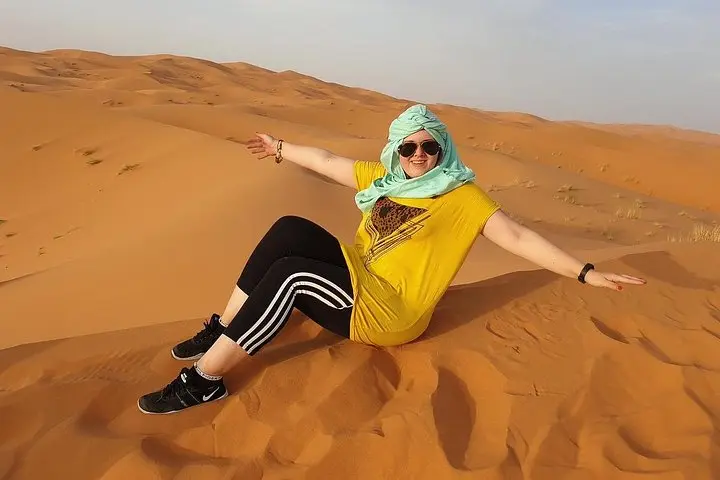
The route follows centuries of caravan tracks: Ait Ben Haddou and Ouarzazate grew where trade routes funneled people and salt, while Rissani still hosts markets that recall trans-Saharan commerce. Geologically, Erg Chebbi is a crescent sea of quartz and feldspar sand—dunes here commonly reach 100–150 meters—shaped by strong northerly winds and occasional rain that hardens dune faces into temporary crusts.
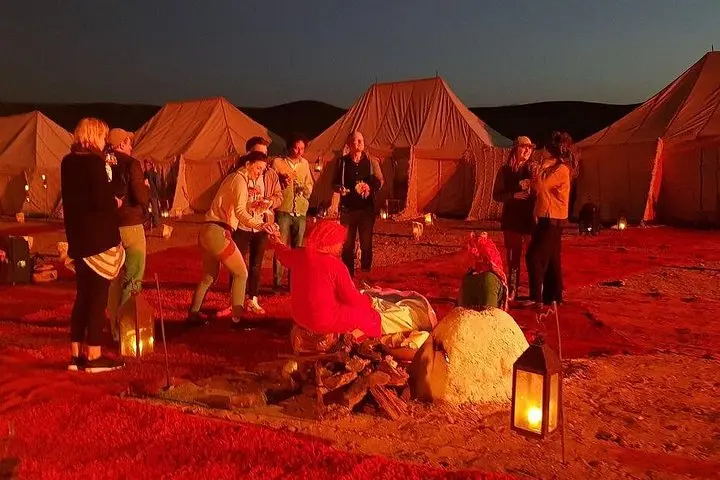
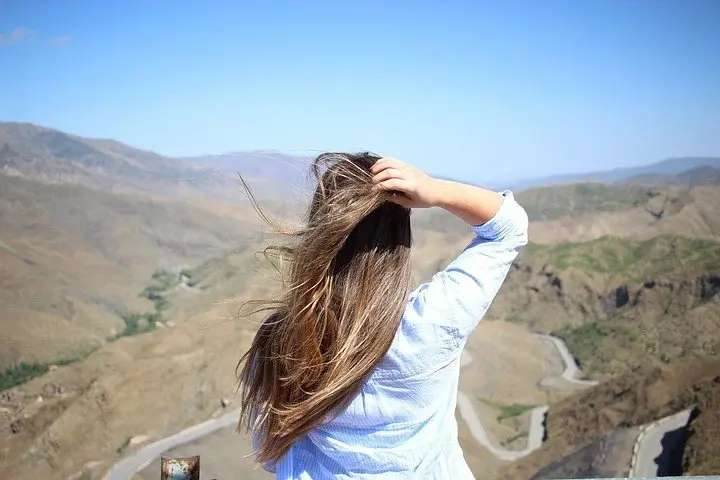
Cultural notes surface around tea and drums; Berber hosts play late into desert nights, and local guides share stories of date harvests in Rissani. Expect rocky passes (Tizi n'Tichka tops ~2,260 m) and narrow, shaded canyons at Todra, mixed with long paved driving sections.
Practical guidance: the tour runs three days and covers roughly 500–600 km round-trip; plan for early starts, sun-intense afternoons and cold desert nights. Bring layered clothing, sun protection, and a refillable water bottle. Camel treks are low-technical but require balance and a readiness for uneven sand steps. Camps provide bedding, food, showers at accommodations on the route, and English/French guides; pickups from Marrakech riads are standard.
Typical sunset camel rides last 1–2 hours each way; riders move at a steady, slow pace across dunes.
You’ll stay in a mix of 4-star hotels and a desert camp; hotels offer showers and bedding, while camps provide mattresses, dinner, and basic facilities.
The operator notes it is not recommended for pregnant travelers; children are allowed but check camel safety measures and comfort with long drives.
Guides commonly speak English and French; some providers also offer Arabic or Berber-language guidance.
Atlas Mountains View operates guided outdoor trips and adventures with an emphasis on safety, stewardship, and memorable experiences.
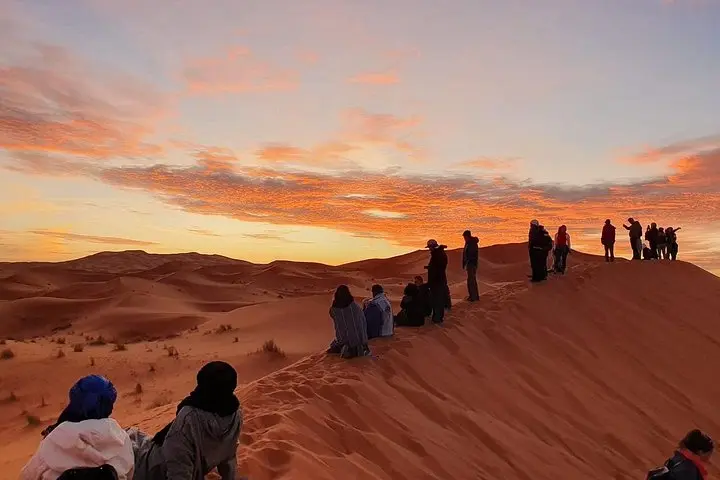
Sun splits the Sahara horizon into gold and shadow as your caravan threads out across Erg Chebbi. Camels pick their way up wind-sculpted ridges while the dunes seem to breathe—rising, sighing, holding heat until night pulls it away. The ride from Marrakech includes a dawn run over the High Atlas, quick stops at red-earth kasbahs and the cinematic Ait Ben Haddou before the landscape opens into rocky plains and the tall, rippling dunes of Merzouga.
Sun splits the Sahara horizon into gold and shadow as your caravan threads out across Erg Chebbi. Camels pick their way up wind-sculpted ridges while the dunes seem to breathe—rising, sighing, holding heat until night pulls it away. The ride from Marrakech includes a dawn run over the High Atlas, quick stops at red-earth kasbahs and the cinematic Ait Ben Haddou before the landscape opens into rocky plains and the tall, rippling dunes of Merzouga.
The route follows centuries of caravan tracks: Ait Ben Haddou and Ouarzazate grew where trade routes funneled people and salt, while Rissani still hosts markets that recall trans-Saharan commerce. Geologically, Erg Chebbi is a crescent sea of quartz and feldspar sand—dunes here commonly reach 100–150 meters—shaped by strong northerly winds and occasional rain that hardens dune faces into temporary crusts.
Cultural notes surface around tea and drums; Berber hosts play late into desert nights, and local guides share stories of date harvests in Rissani. Expect rocky passes (Tizi n'Tichka tops ~2,260 m) and narrow, shaded canyons at Todra, mixed with long paved driving sections.
Practical guidance: the tour runs three days and covers roughly 500–600 km round-trip; plan for early starts, sun-intense afternoons and cold desert nights. Bring layered clothing, sun protection, and a refillable water bottle. Camel treks are low-technical but require balance and a readiness for uneven sand steps. Camps provide bedding, food, showers at accommodations on the route, and English/French guides; pickups from Marrakech riads are standard.