THE ADVENTURE COLLECTIVE® · Independent discovery and booking for outdoor travel

Escape Marrakech for three days and cross the High Atlas to Erg Chebbi, where private camel treks, sandboarding and an overnight Berber tent create a true Sahara experience. This guided tour blends cultural stops, canyon walks and desert nights under vast, clear skies.
Escape Marrakech for three days and cross the High Atlas to Erg Chebbi, where private camel treks, sandboarding and an overnight Berber tent create a true Sahara experience. This guided tour blends cultural stops, canyon walks and desert nights under vast, clear skies.
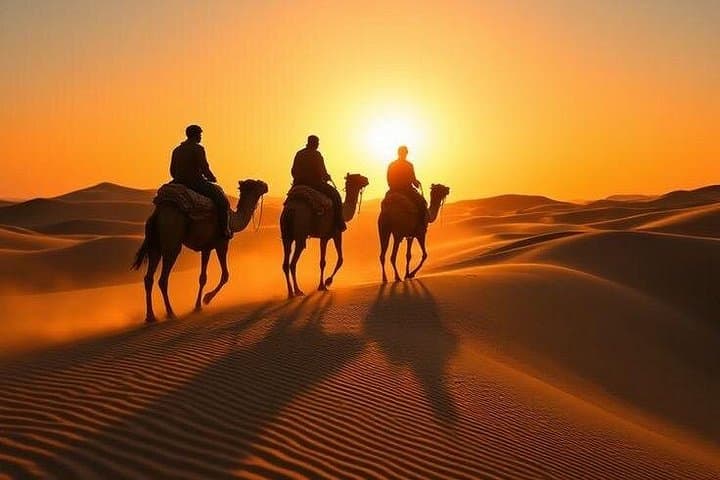
You leave Marrakech before dawn, the city’s heat shrinking behind you as the road climbs the High Atlas. Wind and stone set the tempo: Tizi n’Tichka pass at 2,260 meters gives way to ochre towns, then the Road of 1,000 Kasbahs stretching toward the desert. By late afternoon the dunes of Erg Chebbi appear — a moving ocean of sand that seems to breathe as the sun slides down.
Verified experiences and guided adventures in the surrounding area.
Operated by Mansour Travel Tours · Merzouga, Drâa-Tafilalet
You leave Marrakech before dawn, the city’s heat shrinking behind you as the road climbs the High Atlas. Wind and stone set the tempo: Tizi n’Tichka pass at 2,260 meters gives way to ochre towns, then the Road of 1,000 Kasbahs stretching toward the desert. By late afternoon the dunes of Erg Chebbi appear — a moving ocean of sand that seems to breathe as the sun slides down.
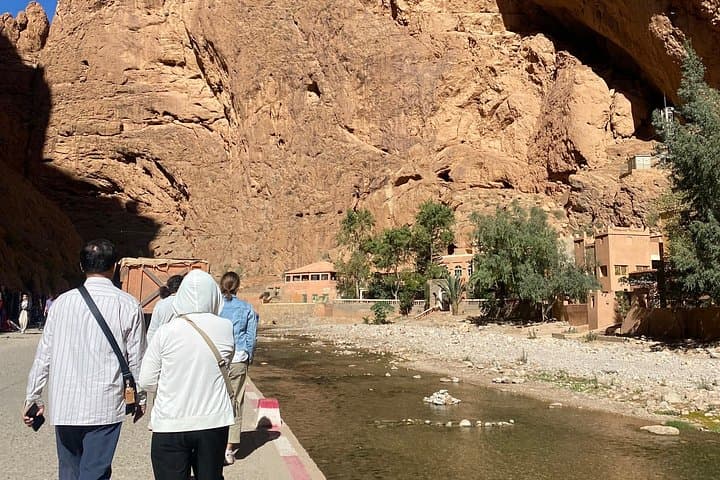
This three-day route threads geography and culture: the 11th‑century earthen fortress of Ait Ben Haddou, the film sets of Ouarzazate, and the red cliffs of Todra Gorge. Geologically, the Sahara here is defined by wind-sculpted erg (dunes) and the fossil-rich limestone and sandstone of the Atlas margins. Culturally you’ll meet Berber hospitality — mint tea, tagine, and campfire drumming — traditions shaped by a life between valley and sand.
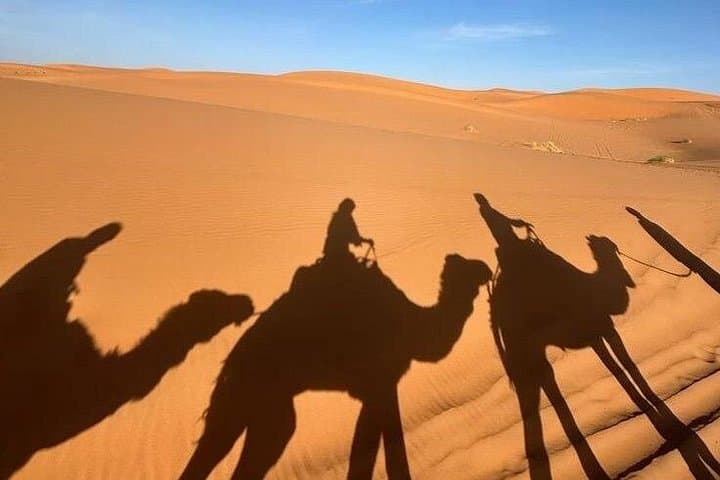
Practical guidance: expect long transfers (Marrakech—Merzouga ~9–10 hours total round trip by road), paved mountain passes and rough desert tracks. Camel treks are steady but bring layered clothing — desert days heat, nights cool — and sun protection for exposed crossings. If you plan sandboarding, wear closed shoes and gaiters; the dunes can be steep and the sand abrasive.
Timing matters: sunrise and sunset on the dunes are the clearest photographic windows. Bring a small daypack for essentials on the camel, keep hydrated (electrolytes recommended), and confirm dietary or mobility needs at booking. The private format gives flexibility to linger at kasbahs or stretch walks into side gullies if you want a quieter, more personal Sahara experience.
Expect roughly 8–10 hours of driving spread over day one and three with stops at the High Atlas, Ait Ben Haddou and Dades or Todra depending on routing.
No special skill is required; camels move at a steady pace and experienced handlers lead the caravan—however, mounting and dismounting can be abrupt, so follow your guide’s instructions.
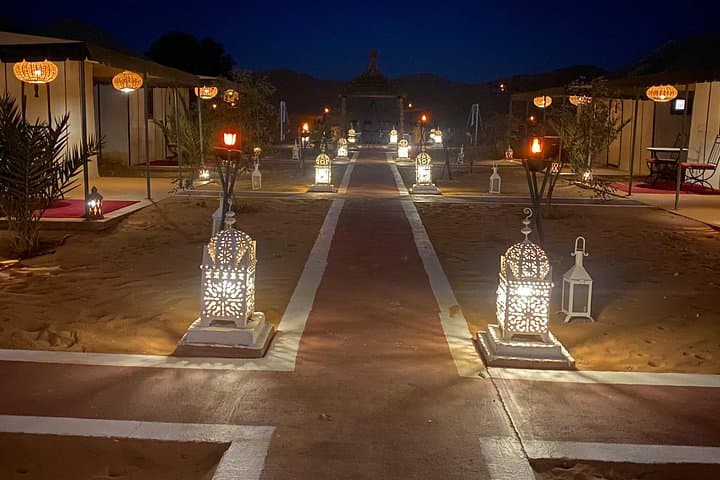
This private tour includes a private Berber-style tent for one night, with bedding provided; facilities are basic but comfortable and dinners are traditional and cooked by camp hosts.
Yes—since the tour is private, inform the operator at booking so they can arrange appropriate meals during guesthouse and camp dinners.
Mansour Travel Tours operates guided outdoor trips and adventures with an emphasis on safety, stewardship, and memorable experiences.
You leave Marrakech before dawn, the city’s heat shrinking behind you as the road climbs the High Atlas. Wind and stone set the tempo: Tizi n’Tichka pass at 2,260 meters gives way to ochre towns, then the Road of 1,000 Kasbahs stretching toward the desert. By late afternoon the dunes of Erg Chebbi appear — a moving ocean of sand that seems to breathe as the sun slides down.
You leave Marrakech before dawn, the city’s heat shrinking behind you as the road climbs the High Atlas. Wind and stone set the tempo: Tizi n’Tichka pass at 2,260 meters gives way to ochre towns, then the Road of 1,000 Kasbahs stretching toward the desert. By late afternoon the dunes of Erg Chebbi appear — a moving ocean of sand that seems to breathe as the sun slides down.
This three-day route threads geography and culture: the 11th‑century earthen fortress of Ait Ben Haddou, the film sets of Ouarzazate, and the red cliffs of Todra Gorge. Geologically, the Sahara here is defined by wind-sculpted erg (dunes) and the fossil-rich limestone and sandstone of the Atlas margins. Culturally you’ll meet Berber hospitality — mint tea, tagine, and campfire drumming — traditions shaped by a life between valley and sand.
Practical guidance: expect long transfers (Marrakech—Merzouga ~9–10 hours total round trip by road), paved mountain passes and rough desert tracks. Camel treks are steady but bring layered clothing — desert days heat, nights cool — and sun protection for exposed crossings. If you plan sandboarding, wear closed shoes and gaiters; the dunes can be steep and the sand abrasive.
Timing matters: sunrise and sunset on the dunes are the clearest photographic windows. Bring a small daypack for essentials on the camel, keep hydrated (electrolytes recommended), and confirm dietary or mobility needs at booking. The private format gives flexibility to linger at kasbahs or stretch walks into side gullies if you want a quieter, more personal Sahara experience.