THE ADVENTURE COLLECTIVE® · Independent discovery and booking for outdoor travel

Trace ancient caravan paths from Marrakech to the towering Erg Chebbi dunes on a 3-day desert escape. Ride camels at sunset, sleep under the stars in a Berber camp, and explore kasbahs and gorges on the route back.
Trace ancient caravan paths from Marrakech to the towering Erg Chebbi dunes on a 3-day desert escape. Ride camels at sunset, sleep under the stars in a Berber camp, and explore kasbahs and gorges on the route back.
The sun lowers like a slow coin into the dunes as a caravan of camels threads the crest of Erg Chebbi. Sand breathes around your boots; each ridge catches light and then gives it back, and a silence thick with stars settles over the camp.
Verified experiences and guided adventures in the surrounding area.
Operated by Ando Travel SARL · Merzouga, Drâa-Tafilalet
The sun lowers like a slow coin into the dunes as a caravan of camels threads the crest of Erg Chebbi. Sand breathes around your boots; each ridge catches light and then gives it back, and a silence thick with stars settles over the camp.
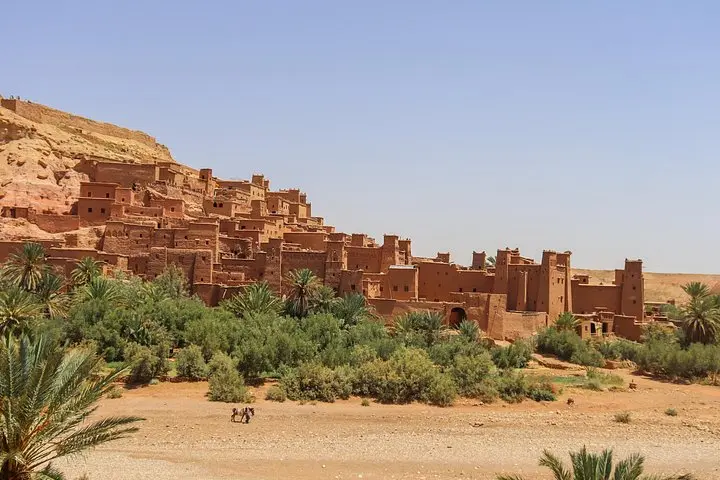
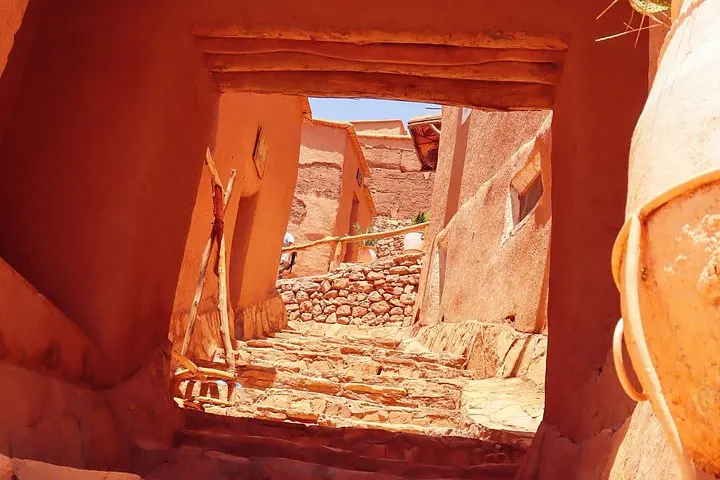
This 3-day loop from Marrakech follows ancient trading routes across the High Atlas, stopping at the rammed-earth kasbahs of Ait Ben Haddou and the palm-lined Draa valley before the desert opens. Geologically, Erg Chebbi is a field of large sand dunes—wind-sculpted star and crescent forms that shift seasonally—while nearby Erfoud is renowned for fossil-rich limestone. Culturally, nights at a desert camp introduce Berber music and storytelling; daytime brings local guides who read wind patterns like maps.
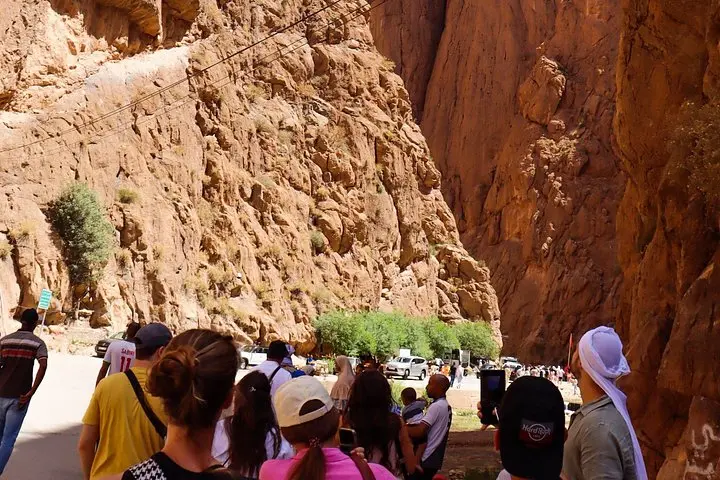
Expect long road sections broken by targeted stops: fortress towns, Todra Gorge’s narrow limestone walls, and the Tafilalt oasis with its traditional khetaras (irrigation channels). Camel treks—usually at sunset and sunrise—are gentle but require balance for mounting and dismounting; sandboarding is an optional burst of adrenaline on soft slopes.
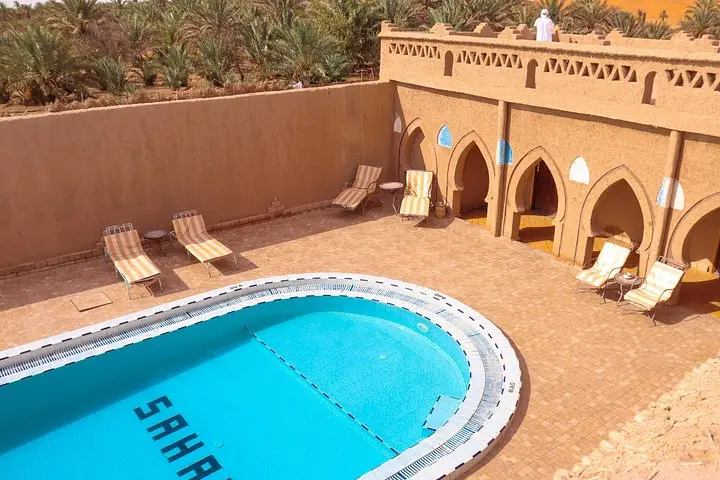
Practical notes: plan for variable temperatures (hot days, cold nights), intermittent mobile signal, and dusty conditions. Hydrate frequently and protect skin and eyes from sun and sand. Transfers use air-conditioned 4x4s or minivans; the schedule includes two nights’ accommodation—one in an auberge with A/C and one in a desert tent—and packaged meals. For first-time desert travelers, travel light, pack layers, and allow the pace of the landscape to slow you down.
The overland route covers roughly 500–600 km with mountain passes and stops; scheduled breaks make travel comfortable but expect several hours of driving across multiple days.
Yes—local handlers lead camels and the pace is slow; basic balance is helpful, and guides assist with mounting and dismounting.
One night is in an ensuite auberge with A/C and the desert night is in a private tent at a camp; options may include upgraded luxury tents depending on booking.
Infants and small children can participate, but the trip is not recommended for travelers with serious spinal or cardiovascular conditions due to camel movement and long drives.
Ando Travel SARL operates guided outdoor trips and adventures with an emphasis on safety, stewardship, and memorable experiences.
The sun lowers like a slow coin into the dunes as a caravan of camels threads the crest of Erg Chebbi. Sand breathes around your boots; each ridge catches light and then gives it back, and a silence thick with stars settles over the camp.
The sun lowers like a slow coin into the dunes as a caravan of camels threads the crest of Erg Chebbi. Sand breathes around your boots; each ridge catches light and then gives it back, and a silence thick with stars settles over the camp.
This 3-day loop from Marrakech follows ancient trading routes across the High Atlas, stopping at the rammed-earth kasbahs of Ait Ben Haddou and the palm-lined Draa valley before the desert opens. Geologically, Erg Chebbi is a field of large sand dunes—wind-sculpted star and crescent forms that shift seasonally—while nearby Erfoud is renowned for fossil-rich limestone. Culturally, nights at a desert camp introduce Berber music and storytelling; daytime brings local guides who read wind patterns like maps.
Expect long road sections broken by targeted stops: fortress towns, Todra Gorge’s narrow limestone walls, and the Tafilalt oasis with its traditional khetaras (irrigation channels). Camel treks—usually at sunset and sunrise—are gentle but require balance for mounting and dismounting; sandboarding is an optional burst of adrenaline on soft slopes.
Practical notes: plan for variable temperatures (hot days, cold nights), intermittent mobile signal, and dusty conditions. Hydrate frequently and protect skin and eyes from sun and sand. Transfers use air-conditioned 4x4s or minivans; the schedule includes two nights’ accommodation—one in an auberge with A/C and one in a desert tent—and packaged meals. For first-time desert travelers, travel light, pack layers, and allow the pace of the landscape to slow you down.