THE ADVENTURE COLLECTIVE® · Independent discovery and booking for outdoor travel

Cross the High Atlas into the Sahara on a four-day journey from Marrakech to Merzouga. Expect switchback passes, kasbah stops, Todra Gorge, camel rides and two nights under Berber tents in Erg Chebbi.
Cross the High Atlas into the Sahara on a four-day journey from Marrakech to Merzouga. Expect switchback passes, kasbah stops, Todra Gorge, camel rides and two nights under Berber tents in Erg Chebbi.
Dawn in Marrakech, and the road unwinds like a ribbon through the High Atlas — switchbacks climbing to the Tizi n’Tichka pass (about 2,260 m) where cold wind pushes at the vehicle and the mountains open into villages of stone and flat roofs. Over the next four days you move from rust-red kasbahs and the UNESCO site of Ait Ben Haddou to the palm-lined Dades and Todra gorges, then into the slow, wind-sculpted world of Erg Chebbi where dunes climb 100–150 m and the sand almost dares you to walk higher.
Verified experiences and guided adventures in the surrounding area.
Operated by Discover sahara tours · Merzouga, Drâa-Tafilalet
Dawn in Marrakech, and the road unwinds like a ribbon through the High Atlas — switchbacks climbing to the Tizi n’Tichka pass (about 2,260 m) where cold wind pushes at the vehicle and the mountains open into villages of stone and flat roofs. Over the next four days you move from rust-red kasbahs and the UNESCO site of Ait Ben Haddou to the palm-lined Dades and Todra gorges, then into the slow, wind-sculpted world of Erg Chebbi where dunes climb 100–150 m and the sand almost dares you to walk higher.
This route follows old caravan corridors between Marrakech and eastern Saharan outposts; you’ll encounter Berber kasbah architecture, fossil-rich plateaus near Erfoud, and nomadic traditions that still center daily life around water and camel transport. Geologically, the landscape shifts from folded Precambrian and Mesozoic strata in the High Atlas to aeolian dunes shaped by persistent northeasterly winds.
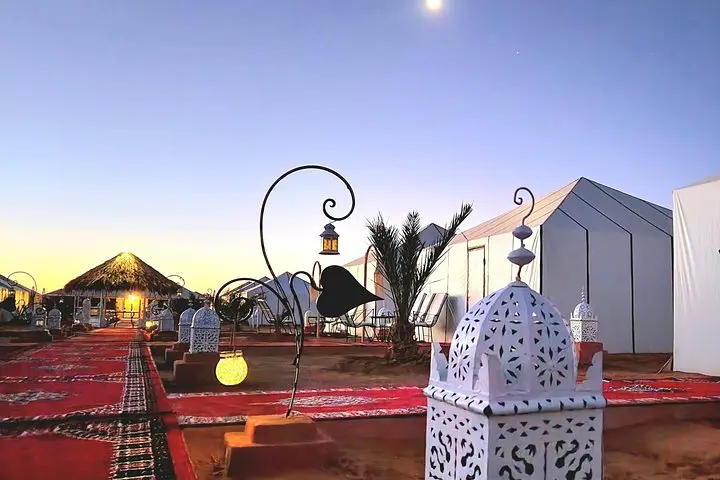
Expect long driving legs (total roughly 10–12 hours of road time spread over days), short hikes, a sunset climb on the dunes, camel transfers, and nights in a mix of local hotels and traditional Berber tents. Sandboarding and optional quad rides are available.
Practical pointers: carry 3–4 L water, sun protection, layers for cold desert nights, sturdy closed shoes for traversing gullies and dune slopes, and plan early starts for cooler travel and better light. Respect private and nomadic lands, accept local hospitality with modesty, and tip guides for cultural exchange. This itinerary balances motion and stillness — you’ll return with desert light in your head and a clearer sense of the Atlas-to-Sahara corridor.
Expect roughly 9–11 hours of driving total over two days, split with stops at Tizi n’Tichka, Ait Ben Haddou and the Dades/Todra valleys.
Berber camps offer basic but comfortable tents with bedding; in summer an alternative hotel night near the dunes is often used for air conditioning.
Camel rides are low-impact and guided; riders should be steady on their feet and follow the handler’s instructions for mounting and dismounting.
Yes — many operators offer optional quad or 4x4 excursions in Erg Chebbi; check availability and age/insurance restrictions before booking.
Discover sahara tours operates guided outdoor trips and adventures with an emphasis on safety, stewardship, and memorable experiences.
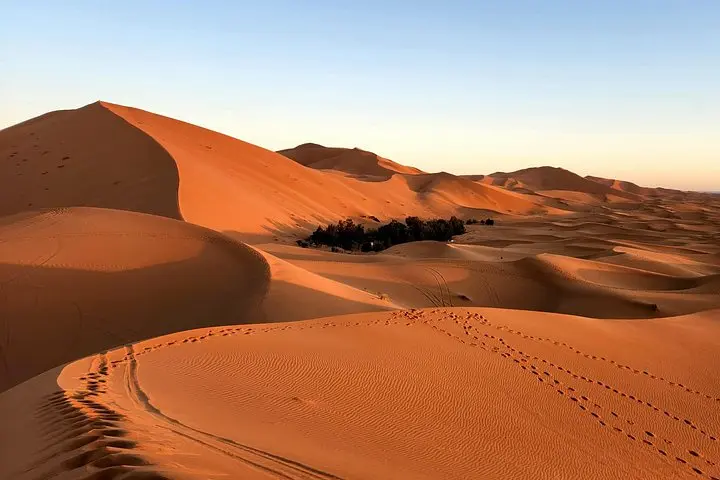
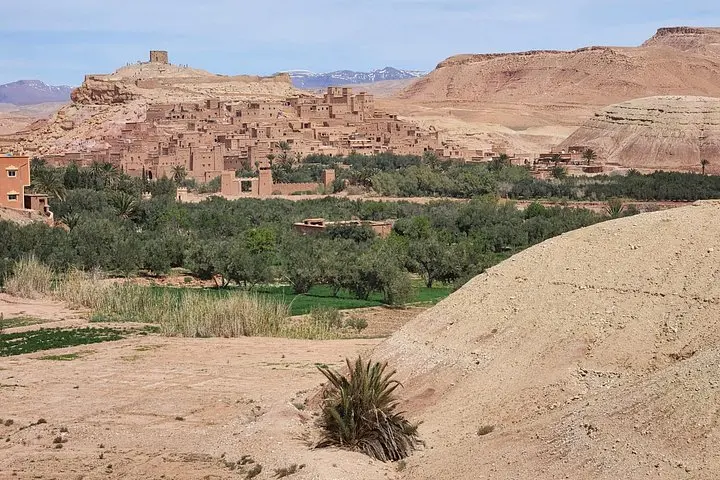
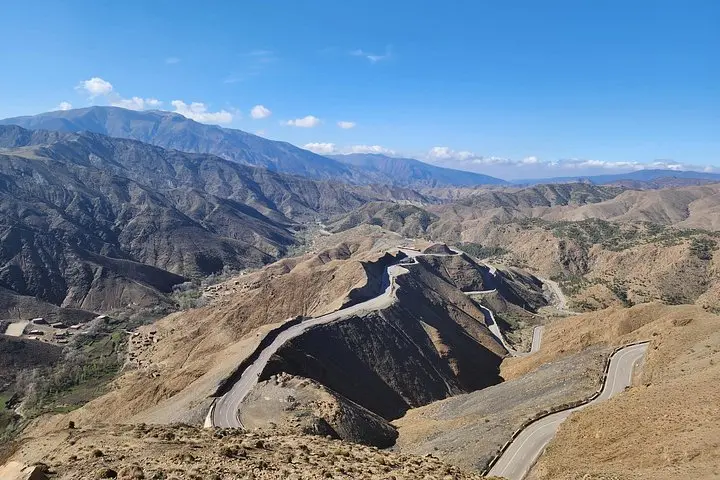
Dawn in Marrakech, and the road unwinds like a ribbon through the High Atlas — switchbacks climbing to the Tizi n’Tichka pass (about 2,260 m) where cold wind pushes at the vehicle and the mountains open into villages of stone and flat roofs. Over the next four days you move from rust-red kasbahs and the UNESCO site of Ait Ben Haddou to the palm-lined Dades and Todra gorges, then into the slow, wind-sculpted world of Erg Chebbi where dunes climb 100–150 m and the sand almost dares you to walk higher.
Dawn in Marrakech, and the road unwinds like a ribbon through the High Atlas — switchbacks climbing to the Tizi n’Tichka pass (about 2,260 m) where cold wind pushes at the vehicle and the mountains open into villages of stone and flat roofs. Over the next four days you move from rust-red kasbahs and the UNESCO site of Ait Ben Haddou to the palm-lined Dades and Todra gorges, then into the slow, wind-sculpted world of Erg Chebbi where dunes climb 100–150 m and the sand almost dares you to walk higher.
This route follows old caravan corridors between Marrakech and eastern Saharan outposts; you’ll encounter Berber kasbah architecture, fossil-rich plateaus near Erfoud, and nomadic traditions that still center daily life around water and camel transport. Geologically, the landscape shifts from folded Precambrian and Mesozoic strata in the High Atlas to aeolian dunes shaped by persistent northeasterly winds.
Expect long driving legs (total roughly 10–12 hours of road time spread over days), short hikes, a sunset climb on the dunes, camel transfers, and nights in a mix of local hotels and traditional Berber tents. Sandboarding and optional quad rides are available.
Practical pointers: carry 3–4 L water, sun protection, layers for cold desert nights, sturdy closed shoes for traversing gullies and dune slopes, and plan early starts for cooler travel and better light. Respect private and nomadic lands, accept local hospitality with modesty, and tip guides for cultural exchange. This itinerary balances motion and stillness — you’ll return with desert light in your head and a clearer sense of the Atlas-to-Sahara corridor.