THE ADVENTURE COLLECTIVE® · Independent discovery and booking for outdoor travel
Drive over the High Atlas, walk through ksars and gorges, then spend a night under the stars in a Berber camp on Erg Chebbi. This private 3-day route balances cultural stops with a classic Merzouga camel trek and dune experience.
Drive over the High Atlas, walk through ksars and gorges, then spend a night under the stars in a Berber camp on Erg Chebbi. This private 3-day route balances cultural stops with a classic Merzouga camel trek and dune experience.
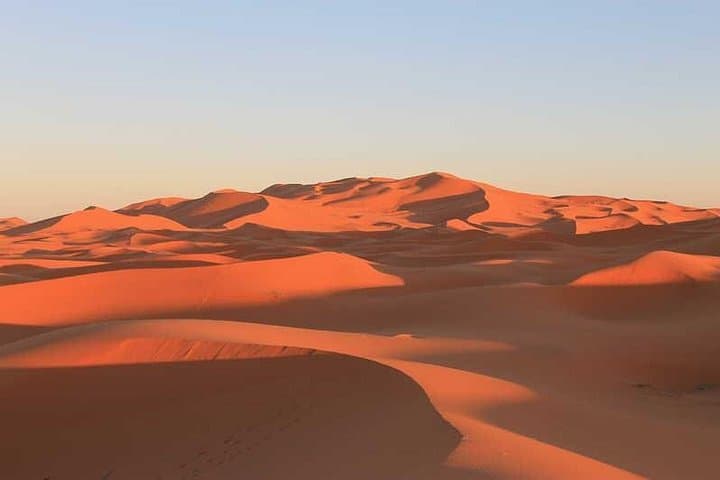
At dawn the High Atlas spits you out into a different planet: ochre roads unwind through stony passes, towns squat against red earth, and the wind begins to smell of dust and heat. By late afternoon Erg Chebbi’s dunes rise like waves — a living landscape that dares you to climb and listen.
Verified experiences and guided adventures in the surrounding area.
Operated by Is Time Tours · Merzouga, Drâa-Tafilalet
At dawn the High Atlas spits you out into a different planet: ochre roads unwind through stony passes, towns squat against red earth, and the wind begins to smell of dust and heat. By late afternoon Erg Chebbi’s dunes rise like waves — a living landscape that dares you to climb and listen.
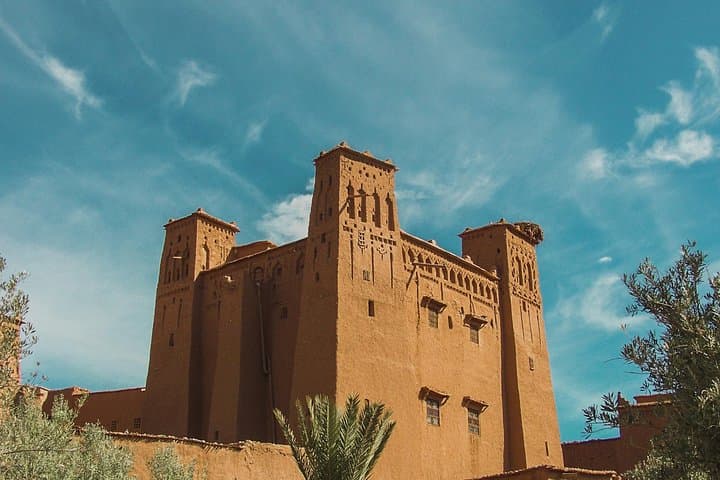
This private 3-day loop typically follows the Tizi n’Tichka pass (about 2,260 m), passes Aït Benhaddou’s UNESCO ksar and Ouarzazate’s film studios, then threads the Dades and Todra gorges before arriving in Merzouga. Geologically the Erg Chebbi field is a wind-sculpted sea of sand with dunes reaching roughly 100–150 m high; beneath the sand lie ancient riverbeds and fossil-rich limestone near Erfoud.
Culturally the route is Berber country: you’ll encounter ksars, kasbah ruins, Gnawa music in small villages and camel caravans still used for local work. History here ties to trans-Saharan trade routes and a layered mix of Amazigh (Berber) and Arab influences.
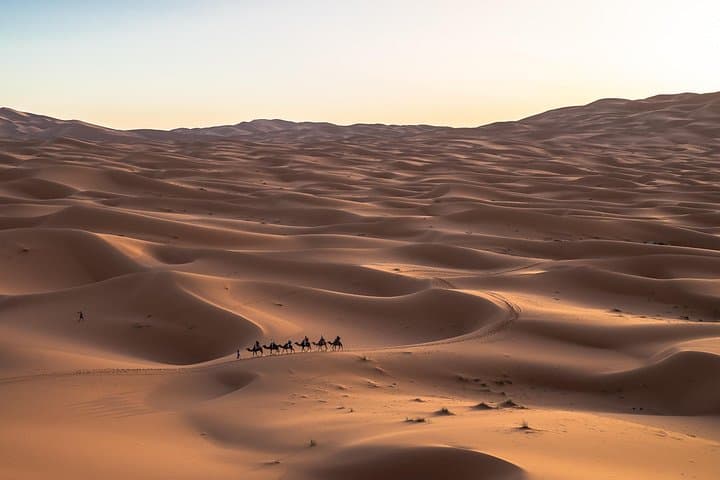
Practically, expect long drives (each leg from Marrakech can be 8–10 hours if direct), paved mountain roads, and soft-sand tracks near the erg. The overnight in a Berber desert camp involves a short camel ride to the campsite, simple tents or bivouacs, communal meals, and basic facilities.
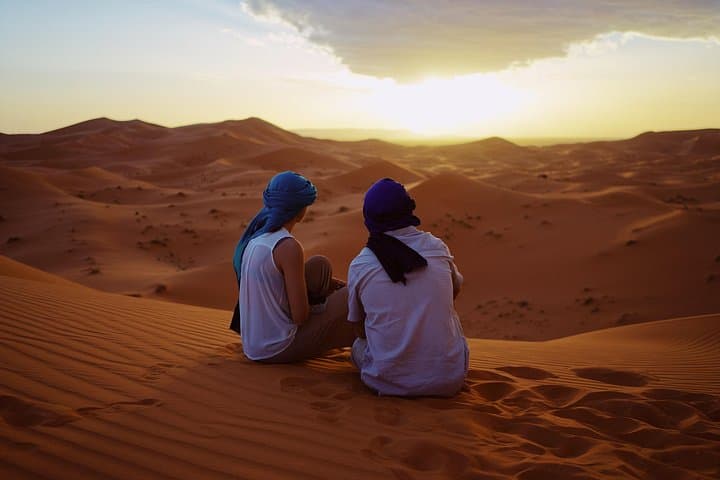
Bring sun protection, warm layers for night (desert temperatures drop sharply), and water. If you want quieter moments, rise before sunrise and let the dunes show their scale in golden light — the climb rewards both fitness and patience.
Expect roughly 8–10 hours of driving depending on stops and road conditions; tours typically split the journey over two days with overnight stops en route.
Camps offer basic insulated tents or stone shelters with mattress and blankets; facilities vary from simple shared tenting to private tent options—check the provider for specifics.
Camel rides are low-impact but riding requires balance; camel saddles are relatively soft and treks across dunes are slow-paced with occasional short walks on sand.
Most private tour packages include communal Moroccan meals at camps and guesthouses; food is typically prepared fresh—notify operators of dietary needs in advance.
Is Time Tours operates guided outdoor trips and adventures with an emphasis on safety, stewardship, and memorable experiences.
At dawn the High Atlas spits you out into a different planet: ochre roads unwind through stony passes, towns squat against red earth, and the wind begins to smell of dust and heat. By late afternoon Erg Chebbi’s dunes rise like waves — a living landscape that dares you to climb and listen.
At dawn the High Atlas spits you out into a different planet: ochre roads unwind through stony passes, towns squat against red earth, and the wind begins to smell of dust and heat. By late afternoon Erg Chebbi’s dunes rise like waves — a living landscape that dares you to climb and listen.
This private 3-day loop typically follows the Tizi n’Tichka pass (about 2,260 m), passes Aït Benhaddou’s UNESCO ksar and Ouarzazate’s film studios, then threads the Dades and Todra gorges before arriving in Merzouga. Geologically the Erg Chebbi field is a wind-sculpted sea of sand with dunes reaching roughly 100–150 m high; beneath the sand lie ancient riverbeds and fossil-rich limestone near Erfoud.
Culturally the route is Berber country: you’ll encounter ksars, kasbah ruins, Gnawa music in small villages and camel caravans still used for local work. History here ties to trans-Saharan trade routes and a layered mix of Amazigh (Berber) and Arab influences.
Practically, expect long drives (each leg from Marrakech can be 8–10 hours if direct), paved mountain roads, and soft-sand tracks near the erg. The overnight in a Berber desert camp involves a short camel ride to the campsite, simple tents or bivouacs, communal meals, and basic facilities.
Bring sun protection, warm layers for night (desert temperatures drop sharply), and water. If you want quieter moments, rise before sunrise and let the dunes show their scale in golden light — the climb rewards both fitness and patience.
