THE ADVENTURE COLLECTIVE® · Independent discovery and booking for outdoor travel

Leave Marrakech for a full-day crossing of the High Atlas to Ouarzazate, passing Tizi n’Tichka, touring the 11th-century Aït Benhaddou and a short camel trek. Expect long driving stretches, photo stops and rugged, historic landscapes.
Leave Marrakech for a full-day crossing of the High Atlas to Ouarzazate, passing Tizi n’Tichka, touring the 11th-century Aït Benhaddou and a short camel trek. Expect long driving stretches, photo stops and rugged, historic landscapes.
Morning light splits Marrakech as your vehicle slips out of the city and into the Atlas — a long ribbon of road that climbs, curves and reveals different Morocco with every kilometer.
Verified experiences and guided adventures in the surrounding area.
Operated by Maroc Tour Excursion · Ouarzazate, Drâa-Tafilalet
Morning light splits Marrakech as your vehicle slips out of the city and into the Atlas — a long ribbon of road that climbs, curves and reveals different Morocco with every kilometer.
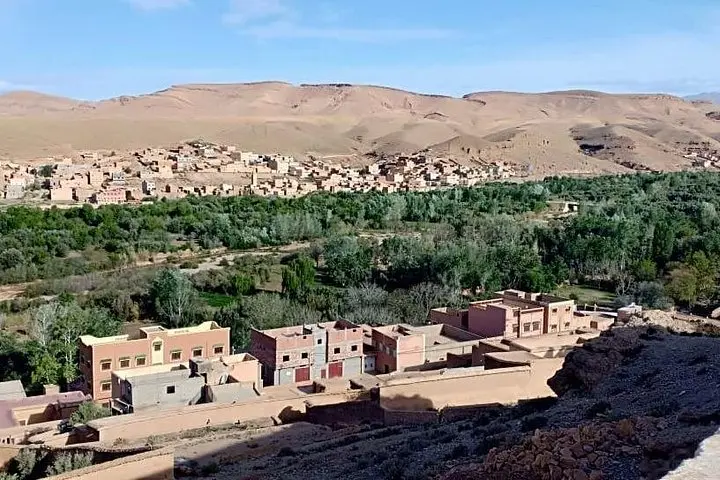
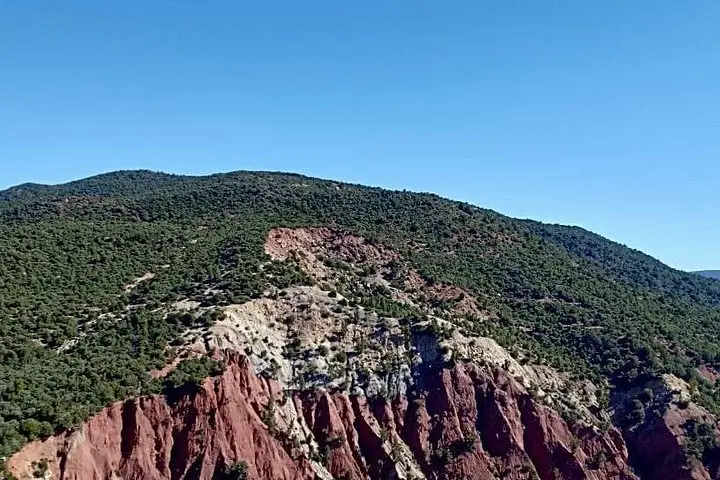
By midmorning you cross Tizi n’Tichka, the highest paved pass in the range, where wind-polished rock and terraced fields give way to ochre plateaus. The drive is the point: shepherds herd flocks along narrow lanes, villages sit like stacked adobe blocks on hillsides, and the landscape feels actively lived-in rather than staged.
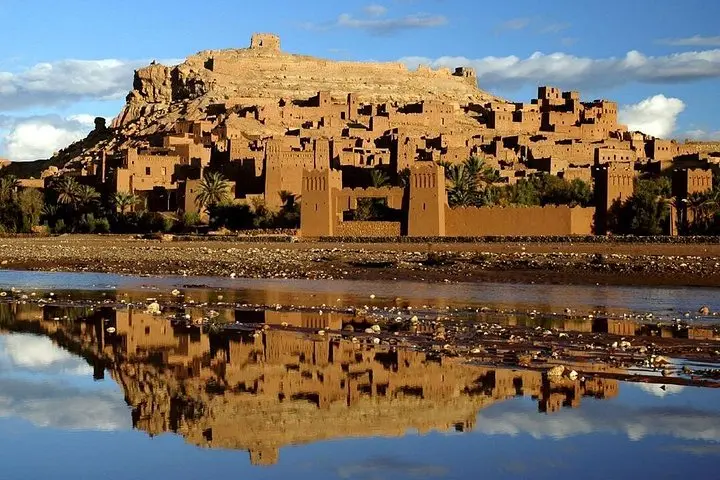
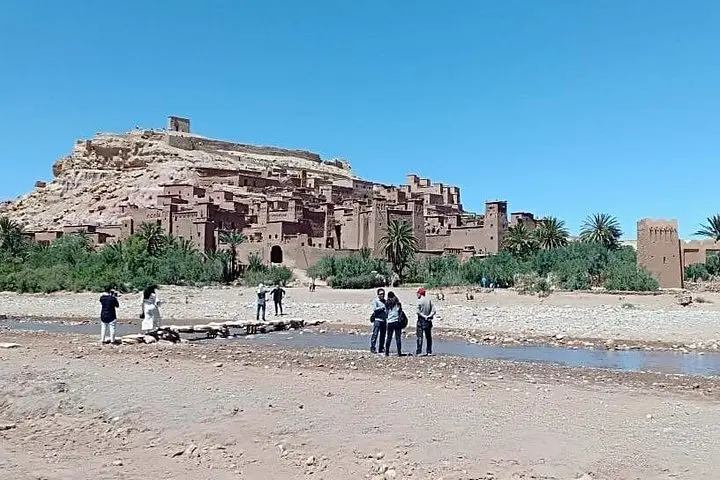
Aït Benhaddou, an 11th-century ksar and UNESCO site, anchors the route. Its earthen walls, crenellated towers and a narrow river below tell stories of caravan trade and film crews; the kasbah also illustrates southern Morocco’s mud-brick architecture and defensive settlement patterns. Nearby Ouarzazate grew as a film and administrative hub, its kasbahs and studio lots a modern layer atop older Berber culture.
Expect short walking stints on uneven paths, a gentle camel trek over palm-ringed sand, and time to explore fortified lanes. The day is long — roughly 10–11 hours including driving — so plan for sustained comfort, sun management, and hydration. Footwear should handle loose stone and cobbles; layers are useful as mountain air can be brisk at the pass and hot on the plains.
Practical tip: departures typically start early from Marrakech, with return after dusk. Carry cash for entrance fees or local purchases, confirm any inclusions like lunch and museum entry ahead of time, and leave room in your schedule — this is a road trip where the stops are the reward.
The round-trip day excursion is roughly 10–11 hours door-to-door, with about 3–4 hours of driving each way depending on stops and traffic.
No—camel treks on this route are short and gentle, suitable for most travelers though those with severe back issues should take caution.
Itineraries often include photo stops and guided visits, but admission fees can vary—confirm at booking and carry small local currency.
Yes—most operators provide pickup from central riads and hotels in Marrakech; your pickup point is confirmed during booking.
Maroc Tour Excursion operates guided outdoor trips and adventures with an emphasis on safety, stewardship, and memorable experiences.
Morning light splits Marrakech as your vehicle slips out of the city and into the Atlas — a long ribbon of road that climbs, curves and reveals different Morocco with every kilometer.
Morning light splits Marrakech as your vehicle slips out of the city and into the Atlas — a long ribbon of road that climbs, curves and reveals different Morocco with every kilometer.
By midmorning you cross Tizi n’Tichka, the highest paved pass in the range, where wind-polished rock and terraced fields give way to ochre plateaus. The drive is the point: shepherds herd flocks along narrow lanes, villages sit like stacked adobe blocks on hillsides, and the landscape feels actively lived-in rather than staged.
Aït Benhaddou, an 11th-century ksar and UNESCO site, anchors the route. Its earthen walls, crenellated towers and a narrow river below tell stories of caravan trade and film crews; the kasbah also illustrates southern Morocco’s mud-brick architecture and defensive settlement patterns. Nearby Ouarzazate grew as a film and administrative hub, its kasbahs and studio lots a modern layer atop older Berber culture.
Expect short walking stints on uneven paths, a gentle camel trek over palm-ringed sand, and time to explore fortified lanes. The day is long — roughly 10–11 hours including driving — so plan for sustained comfort, sun management, and hydration. Footwear should handle loose stone and cobbles; layers are useful as mountain air can be brisk at the pass and hot on the plains.
Practical tip: departures typically start early from Marrakech, with return after dusk. Carry cash for entrance fees or local purchases, confirm any inclusions like lunch and museum entry ahead of time, and leave room in your schedule — this is a road trip where the stops are the reward.