THE ADVENTURE COLLECTIVE® · Independent discovery and booking for outdoor travel

Escape Marrakech for a full-day journey into the High Atlas: camel ride across valley slopes, a guided visit to a Berber village, and traditional mountain meals. This accessible trip blends easy walking, scenic drives, and cultural encounters for a compact mountain experience.
Escape Marrakech for a full-day journey into the High Atlas: camel ride across valley slopes, a guided visit to a Berber village, and traditional mountain meals. This accessible trip blends easy walking, scenic drives, and cultural encounters for a compact mountain experience.
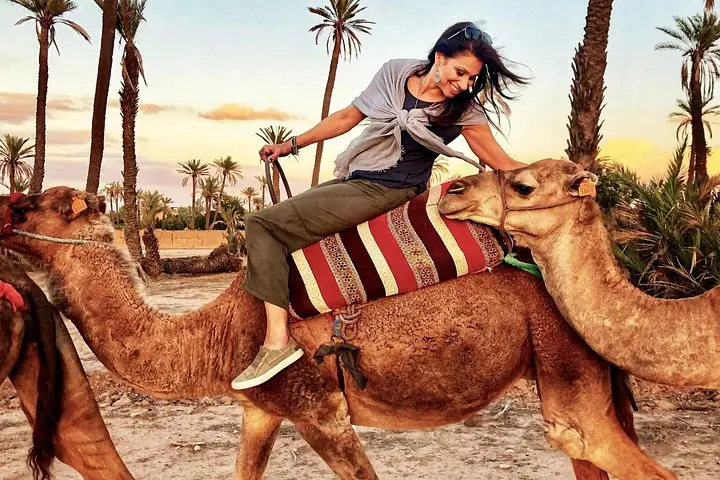
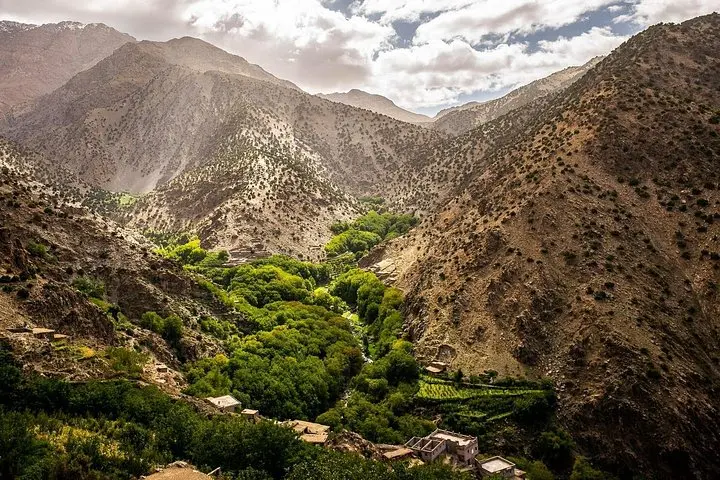
You leave Marrakech behind as the city’s ochre roofs shrink and the road steepens. By mid-morning the air carries pine resin and cool dust; the High Atlas rises like a folded map, ridgelines catching light. A driver drops you at a low ridge where camels wait—stoic and patient—and the valley below unfurls into terraced fields, stone houses, and a patchwork of earthen paths.
Verified experiences and guided adventures in the surrounding area.
Operated by Tours Excursions Journeys · Marrakech, Marrakech-Safi
You leave Marrakech behind as the city’s ochre roofs shrink and the road steepens. By mid-morning the air carries pine resin and cool dust; the High Atlas rises like a folded map, ridgelines catching light. A driver drops you at a low ridge where camels wait—stoic and patient—and the valley below unfurls into terraced fields, stone houses, and a patchwork of earthen paths.
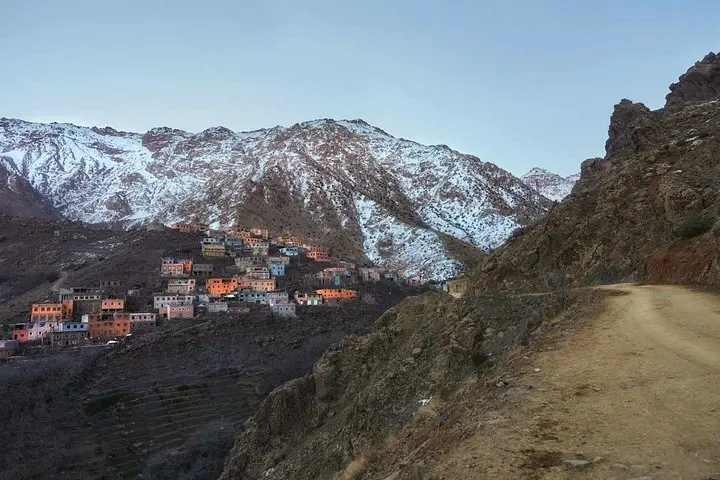
The High Atlas is geologically young and rugged: uplifted limestone and schist carved by seasonal torrents. The communities here are Amazigh (Berber), with a living culture of terraced agriculture, guesthouses, and mountain crafts that date back centuries along old caravan routes linking Marrakech to the Sahara and Atlantic trade lines.
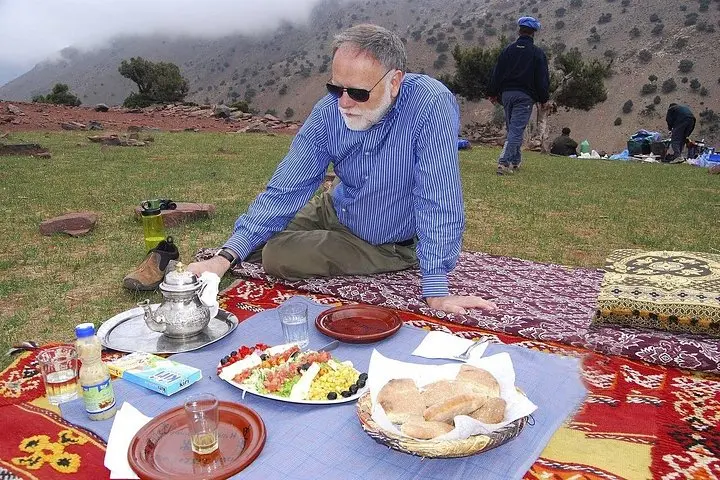
Expect short guided walks through a traditional village, a relaxed camel trek across gentle slopes, and a long, convivial lunch of tagine and flatbread at a mountain restaurant. Guides often explain local irrigation (khettara) and introduce family-run olive presses or rooftop tea rituals.
Practicalities: the full-day itinerary runs about 9–11 hours with hotel pickup and drop-off in Marrakech. Trails are generally easy but uneven—sturdy shoes and sun protection matter. Water, a light layer for afternoon breeze, and a willingness to move at a local pace will make the day smoother. Photography is welcome but ask before photographing people. Evening returns to Marrakech usually include a shared dinner and live music at a local spot—an easy, culture-rich way to finish a mountain day.
The full-day tour runs about 9–11 hours including round-trip hotel transport, stops, lunch, and the camel ride.
Yes—camel rides are typically slow and short; infants should sit on laps and providers often note stroller accessibility.
Bring local dirhams for tips, small purchases, and souvenirs; major card payments may not be accepted in small mountain restaurants.
Day trips to the Atlas typically stay below high-altitude thresholds, but if you’re sensitive to altitude, consult your guide and pace yourself during walks.
Tours Excursions Journeys operates guided outdoor trips and adventures with an emphasis on safety, stewardship, and memorable experiences.
You leave Marrakech behind as the city’s ochre roofs shrink and the road steepens. By mid-morning the air carries pine resin and cool dust; the High Atlas rises like a folded map, ridgelines catching light. A driver drops you at a low ridge where camels wait—stoic and patient—and the valley below unfurls into terraced fields, stone houses, and a patchwork of earthen paths.
You leave Marrakech behind as the city’s ochre roofs shrink and the road steepens. By mid-morning the air carries pine resin and cool dust; the High Atlas rises like a folded map, ridgelines catching light. A driver drops you at a low ridge where camels wait—stoic and patient—and the valley below unfurls into terraced fields, stone houses, and a patchwork of earthen paths.
The High Atlas is geologically young and rugged: uplifted limestone and schist carved by seasonal torrents. The communities here are Amazigh (Berber), with a living culture of terraced agriculture, guesthouses, and mountain crafts that date back centuries along old caravan routes linking Marrakech to the Sahara and Atlantic trade lines.
Expect short guided walks through a traditional village, a relaxed camel trek across gentle slopes, and a long, convivial lunch of tagine and flatbread at a mountain restaurant. Guides often explain local irrigation (khettara) and introduce family-run olive presses or rooftop tea rituals.
Practicalities: the full-day itinerary runs about 9–11 hours with hotel pickup and drop-off in Marrakech. Trails are generally easy but uneven—sturdy shoes and sun protection matter. Water, a light layer for afternoon breeze, and a willingness to move at a local pace will make the day smoother. Photography is welcome but ask before photographing people. Evening returns to Marrakech usually include a shared dinner and live music at a local spot—an easy, culture-rich way to finish a mountain day.