THE ADVENTURE COLLECTIVE® · Independent discovery and booking for outdoor travel

Leave Marrakech behind for a full day in the High Atlas—three valleys, an argan oil cooperative, a camel ride and a guided walk through Berber villages capped by a home‑cooked lunch. This accessible trip pairs short mountain walks with cultural stops.
Leave Marrakech behind for a full day in the High Atlas—three valleys, an argan oil cooperative, a camel ride and a guided walk through Berber villages capped by a home‑cooked lunch. This accessible trip pairs short mountain walks with cultural stops.
Morning light breaks over Marrakech and the city’s mosaic of rooftops shrinks behind you as the minivan climbs toward the High Atlas. The road snakes through argan scrub and Juniper stands; soon you’re in Asni Valley at roughly 1,000 m, where a camel waits to carry you across the river and scrubland that push at the valley margins.
Verified experiences and guided adventures in the surrounding area.
Operated by Marrakech Outdoor Trips · Marrakech, Marrakech-Safi
Morning light breaks over Marrakech and the city’s mosaic of rooftops shrinks behind you as the minivan climbs toward the High Atlas. The road snakes through argan scrub and Juniper stands; soon you’re in Asni Valley at roughly 1,000 m, where a camel waits to carry you across the river and scrubland that push at the valley margins.
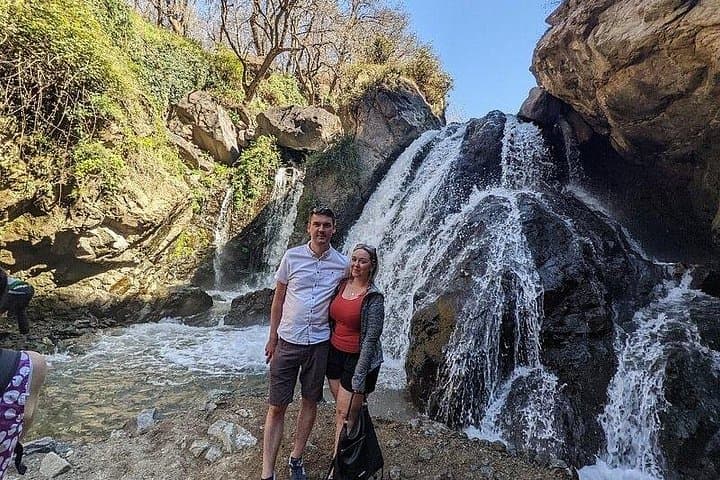
This day trip threads together living Berber communities, a traditional argan oil cooperative and a 1.5‑hour guided walk through Imlil valley—an entry point to the High Atlas foothills. Geologically, the range is young and rugged: granite and metamorphic outcrops tilt and fracture, feeding narrow streams that carve small waterfalls and terraces below the villages. Culturally, the route highlights local hospitality — expect a home‑cooked lunch in a Berber house and small‑scale commerce at market stalls (notably on Tuesdays and Saturdays).
The hike itself is short but real: plan for uneven stone tracks, stair-like switchbacks and a net elevation change commonly between 150–400 m depending on the route. It’s an accessible introduction to mountain walking rather than technical mountaineering, with options for mule or camel rides for lower‑impact travel.
Practical guidance: wear sturdy shoes, carry 1.5–2 L water, sun protection and a midlayer for wind at higher elevations. Timing matters—start early to avoid hot afternoon sun and allow time for market stops, the argan co‑op and the village lunch. Respect private homes, follow your guide on narrow trails, and bring cash for small purchases.
Yes; the operator picks guests up from accommodations or an agreed meeting point in Marrakech at about 09:00.
The guided walk is typically 1.5 hours with moderate, uneven terrain and short climbs; it’s accessible to most people who can walk for up to two hours.
Lunch and a camel ride are included in the tour price; local market visits and the argan co‑op are part of the itinerary.
Yes; mules are available for less energetic travelers and your guide can arrange alternatives during the walk.
Marrakech Outdoor Trips operates guided outdoor trips and adventures with an emphasis on safety, stewardship, and memorable experiences.
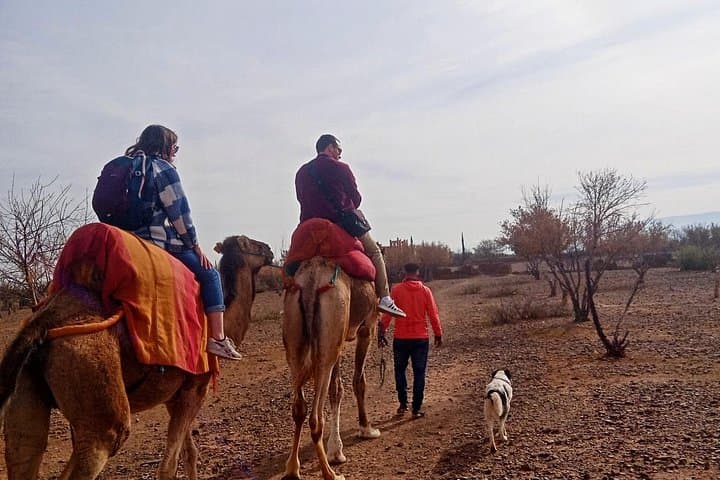

Morning light breaks over Marrakech and the city’s mosaic of rooftops shrinks behind you as the minivan climbs toward the High Atlas. The road snakes through argan scrub and Juniper stands; soon you’re in Asni Valley at roughly 1,000 m, where a camel waits to carry you across the river and scrubland that push at the valley margins.
Morning light breaks over Marrakech and the city’s mosaic of rooftops shrinks behind you as the minivan climbs toward the High Atlas. The road snakes through argan scrub and Juniper stands; soon you’re in Asni Valley at roughly 1,000 m, where a camel waits to carry you across the river and scrubland that push at the valley margins.
This day trip threads together living Berber communities, a traditional argan oil cooperative and a 1.5‑hour guided walk through Imlil valley—an entry point to the High Atlas foothills. Geologically, the range is young and rugged: granite and metamorphic outcrops tilt and fracture, feeding narrow streams that carve small waterfalls and terraces below the villages. Culturally, the route highlights local hospitality — expect a home‑cooked lunch in a Berber house and small‑scale commerce at market stalls (notably on Tuesdays and Saturdays).
The hike itself is short but real: plan for uneven stone tracks, stair-like switchbacks and a net elevation change commonly between 150–400 m depending on the route. It’s an accessible introduction to mountain walking rather than technical mountaineering, with options for mule or camel rides for lower‑impact travel.
Practical guidance: wear sturdy shoes, carry 1.5–2 L water, sun protection and a midlayer for wind at higher elevations. Timing matters—start early to avoid hot afternoon sun and allow time for market stops, the argan co‑op and the village lunch. Respect private homes, follow your guide on narrow trails, and bring cash for small purchases.