THE ADVENTURE COLLECTIVE® · Independent discovery and booking for outdoor travel

Travel from Marrakech over the Atlas to spend nights in riads and a desert bivouac, visiting Aït Benhaddou and crossing Dades Gorge. This 7-night tour combines cultural sites, long scenic drives and a camel trek into the Sahara.
Travel from Marrakech over the Atlas to spend nights in riads and a desert bivouac, visiting Aït Benhaddou and crossing Dades Gorge. This 7-night tour combines cultural sites, long scenic drives and a camel trek into the Sahara.
A wind-scrubbed morning in Marrakech sets the tone: spice stalls steam, the Koutoubia minaret casts a long shadow, and the group piles into an air-conditioned van bound for the high Atlas and, eventually, the sea of dunes at Merzouga.
Verified experiences and guided adventures in the surrounding area.
Operated by Mounir MARRAKECH · Marrakech, Marrakesh-Safi
A wind-scrubbed morning in Marrakech sets the tone: spice stalls steam, the Koutoubia minaret casts a long shadow, and the group piles into an air-conditioned van bound for the high Atlas and, eventually, the sea of dunes at Merzouga.
The route threads through Tizi-n-Tichka, a high mountain pass carved from volcanic and sedimentary rock, then down into valleys where ochre kasbahs like Aït Benhaddou rise from the earth—an adobe stronghold that once sat on trans-Saharan caravan routes and now bears UNESCO protection and a surprising filmography.
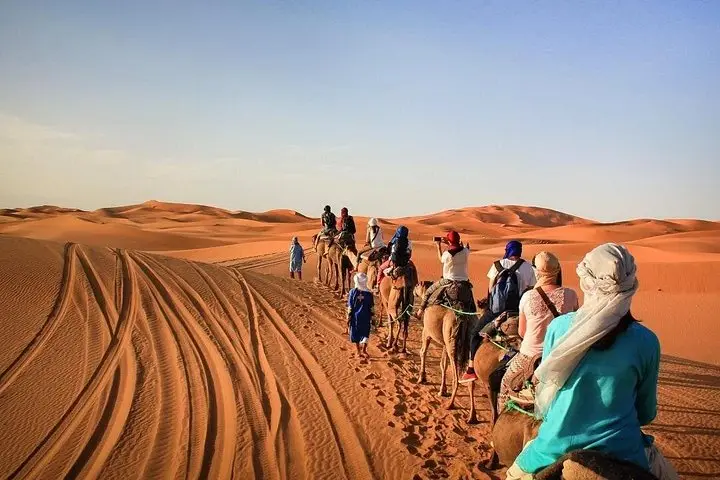
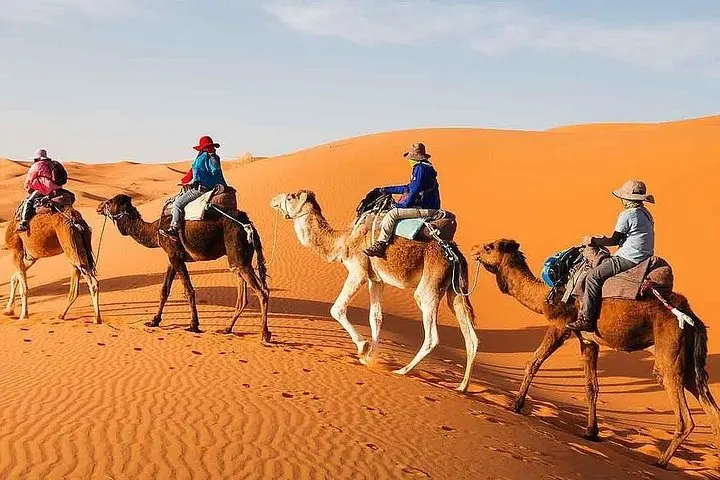
Beyond the kasbahs, the road crosses palm oases, rose valleys and the sculpted flanks of the Dades Gorge. Villages like Tinghir and Rissani offer glimpses of rural life; in Merzouga, camels line up to ferry travelers over sand that shifts with every breeze, and the desert’s silence dares you to listen.
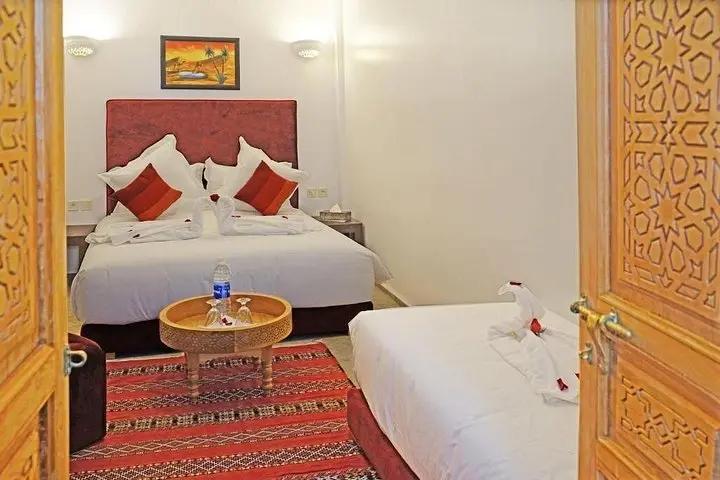
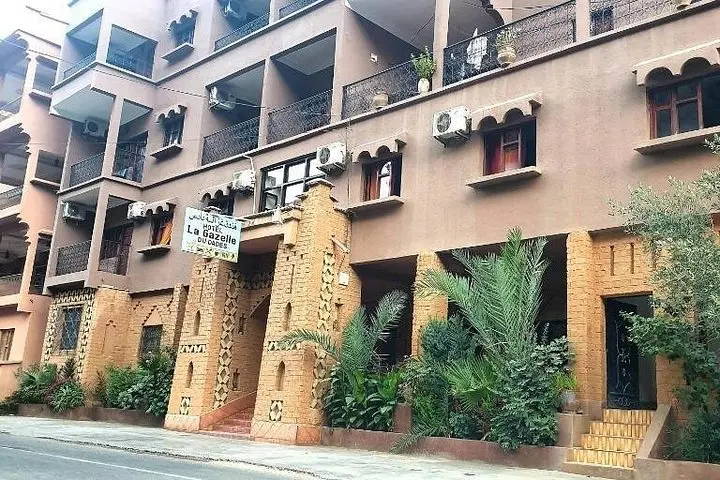
Accommodation alternates between riads in Marrakech and simple desert tents; breakfasts are included and two dinners are provided during the Sahara leg. Expect long drives—several full days on the road—short guided visits, a one-hour camel trek to a bivouac, and a sunrise return from the dunes.
Practicalities: carry reusable water, a small daypack for the camel transfer (suitcases stay with transport), and layered clothing for hot days and cool desert nights. Mobility requirements are modest, but the trip isn’t suitable for travelers with serious spinal or cardiovascular conditions. With straightforward logistics and big landscapes, this itinerary is an efficient way to see southern Morocco’s geology, history, and desert culture in one package.
The one-hour camel ride is low-impact but requires mounting a camel and holding balance; those with severe back or mobility issues should advise the operator.
Most simple desert bivouacs have shared toilets but limited or no showers; check the specific camp description for facilities.
Breakfasts are provided daily and two dinners during the Sahara portion are included—notify the operator in advance to arrange for dietary needs.
Several days involve long transfers—expect drives of 3–9 hours between stops with scheduled rest and sightseeing breaks.
Mounir MARRAKECH operates guided outdoor trips and adventures with an emphasis on safety, stewardship, and memorable experiences.
A wind-scrubbed morning in Marrakech sets the tone: spice stalls steam, the Koutoubia minaret casts a long shadow, and the group piles into an air-conditioned van bound for the high Atlas and, eventually, the sea of dunes at Merzouga.
A wind-scrubbed morning in Marrakech sets the tone: spice stalls steam, the Koutoubia minaret casts a long shadow, and the group piles into an air-conditioned van bound for the high Atlas and, eventually, the sea of dunes at Merzouga.
The route threads through Tizi-n-Tichka, a high mountain pass carved from volcanic and sedimentary rock, then down into valleys where ochre kasbahs like Aït Benhaddou rise from the earth—an adobe stronghold that once sat on trans-Saharan caravan routes and now bears UNESCO protection and a surprising filmography.
Beyond the kasbahs, the road crosses palm oases, rose valleys and the sculpted flanks of the Dades Gorge. Villages like Tinghir and Rissani offer glimpses of rural life; in Merzouga, camels line up to ferry travelers over sand that shifts with every breeze, and the desert’s silence dares you to listen.
Accommodation alternates between riads in Marrakech and simple desert tents; breakfasts are included and two dinners are provided during the Sahara leg. Expect long drives—several full days on the road—short guided visits, a one-hour camel trek to a bivouac, and a sunrise return from the dunes.
Practicalities: carry reusable water, a small daypack for the camel transfer (suitcases stay with transport), and layered clothing for hot days and cool desert nights. Mobility requirements are modest, but the trip isn’t suitable for travelers with serious spinal or cardiovascular conditions. With straightforward logistics and big landscapes, this itinerary is an efficient way to see southern Morocco’s geology, history, and desert culture in one package.