THE ADVENTURE COLLECTIVE® · Independent discovery and booking for outdoor travel

A full-day journey from Marrakech across the Tichka Pass to Ait Ben Haddou and Telouet, this trip blends High Atlas panoramas, desert-edge terrain, and centuries of Berber and colonial history. Expect long driving stretches, short cultural walks, and shifting temperatures.
A full-day journey from Marrakech across the Tichka Pass to Ait Ben Haddou and Telouet, this trip blends High Atlas panoramas, desert-edge terrain, and centuries of Berber and colonial history. Expect long driving stretches, short cultural walks, and shifting temperatures.
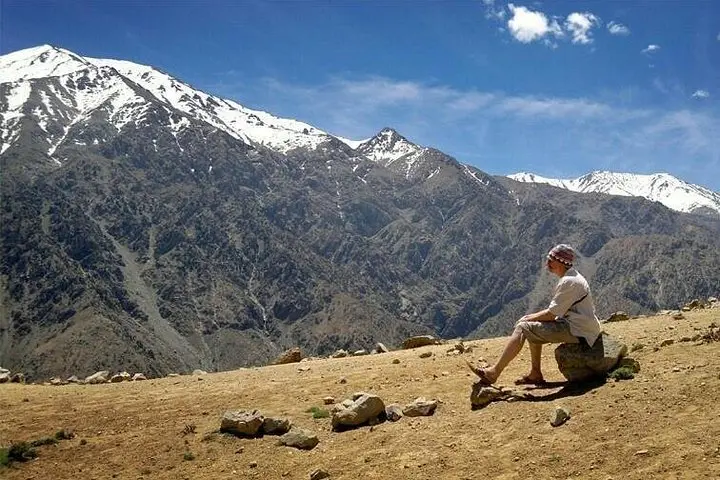
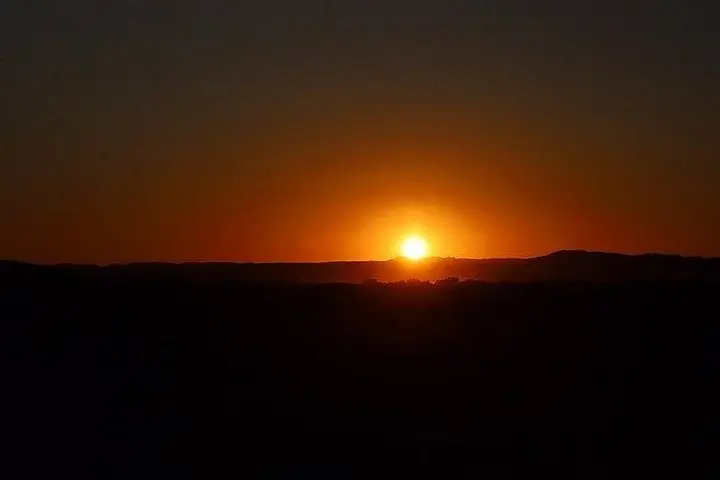
You leave Marrakech before dawn and the city shrinks behind you as the road climbs into the High Atlas. Air thins and light angles across terraced fields; small berber villages pin themselves to the slopes while switchbacks push you higher toward the Tichka Pass.
Verified experiences and guided adventures in the surrounding area.
Operated by Sahara & Mountains trips · Marrakech, Marrakesh-Safi
You leave Marrakech before dawn and the city shrinks behind you as the road climbs into the High Atlas. Air thins and light angles across terraced fields; small berber villages pin themselves to the slopes while switchbacks push you higher toward the Tichka Pass.
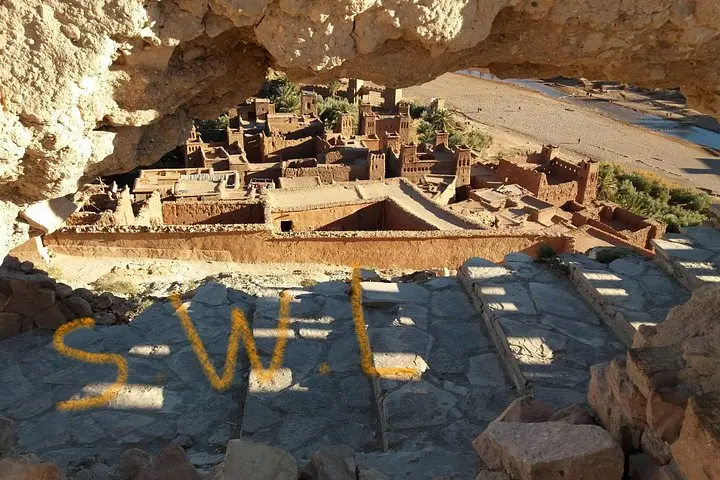
The day threads history and geology. Tichka is a folded mountain pass carved by the Atlas uplift—rock faces and red scree give way to broad foothills. Ait Ben Haddou arrives like a storybook: a fortified ksar of sun-dried mudbrick that guarded caravan routes and later doubled for Hollywood epics. Nearby Telouet Kasbah recalls the era of Thami El Glaoui, the Pasha whose wealth and French-era politics shaped southern Morocco.
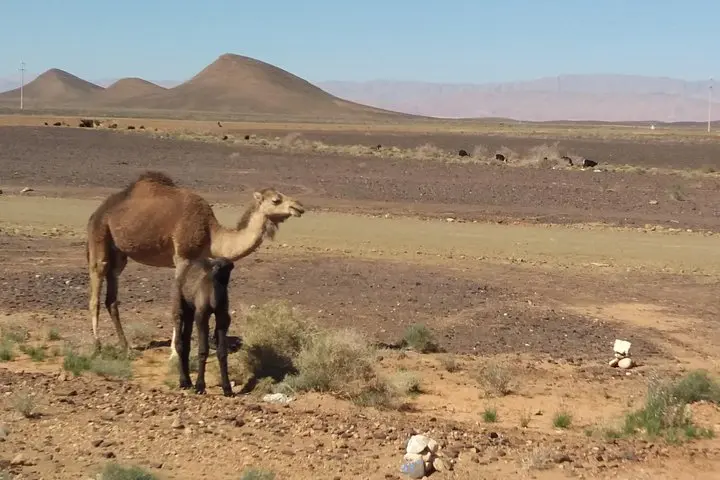
Culturally, you’ll pass fields where barley and olives are still tended by hand, and meet villagers for whom trans-Saharan routes were once lifelines. The desert ahead is less a single place than a changing set of terrains—rocky hamada, gravel plains, and the first hints of sand dunes that “open” the Sahara.
Practical guidance: this is a long, mostly vehicle-based day with short walks at viewpoints and sites. Expect uneven paths at the ksar and steps at the kasbah; bring layered clothing for cool mountain mornings and hot lowland afternoons. Hydrate early, carry sun protection, and plan for limited shade during stops.
Timing matters—starting early avoids the afternoon heat and gives better light for photos at Ait Ben Haddou. The tour includes private transport and lunch, but comfortable shoes and a refillable water bottle will make the day easier and more enjoyable.
The tour runs about 10 hours and typically includes private transportation and lunch; museum or site admissions depend on the itinerary.
No technical demands—moderate fitness is required for short walks and steps at historical sites, but much of the day is by vehicle.
Some aspects are wheelchair accessible (transport and flat viewpoints), but mudbrick sites and steps may limit access to interiors—check with the operator for specific needs.
It refers to the western approach toward the Sahara Desert, including foothills, desert-edge landscapes, and gateway towns rather than deep dune excursions.
Sahara & Mountains trips operates guided outdoor trips and adventures with an emphasis on safety, stewardship, and memorable experiences.
You leave Marrakech before dawn and the city shrinks behind you as the road climbs into the High Atlas. Air thins and light angles across terraced fields; small berber villages pin themselves to the slopes while switchbacks push you higher toward the Tichka Pass.
You leave Marrakech before dawn and the city shrinks behind you as the road climbs into the High Atlas. Air thins and light angles across terraced fields; small berber villages pin themselves to the slopes while switchbacks push you higher toward the Tichka Pass.
The day threads history and geology. Tichka is a folded mountain pass carved by the Atlas uplift—rock faces and red scree give way to broad foothills. Ait Ben Haddou arrives like a storybook: a fortified ksar of sun-dried mudbrick that guarded caravan routes and later doubled for Hollywood epics. Nearby Telouet Kasbah recalls the era of Thami El Glaoui, the Pasha whose wealth and French-era politics shaped southern Morocco.
Culturally, you’ll pass fields where barley and olives are still tended by hand, and meet villagers for whom trans-Saharan routes were once lifelines. The desert ahead is less a single place than a changing set of terrains—rocky hamada, gravel plains, and the first hints of sand dunes that “open” the Sahara.
Practical guidance: this is a long, mostly vehicle-based day with short walks at viewpoints and sites. Expect uneven paths at the ksar and steps at the kasbah; bring layered clothing for cool mountain mornings and hot lowland afternoons. Hydrate early, carry sun protection, and plan for limited shade during stops.
Timing matters—starting early avoids the afternoon heat and gives better light for photos at Ait Ben Haddou. The tour includes private transport and lunch, but comfortable shoes and a refillable water bottle will make the day easier and more enjoyable.