THE ADVENTURE COLLECTIVE® · Independent discovery and booking for outdoor travel

A compact two-day loop from Marrakech to Zagora that crosses the High Atlas, visits the UNESCO ksar of Aït Benhaddou, and includes an overnight Sahara camp. Expect long driving stretches, short cultural walks, and dramatic desert light.
A compact two-day loop from Marrakech to Zagora that crosses the High Atlas, visits the UNESCO ksar of Aït Benhaddou, and includes an overnight Sahara camp. Expect long driving stretches, short cultural walks, and dramatic desert light.
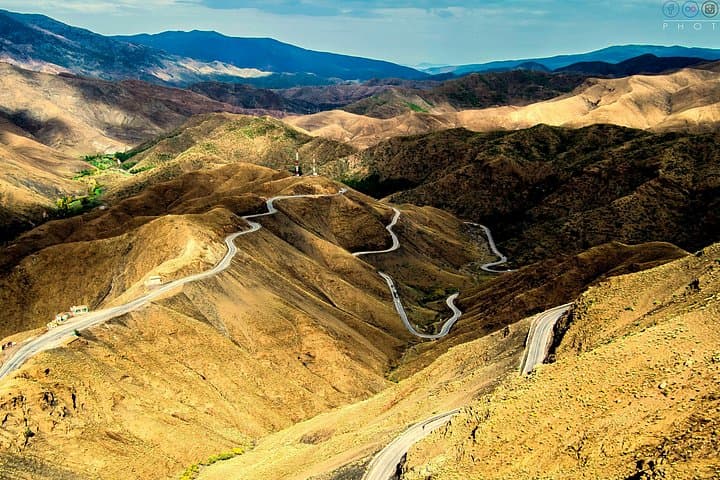
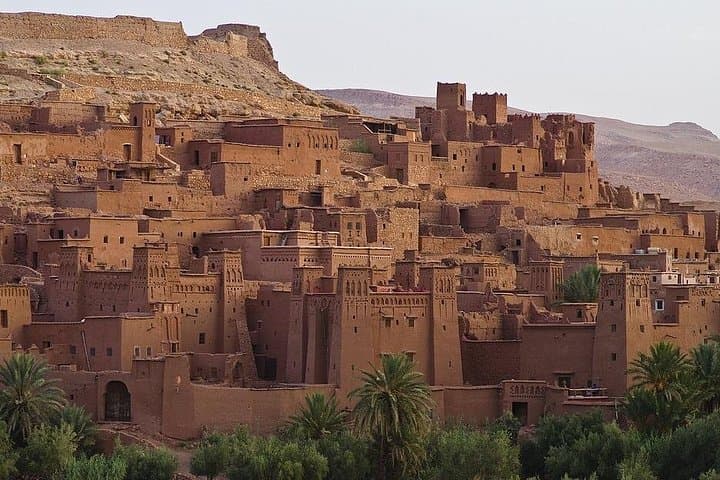
You leave Marrakech before dawn, the city’s ochre walls shrinking as the road climbs toward the High Atlas. Mountains give way to gulches and palms; the air thins and the light takes on the flat, honeyed quality that announces the desert. By late afternoon the mud-brick towers of Ksar Aït Benhaddou appear on a low rise, the kasbahs catching sun like baked clay models.
Verified experiences and guided adventures in the surrounding area.
Operated by Marrakech Guided tour · Zagora, Drâa-Tafilalet
You leave Marrakech before dawn, the city’s ochre walls shrinking as the road climbs toward the High Atlas. Mountains give way to gulches and palms; the air thins and the light takes on the flat, honeyed quality that announces the desert. By late afternoon the mud-brick towers of Ksar Aït Benhaddou appear on a low rise, the kasbahs catching sun like baked clay models.
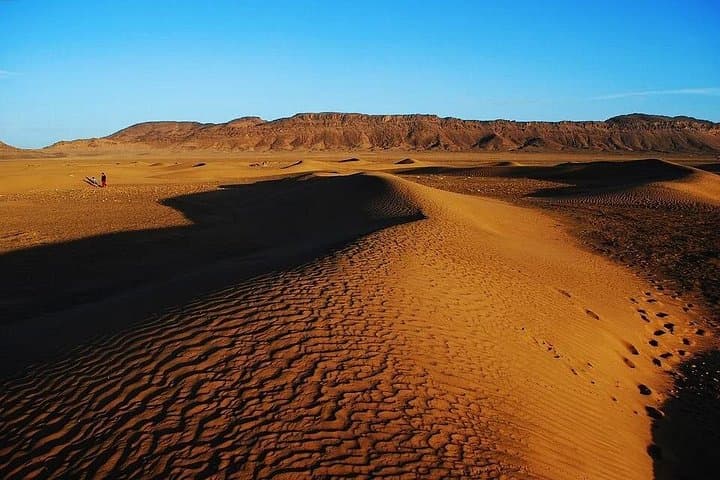
Aït Benhaddou sits on the old caravan route between Marrakech and the Sahara — a cluster of earthen houses and merchant towers that preserved a building tradition of rammed earth and straw. Geologically, the route follows the fold of the Atlas where rivers carved oases that supported date palms and caravan camps; further south the terrain eases into the pebble plains and sand seas of the Draa Valley and Zagora.
Culture here is quiet but present: Berber hospitality, mint tea offers, and camp life under a huge sky. The tour includes an overnight Sahara camp — expect sleeping in a tent, simple meals, and campfires, plus short walks to watch sunset over dunes or palm groves.
Practical guidance: the drive is long (roughly 10–12 hours of transit across two days), so bring water, earplugs, and layered clothing for warm days and cool nights. Comfortable walking shoes and sun protection are essential for strolls through the ksar and oasis paths. If you have limited time, this two-day loop delivers an efficient glimpse of southern Morocco’s landscape and living architecture, but consider adding days if you want more walking or a fuller Sahara experience.
The round trip typically involves 10–12 hours of driving spread over two days, with stops at Aït Benhaddou and scenic viewpoints.
Camps are simple and geared to travelers: canvas tents with mats or beds, group meals, and shared sanitation—comfortable but not luxury-level.
Most nationalities can visit southern Morocco without special permits; check visa requirements for Morocco based on your passport before travel.
Marrakech Guided tour operates guided outdoor trips and adventures with an emphasis on safety, stewardship, and memorable experiences.
You leave Marrakech before dawn, the city’s ochre walls shrinking as the road climbs toward the High Atlas. Mountains give way to gulches and palms; the air thins and the light takes on the flat, honeyed quality that announces the desert. By late afternoon the mud-brick towers of Ksar Aït Benhaddou appear on a low rise, the kasbahs catching sun like baked clay models.
You leave Marrakech before dawn, the city’s ochre walls shrinking as the road climbs toward the High Atlas. Mountains give way to gulches and palms; the air thins and the light takes on the flat, honeyed quality that announces the desert. By late afternoon the mud-brick towers of Ksar Aït Benhaddou appear on a low rise, the kasbahs catching sun like baked clay models.
Aït Benhaddou sits on the old caravan route between Marrakech and the Sahara — a cluster of earthen houses and merchant towers that preserved a building tradition of rammed earth and straw. Geologically, the route follows the fold of the Atlas where rivers carved oases that supported date palms and caravan camps; further south the terrain eases into the pebble plains and sand seas of the Draa Valley and Zagora.
Culture here is quiet but present: Berber hospitality, mint tea offers, and camp life under a huge sky. The tour includes an overnight Sahara camp — expect sleeping in a tent, simple meals, and campfires, plus short walks to watch sunset over dunes or palm groves.
Practical guidance: the drive is long (roughly 10–12 hours of transit across two days), so bring water, earplugs, and layered clothing for warm days and cool nights. Comfortable walking shoes and sun protection are essential for strolls through the ksar and oasis paths. If you have limited time, this two-day loop delivers an efficient glimpse of southern Morocco’s landscape and living architecture, but consider adding days if you want more walking or a fuller Sahara experience.