THE ADVENTURE COLLECTIVE® · Independent discovery and booking for outdoor travel

Six days from the red city to the Atlantic: explore Marrakesh’s medina, sleep under Agafay’s starry sky, meet argan cooperatives, and walk Essaouira’s seawalls. Practical pacing and comfortable transfers make this a compact introduction to Morocco’s interior and coast.
Six days from the red city to the Atlantic: explore Marrakesh’s medina, sleep under Agafay’s starry sky, meet argan cooperatives, and walk Essaouira’s seawalls. Practical pacing and comfortable transfers make this a compact introduction to Morocco’s interior and coast.
You step out of Marrakesh into late-afternoon heat, the city’s orange walls softening in the light while the medina hums behind you. The guide loads luggage into an air-conditioned vehicle and, within an hour, the alleys and minarets give way to scrubby plains and then the stone plateaus of the Agafay Desert. Camels wait like patient machines; the tent camp glows under a clear sky.
Verified experiences and guided adventures in the surrounding area.
Operated by Happy Moroccan Tours · Marrakesh, Marrakech-Safi
You step out of Marrakesh into late-afternoon heat, the city’s orange walls softening in the light while the medina hums behind you. The guide loads luggage into an air-conditioned vehicle and, within an hour, the alleys and minarets give way to scrubby plains and then the stone plateaus of the Agafay Desert. Camels wait like patient machines; the tent camp glows under a clear sky.
This six-day route threads Morocco’s central highlands to the Atlantic: the imperial rhythms of Marrakesh’s medina, the Agafay’s lunar rockscapes, the argan-studded hills on the road west, and the whitewashed ramparts of Essaouira before the modern sprawl of Casablanca. Geologically the Agafay is a stony plateau shaped by erosion rather than the Sahara’s dunes, while the Atlantic coast reflects centuries of Phoenician, Portuguese and Berber influence — note the Portuguese cistern at El Jadida and Essaouira’s 18th-century fortified port.
Culturally, expect bustling souks, argan cooperatives run by local women, coastal fishing harbors, and slow-paced town squares. Wildlife is coastal and pastoral: seabirds and the famous argan-climbing goats.
Practical guidance: travel between towns is mostly paved and comfortable but includes multi-hour drives (Marrakesh–Essaouira ≈ 3 hours). Wear sturdy shoes for medina cobbles and desert stone, bring sun protection and a warm layer for desert nights, and carry refillable water—bottled water is usually provided. Schedule mornings for walking tours and late afternoons for photography when light and temperature are kinder. This private, accessible itinerary suits travelers seeking a compact but varied taste of Morocco’s interior and coast.
Expect several multi-hour drives; Marrakesh to Essaouira is about a 3-hour drive, and coastal transfers include short stops in Safi, El Jadida and Azemmour before Casablanca.
No—the Agafay is a stony, rocky plateau near Marrakesh, not the sand dune fields of the Sahara, but it still offers desert-style camps and camel rides.
The tour lists wheelchair-accessible options and air-conditioned transportation; however, medina streets and the tent camp have uneven surfaces—advise discussing specific needs with the operator before booking.
The Moroccan dirham (MAD) is used; tipping is customary for guides, drivers and service staff—small amounts appreciated and often expected for good service.
Happy Moroccan Tours operates guided outdoor trips and adventures with an emphasis on safety, stewardship, and memorable experiences.
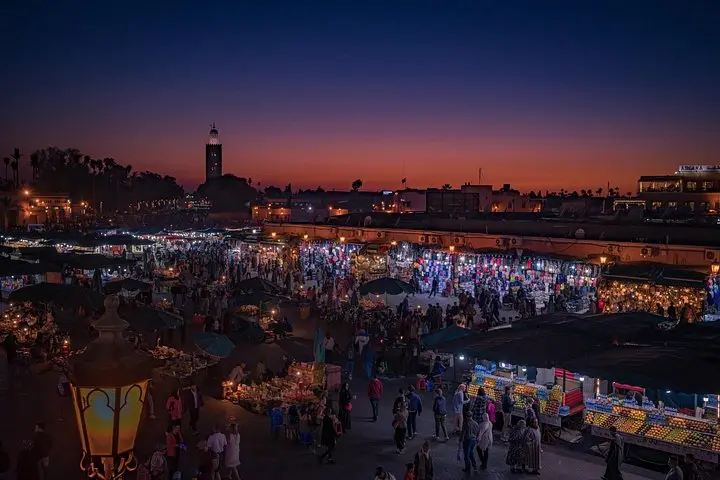
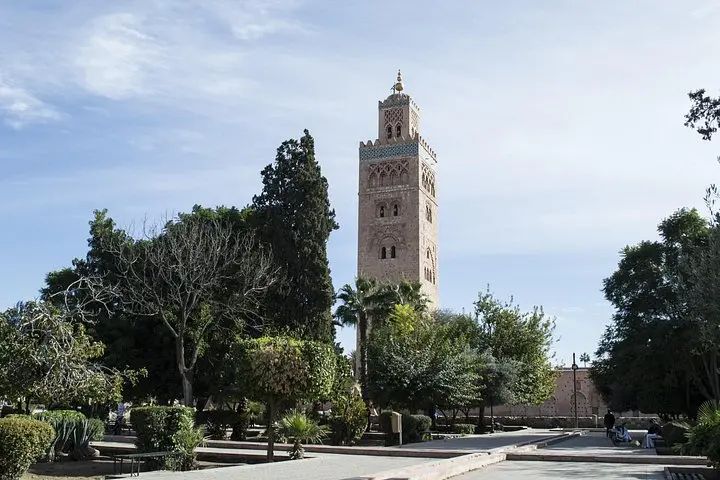
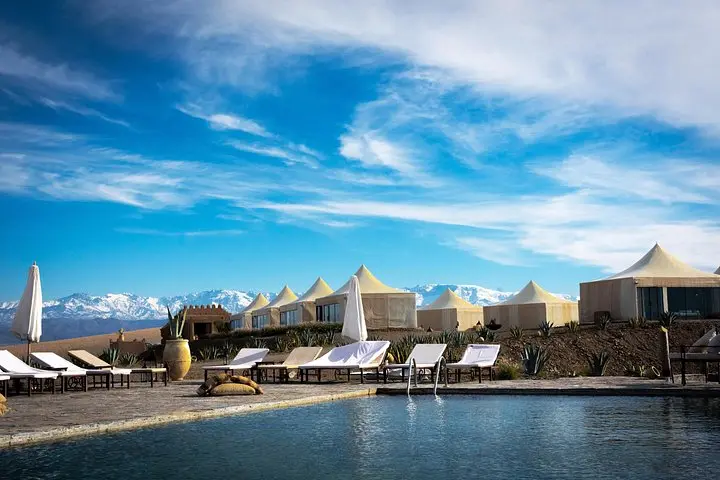
You step out of Marrakesh into late-afternoon heat, the city’s orange walls softening in the light while the medina hums behind you. The guide loads luggage into an air-conditioned vehicle and, within an hour, the alleys and minarets give way to scrubby plains and then the stone plateaus of the Agafay Desert. Camels wait like patient machines; the tent camp glows under a clear sky.
You step out of Marrakesh into late-afternoon heat, the city’s orange walls softening in the light while the medina hums behind you. The guide loads luggage into an air-conditioned vehicle and, within an hour, the alleys and minarets give way to scrubby plains and then the stone plateaus of the Agafay Desert. Camels wait like patient machines; the tent camp glows under a clear sky.
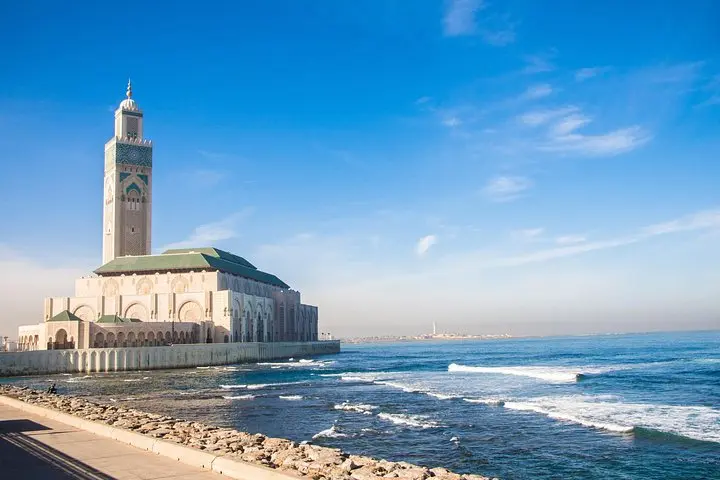
This six-day route threads Morocco’s central highlands to the Atlantic: the imperial rhythms of Marrakesh’s medina, the Agafay’s lunar rockscapes, the argan-studded hills on the road west, and the whitewashed ramparts of Essaouira before the modern sprawl of Casablanca. Geologically the Agafay is a stony plateau shaped by erosion rather than the Sahara’s dunes, while the Atlantic coast reflects centuries of Phoenician, Portuguese and Berber influence — note the Portuguese cistern at El Jadida and Essaouira’s 18th-century fortified port.
Culturally, expect bustling souks, argan cooperatives run by local women, coastal fishing harbors, and slow-paced town squares. Wildlife is coastal and pastoral: seabirds and the famous argan-climbing goats.
Practical guidance: travel between towns is mostly paved and comfortable but includes multi-hour drives (Marrakesh–Essaouira ≈ 3 hours). Wear sturdy shoes for medina cobbles and desert stone, bring sun protection and a warm layer for desert nights, and carry refillable water—bottled water is usually provided. Schedule mornings for walking tours and late afternoons for photography when light and temperature are kinder. This private, accessible itinerary suits travelers seeking a compact but varied taste of Morocco’s interior and coast.