THE ADVENTURE COLLECTIVE® · Independent discovery and booking for outdoor travel

Race across golden dunes by ATV, climb crests in a 4×4 jeep, then slow into a Bedouin evening of camel rides, barbecue, and traditional dance. This Marsa Alam super safari blends adrenaline with local culture and a Red Sea sunset.
Race across golden dunes by ATV, climb crests in a 4×4 jeep, then slow into a Bedouin evening of camel rides, barbecue, and traditional dance. This Marsa Alam super safari blends adrenaline with local culture and a Red Sea sunset.
The sun leans low over the Red Sea horizon as a line of ATVs kicks sand into the cooling air — you can feel the desert pushing you forward. Rattling across golden dunes, the Jeep climbs a crest and the view opens: wind-sculpted ridges that glow orange, a hard, rocky spine of the Eastern Desert visible where sand thins.
Verified experiences and guided adventures in the surrounding area.
Operated by Delight Trips · Marsa Alam, Red Sea Governorate
The sun leans low over the Red Sea horizon as a line of ATVs kicks sand into the cooling air — you can feel the desert pushing you forward. Rattling across golden dunes, the Jeep climbs a crest and the view opens: wind-sculpted ridges that glow orange, a hard, rocky spine of the Eastern Desert visible where sand thins.
This stretch of eastern Egypt carries layers of history — Bedouin families who read the landscape for water and grazing, caravan routes that threaded the range, and later coastal villages that became Marsa Alam. Geologically the terrain is a mix of mobile dunes and exposed Precambrian rock; that contrast explains why vegetation is sparse yet striking in small oases. Culturally the evening centers on Bedouin hospitality: tea, flatbread, and storytelling around the fire, followed by Tanoura spinning and belly dance that trace centuries of local performance tradition.
Practical guide: most operators provide hotel pickup and a 6–7 hour program that combines supervised ATV time, a 4×4 dune drive, a short camel ride, and a barbecue dinner in a Bedouin camp. Wear closed-toe shoes, bring 1–2 L of water, sunscreen, and a small headlamp for the return. Helmets are provided for ATVs; listen to the safety briefing and keep speeds conservative on unfamiliar dunes. Expect coarse sand underfoot, sudden gusts, and cooler nights after sunset. Photography is excellent at golden hour — secure cameras and use wrist straps. Respect Bedouin spaces: ask before photographing people, avoid wandering into private campsite areas, and carry out any trash. The result is tangible: a day that pairs desert adrenaline with human warmth as the dunes settle into night.
Yes — most operators include hotel pickup and drop-off within Marsa Alam; confirm your pickup point when booking.
No — helmets are provided and staff give a safety briefing; beginners can participate but should follow guide instructions and keep moderate speeds.
Children are usually welcome but check age limits with the operator; infant seats may be available and activities like camel rides are adjusted for younger guests.
Bring some Egyptian pounds for tips or small purchases; tipping local guides and camp staff is customary and appreciated.
Delight Trips operates guided outdoor trips and adventures with an emphasis on safety, stewardship, and memorable experiences.
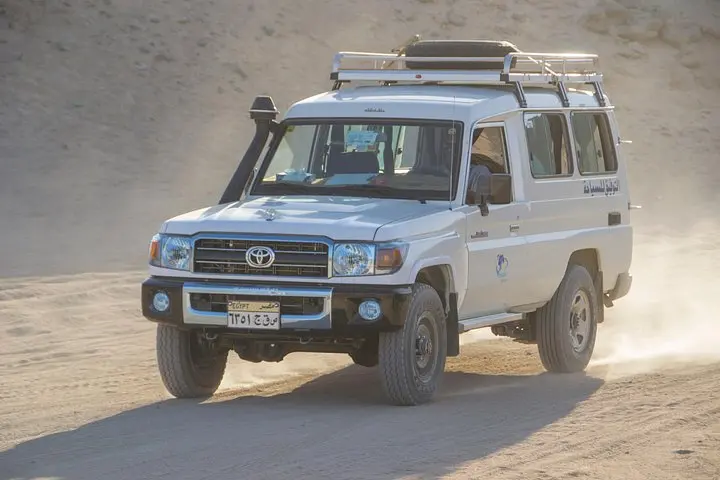
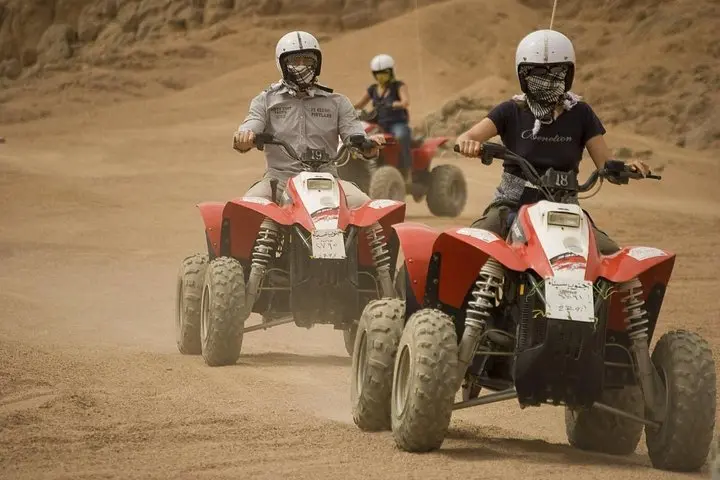
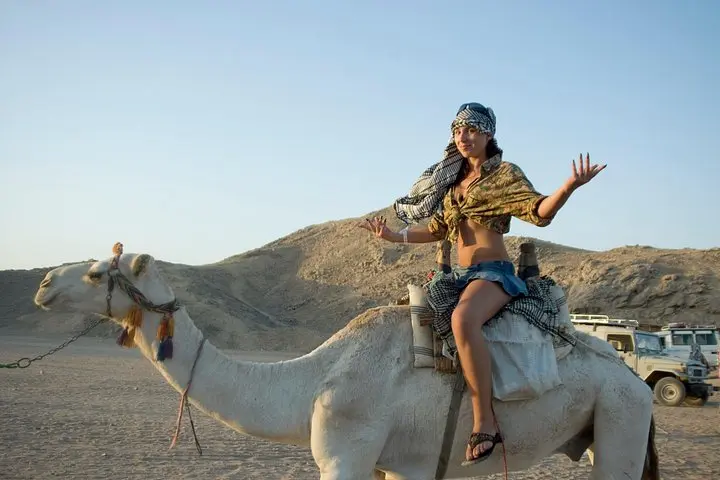
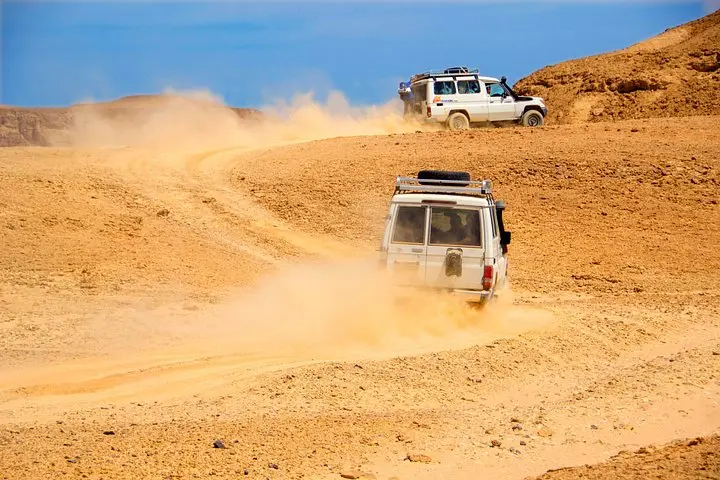
The sun leans low over the Red Sea horizon as a line of ATVs kicks sand into the cooling air — you can feel the desert pushing you forward. Rattling across golden dunes, the Jeep climbs a crest and the view opens: wind-sculpted ridges that glow orange, a hard, rocky spine of the Eastern Desert visible where sand thins.
The sun leans low over the Red Sea horizon as a line of ATVs kicks sand into the cooling air — you can feel the desert pushing you forward. Rattling across golden dunes, the Jeep climbs a crest and the view opens: wind-sculpted ridges that glow orange, a hard, rocky spine of the Eastern Desert visible where sand thins.
This stretch of eastern Egypt carries layers of history — Bedouin families who read the landscape for water and grazing, caravan routes that threaded the range, and later coastal villages that became Marsa Alam. Geologically the terrain is a mix of mobile dunes and exposed Precambrian rock; that contrast explains why vegetation is sparse yet striking in small oases. Culturally the evening centers on Bedouin hospitality: tea, flatbread, and storytelling around the fire, followed by Tanoura spinning and belly dance that trace centuries of local performance tradition.
Practical guide: most operators provide hotel pickup and a 6–7 hour program that combines supervised ATV time, a 4×4 dune drive, a short camel ride, and a barbecue dinner in a Bedouin camp. Wear closed-toe shoes, bring 1–2 L of water, sunscreen, and a small headlamp for the return. Helmets are provided for ATVs; listen to the safety briefing and keep speeds conservative on unfamiliar dunes. Expect coarse sand underfoot, sudden gusts, and cooler nights after sunset. Photography is excellent at golden hour — secure cameras and use wrist straps. Respect Bedouin spaces: ask before photographing people, avoid wandering into private campsite areas, and carry out any trash. The result is tangible: a day that pairs desert adrenaline with human warmth as the dunes settle into night.