THE ADVENTURE COLLECTIVE® · Independent discovery and booking for outdoor travel

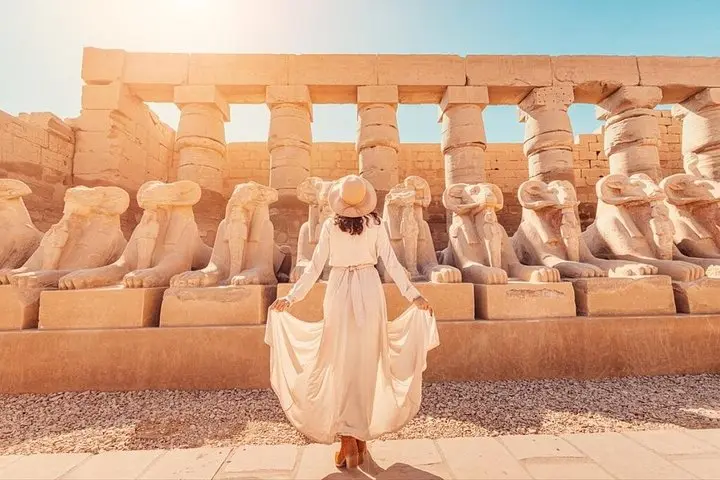
Travel from Marsa Alam to Luxor with a private Egyptologist guiding you through the Valley of the Kings, Hatshepsut’s temple, Karnak and Luxor Temples, plus a free lunch by the Nile. This full-day, door-to-door tour balances history, comfort, and flexibility.
Travel from Marsa Alam to Luxor with a private Egyptologist guiding you through the Valley of the Kings, Hatshepsut’s temple, Karnak and Luxor Temples, plus a free lunch by the Nile. This full-day, door-to-door tour balances history, comfort, and flexibility.
Before dawn a modern minivan rolls off the coastal road and into the ochre of the Eastern Desert, the wind shaping dunes that seem to urge the vehicle forward.
Verified experiences and guided adventures in the surrounding area.
Operated by Saray El-Nile · Luxor, Luxor Governorate
Before dawn a modern minivan rolls off the coastal road and into the ochre of the Eastern Desert, the wind shaping dunes that seem to urge the vehicle forward.
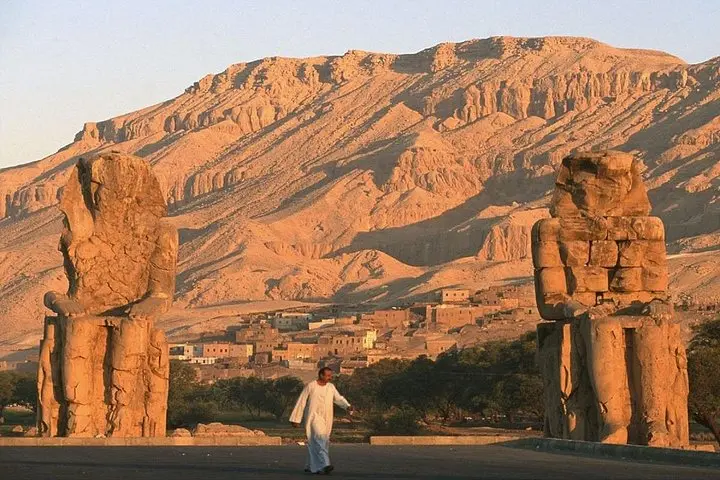
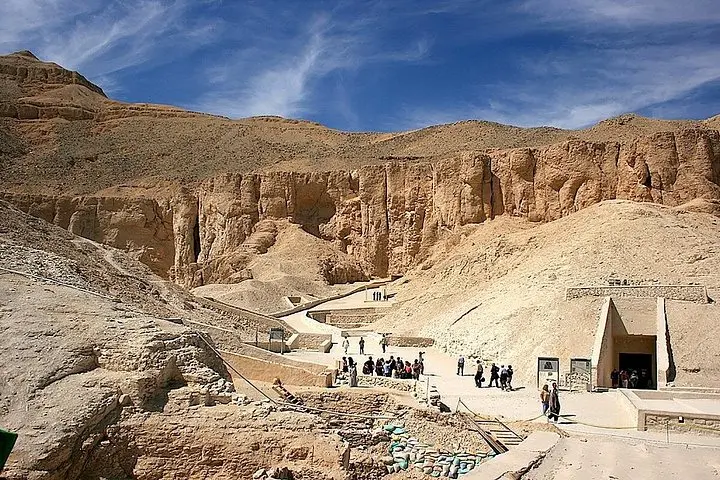
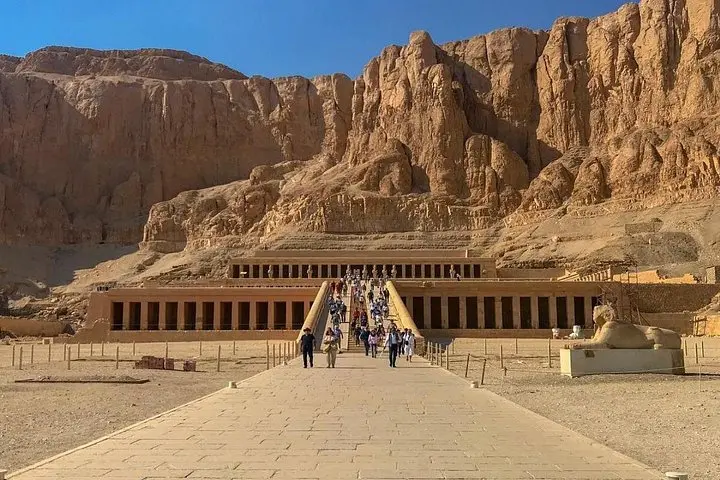
By midmorning you stand on the West Bank where cliffs host the Valley of the Kings — burial chambers cut into the living rock, their painted walls still murmuring stories of pharaohs. The Temple of Queen Hatshepsut rises like a geometric cliff-face, while the Colossi of Memnon keep watch over the plain.
Geology here is straightforward and stark: limestone bluffs, desert wadis, and the fertile ribbon of the Nile that carved a life-giving trench through ancient stone. Luxor was once Thebes, the political and religious heart of New Kingdom Egypt; the temples you visit were focal points for state ritual and solar theology.
Culturally, the day blends archaeological spectacle with modern Egyptian life — a lunch by the Nile lets you watch feluccas drift and local vendors ply goods near the riverbank. Your Egyptologist guide provides context: tomb symbolism, construction methods, and how rituals tied the living to the afterlife.
Practical guidance: start early to beat heat and crowds, carry a refillable water bottle, sun protection, and a light scarf for temple etiquette. Wear comfortable walking shoes for uneven steps and sandy approaches. Expect long but comfortable drives; the private vehicle is air-conditioned and door-to-door from Marsa Alam.
This is a full day of walking through history with steady pacing—bring patience for lines at ticket booths, a camera with extra battery, and an appetite for both stories and the Nile-side lunch that closes the day.
The round-trip drive is roughly 3–4 hours each way depending on traffic and stops; expect a full day with sightseeing included.
This tour description indicates admissions to major sites like the Valley of the Kings and Karnak are included, but confirm at booking for any optional extras.
The tour is labeled physically easy, but many sites have steps and uneven surfaces; discuss mobility needs with the operator ahead of time.
Lightweight, modest clothing that covers shoulders and knees is recommended, with comfortable shoes for walking and climbing short steps.
Saray El-Nile operates guided outdoor trips and adventures with an emphasis on safety, stewardship, and memorable experiences.
Before dawn a modern minivan rolls off the coastal road and into the ochre of the Eastern Desert, the wind shaping dunes that seem to urge the vehicle forward.
Before dawn a modern minivan rolls off the coastal road and into the ochre of the Eastern Desert, the wind shaping dunes that seem to urge the vehicle forward.
By midmorning you stand on the West Bank where cliffs host the Valley of the Kings — burial chambers cut into the living rock, their painted walls still murmuring stories of pharaohs. The Temple of Queen Hatshepsut rises like a geometric cliff-face, while the Colossi of Memnon keep watch over the plain.
Geology here is straightforward and stark: limestone bluffs, desert wadis, and the fertile ribbon of the Nile that carved a life-giving trench through ancient stone. Luxor was once Thebes, the political and religious heart of New Kingdom Egypt; the temples you visit were focal points for state ritual and solar theology.
Culturally, the day blends archaeological spectacle with modern Egyptian life — a lunch by the Nile lets you watch feluccas drift and local vendors ply goods near the riverbank. Your Egyptologist guide provides context: tomb symbolism, construction methods, and how rituals tied the living to the afterlife.
Practical guidance: start early to beat heat and crowds, carry a refillable water bottle, sun protection, and a light scarf for temple etiquette. Wear comfortable walking shoes for uneven steps and sandy approaches. Expect long but comfortable drives; the private vehicle is air-conditioned and door-to-door from Marsa Alam.
This is a full day of walking through history with steady pacing—bring patience for lines at ticket booths, a camera with extra battery, and an appetite for both stories and the Nile-side lunch that closes the day.