THE ADVENTURE COLLECTIVE® · Independent discovery and booking for outdoor travel

A concise, driver-led tour designed for cruise passengers: see Vieux-Port, hilltop views at Notre-Dame de la Garde, and the pedestrian heart of Marseille in a compact four-hour itinerary. Ideal for travelers with limited time who want context, photos, and easy access.
A concise, driver-led tour designed for cruise passengers: see Vieux-Port, hilltop views at Notre-Dame de la Garde, and the pedestrian heart of Marseille in a compact four-hour itinerary. Ideal for travelers with limited time who want context, photos, and easy access.
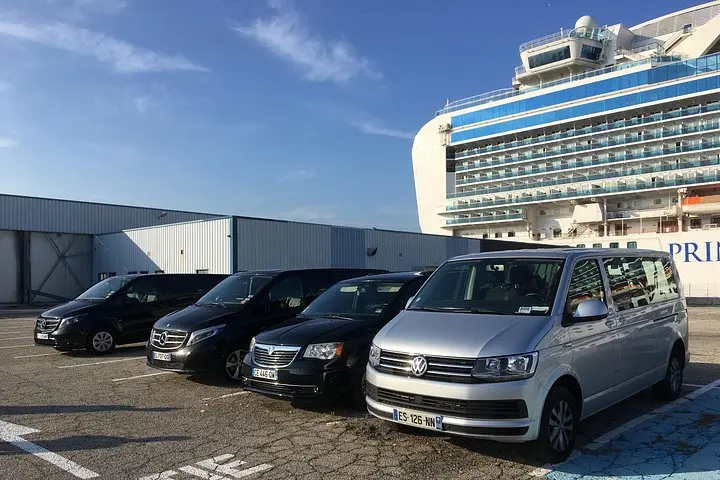
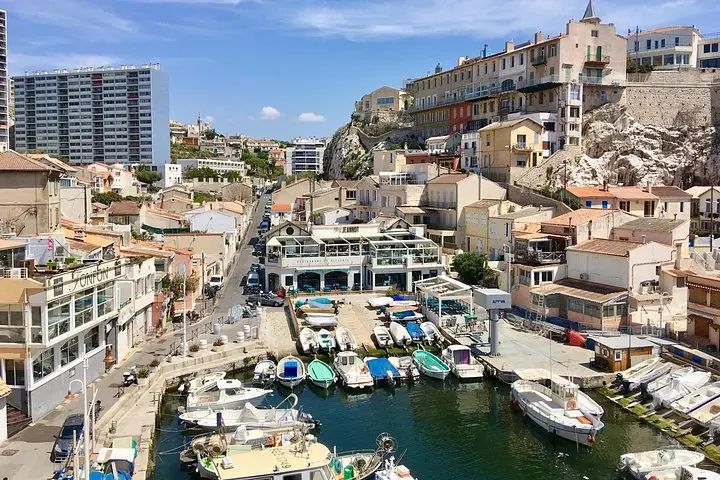
The engine hums and the port widens: salt and diesel mingle as the vehicle leaves the cruise terminal and steers toward the open edges of Marseille. In four hours, the city compresses into a sequence of sharp images — fishermen’s nets, a stepped old quarter, the basilica perched on the highest ridge, and a coastal curve where the sea keeps its own calendar.
Verified experiences and guided adventures in the surrounding area.
Operated by Bonjour Provence · Marseille, Provence-Alpes-Côte d'Azur
The engine hums and the port widens: salt and diesel mingle as the vehicle leaves the cruise terminal and steers toward the open edges of Marseille. In four hours, the city compresses into a sequence of sharp images — fishermen’s nets, a stepped old quarter, the basilica perched on the highest ridge, and a coastal curve where the sea keeps its own calendar.
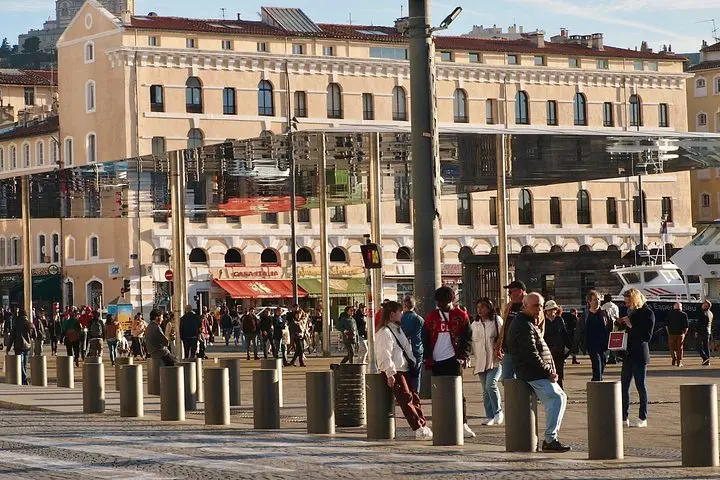
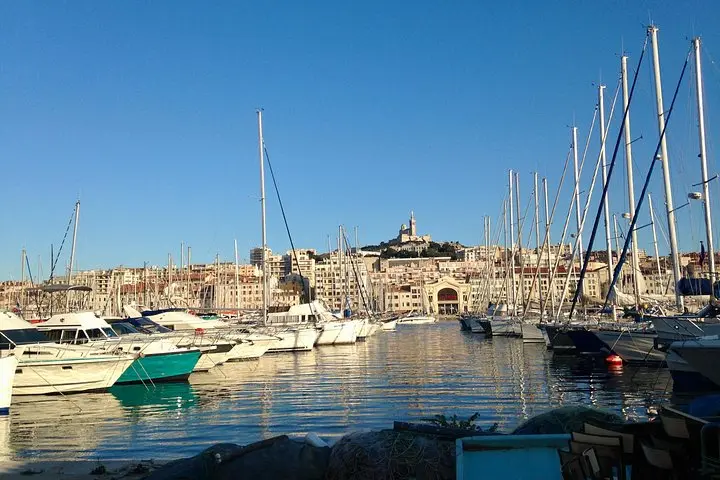
Marseille is France’s oldest city, founded as Massalia by Greek traders around 600 BC, and its streets carry layers of maritime trade, colonial traffic and immigrant communities that shaped local food and dialect. Geology here is visible: limestone cliffs give way to calanques farther east, while the city sits on an alluvial plain whose port has driven its economy for centuries. Cultural highlights include the narrow lanes of Le Panier, the ritual of the Vieux-Port fish market, and the basilica of Notre-Dame de la Garde — a 19th-century votive hilltop church that reads the city like a map.
This private shore excursion prioritizes accessible, drive-up viewpoints and short on-foot stops tailored to limited cruise schedules. Expect multiple photo opportunities, a short walk through the historic pedestrian zone, and practical commentary from a local driver-guide who balances logistics with historical context. Bring comfortable walking shoes for cobbled lanes, a light jacket for hilltop wind, and a small bottle of water.
Timing matters: plan the visit early or late in the day to avoid peak crowds at the basilica and to capture the best light on the harbor. With sensible pacing, four hours is enough to leave the port with a grounded sense of Marseille’s character and geography.
Entry to the basilica is generally free; special exhibitions or the crypt may charge a fee — your guide can advise on current access.
The tour vehicle and many stops are accessible, but some viewpoints and narrow streets have cobblestones or steps; check specific mobility needs when booking.
Yes — the itinerary includes a short stop at a historic bakery and free time in the pedestrian zone for snacks or coffee.
Yes — as a private shore excursion, the route and pace can be adapted to weather, mobility, and ship schedule constraints.
Bonjour Provence operates guided outdoor trips and adventures with an emphasis on safety, stewardship, and memorable experiences.
The engine hums and the port widens: salt and diesel mingle as the vehicle leaves the cruise terminal and steers toward the open edges of Marseille. In four hours, the city compresses into a sequence of sharp images — fishermen’s nets, a stepped old quarter, the basilica perched on the highest ridge, and a coastal curve where the sea keeps its own calendar.
The engine hums and the port widens: salt and diesel mingle as the vehicle leaves the cruise terminal and steers toward the open edges of Marseille. In four hours, the city compresses into a sequence of sharp images — fishermen’s nets, a stepped old quarter, the basilica perched on the highest ridge, and a coastal curve where the sea keeps its own calendar.
Marseille is France’s oldest city, founded as Massalia by Greek traders around 600 BC, and its streets carry layers of maritime trade, colonial traffic and immigrant communities that shaped local food and dialect. Geology here is visible: limestone cliffs give way to calanques farther east, while the city sits on an alluvial plain whose port has driven its economy for centuries. Cultural highlights include the narrow lanes of Le Panier, the ritual of the Vieux-Port fish market, and the basilica of Notre-Dame de la Garde — a 19th-century votive hilltop church that reads the city like a map.
This private shore excursion prioritizes accessible, drive-up viewpoints and short on-foot stops tailored to limited cruise schedules. Expect multiple photo opportunities, a short walk through the historic pedestrian zone, and practical commentary from a local driver-guide who balances logistics with historical context. Bring comfortable walking shoes for cobbled lanes, a light jacket for hilltop wind, and a small bottle of water.
Timing matters: plan the visit early or late in the day to avoid peak crowds at the basilica and to capture the best light on the harbor. With sensible pacing, four hours is enough to leave the port with a grounded sense of Marseille’s character and geography.