THE ADVENTURE COLLECTIVE® · Independent discovery and booking for outdoor travel

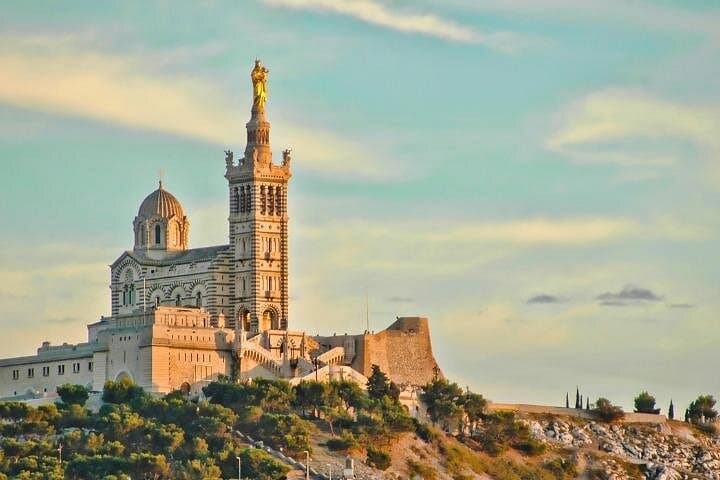
Walk from Marseille’s bustling Old Port up to the gilded Notre‑Dame de la Garde with an app that narrates 2,600 years of history. This self‑guided route combines harbor life, hidden alleys, and panoramic viewpoints over a 2–3 hour stroll.
Walk from Marseille’s bustling Old Port up to the gilded Notre‑Dame de la Garde with an app that narrates 2,600 years of history. This self‑guided route combines harbor life, hidden alleys, and panoramic viewpoints over a 2–3 hour stroll.
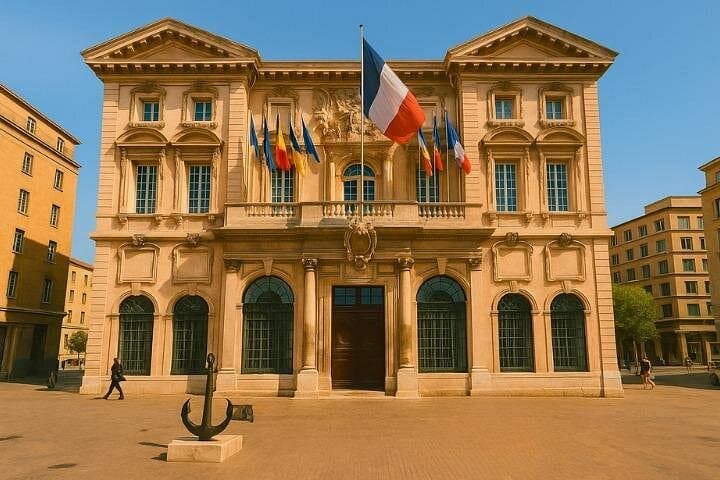
You step onto the Quai du Port and the Mediterranean leans in—blue light striking masts, gulls daring you to look up. The city hums around the harbor: fishermen, café terraces, and the modern mirror of L'Ombrière reflecting passerby faces.
Verified experiences and guided adventures in the surrounding area.
Operated by Trippy Tour Guide · Marseille, Provence-Alpes-Côte d'Azur
You step onto the Quai du Port and the Mediterranean leans in—blue light striking masts, gulls daring you to look up. The city hums around the harbor: fishermen, café terraces, and the modern mirror of L'Ombrière reflecting passerby faces.
This route threads 2,600 years of history: a Phoenician landing turned Roman port, medieval abbeys, and Napoleonic sightlines at Palais du Pharo. Geology is plain in the limestone cliffs that the basilica crowns; the hill that hosts Notre‑Dame de la Garde is an island of rock above urban mosaics. Culture here is salt, shipyards, and a layered immigrant pulse—markets, churches, and wartime markers like Le Char Jeanne d'Arc recall Marseille’s strategic past.
The app-guided tour parcels the city into bite-sized narration: port plazas, narrow Le Panier alleys, Fort Saint‑Nicholas ramparts, and the final climb to the basilica for a wide, sweeping view where the sea seems to push the city forward. Expect mostly paved streets, occasional cobbles, and a steady uphill to the basilica—comfortable shoes matter.
Practical notes: plan 2–3 hours, download maps for offline use, and start early for cooler light and fewer crowds. Hydrate—shops dot the way but can be spaced between sites. The experience is flexible: linger in a museum, pause on a waterfront bench, or follow a side street to a bakery. This is less a race than a paced conversation with Marseille—listen, look, and let the city’s edges teach you its stories.
No; the tour includes a fully offline map and downloadable narration so you can follow the route without mobile data once content is downloaded.
Much of the Old Port is paved, but cobbles, steps, and the steep sections toward Notre‑Dame de la Garde limit full accessibility—check specific segments on the app for alternative paths.
This is an instant, mobile ticket with free cancellation up to 24 hours before the scheduled start; the experience is self‑paced so you can begin any time within your booking window if specified.
Yes—families can tailor the pace; expect child-friendly narration but plan for the uphill climb and keep younger children close on narrow alleys.
Trippy Tour Guide operates guided outdoor trips and adventures with an emphasis on safety, stewardship, and memorable experiences.


You step onto the Quai du Port and the Mediterranean leans in—blue light striking masts, gulls daring you to look up. The city hums around the harbor: fishermen, café terraces, and the modern mirror of L'Ombrière reflecting passerby faces.
You step onto the Quai du Port and the Mediterranean leans in—blue light striking masts, gulls daring you to look up. The city hums around the harbor: fishermen, café terraces, and the modern mirror of L'Ombrière reflecting passerby faces.
This route threads 2,600 years of history: a Phoenician landing turned Roman port, medieval abbeys, and Napoleonic sightlines at Palais du Pharo. Geology is plain in the limestone cliffs that the basilica crowns; the hill that hosts Notre‑Dame de la Garde is an island of rock above urban mosaics. Culture here is salt, shipyards, and a layered immigrant pulse—markets, churches, and wartime markers like Le Char Jeanne d'Arc recall Marseille’s strategic past.
The app-guided tour parcels the city into bite-sized narration: port plazas, narrow Le Panier alleys, Fort Saint‑Nicholas ramparts, and the final climb to the basilica for a wide, sweeping view where the sea seems to push the city forward. Expect mostly paved streets, occasional cobbles, and a steady uphill to the basilica—comfortable shoes matter.
Practical notes: plan 2–3 hours, download maps for offline use, and start early for cooler light and fewer crowds. Hydrate—shops dot the way but can be spaced between sites. The experience is flexible: linger in a museum, pause on a waterfront bench, or follow a side street to a bakery. This is less a race than a paced conversation with Marseille—listen, look, and let the city’s edges teach you its stories.