THE ADVENTURE COLLECTIVE® · Independent discovery and booking for outdoor travel

A private full-day from Marseille to Cassis that pairs city history with coastal geology. Visit Notre-Dame de la Garde, drive the Route des Crêtes and spend time in Cassis and the Calanques for photo stops and local tastes.
A private full-day from Marseille to Cassis that pairs city history with coastal geology. Visit Notre-Dame de la Garde, drive the Route des Crêtes and spend time in Cassis and the Calanques for photo stops and local tastes.
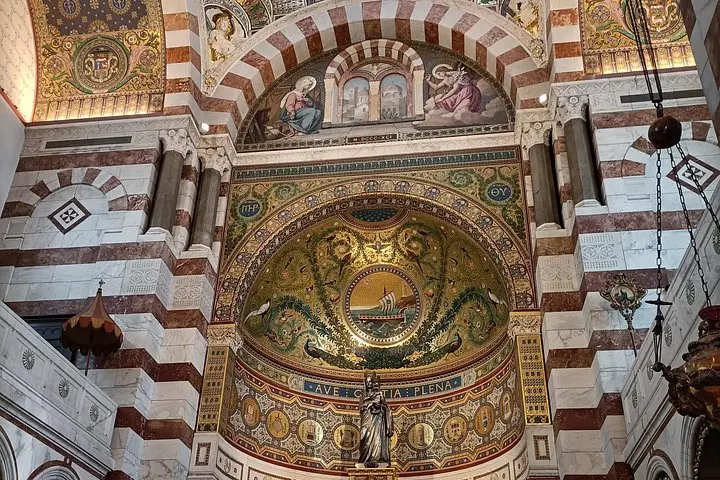
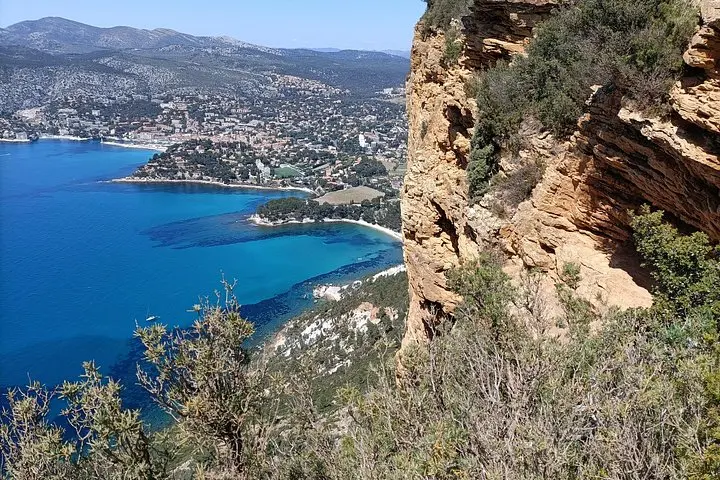
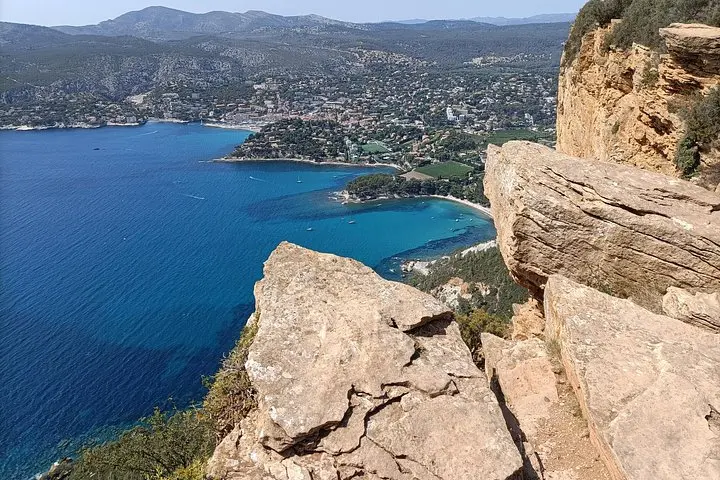
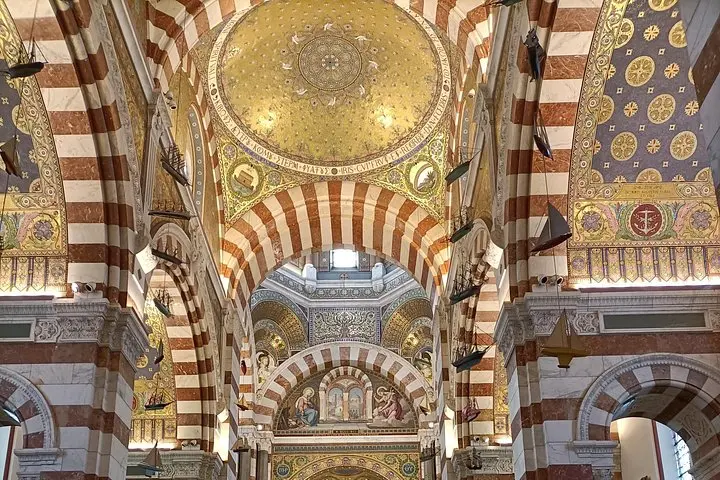
You step out of an air-conditioned van onto a limestone ridge and the Mediterranean opens like a command: blue that pushes the eye toward Crete and cliffs that dare you to look down. The day moves between city streets and sea-scraped headlands — a curated sweep from Marseille’s Old Port up to Notre-Dame de la Garde, then along the Route des Crêtes to the harbor town of Cassis and the dramatic inlets of the Calanques.
Verified experiences and guided adventures in the surrounding area.
Operated by MARSEILLE DRIVER · Marseille, Bouches-du-Rhône
You step out of an air-conditioned van onto a limestone ridge and the Mediterranean opens like a command: blue that pushes the eye toward Crete and cliffs that dare you to look down. The day moves between city streets and sea-scraped headlands — a curated sweep from Marseille’s Old Port up to Notre-Dame de la Garde, then along the Route des Crêtes to the harbor town of Cassis and the dramatic inlets of the Calanques.
Marseille’s story begins with Greek settlers in the 7th century BCE; the city’s fabric bears Roman foundations, medieval chapels and modern port life. Geologically, the calanques are limestone cliffs carved by karst processes and Mediterranean erosion, producing narrow fjord-like coves and sheer bluffs. Cassis evolved as a fishing and wine village; its small vineyards still produce dry, fruity rosés that pair neatly with the sea breeze.
Cultural notes: Le Panier’s narrow lanes hold artisan shops and the old bakery Le Four des Navettes, where a local biscuit keeps a centuries-old recipe. Natural notes: kestrels wheel above Cap Canaille and the salt air carries the scent of rosemary along scrubby maquis.
Practical guidance: expect 5–6 hours with multiple short stops for photos and short walks; wear sturdy shoes for uneven coastal viewpoints, bring sun protection and a light layer for wind on the ridge. Hydrate — bottled water is provided — and allow time at Cassis harbor for a leisurely lunch or wine tasting before the return to Marseille.
Pickup options are asked at booking; many departures begin in central Marseille (hotel or port pickup) — confirm your pickup point when you book.
Expect multiple short walks (10–20 minutes) at viewpoints and in Cassis; the tour is classified as easy but includes steps and uneven terrain.
The tour notes that admission is not applicable for most stops; any extra museum admissions or optional tastings are typically paid locally.
Language options depend on the local guide; confirm preferred language when booking to ensure availability.
MARSEILLE DRIVER operates guided outdoor trips and adventures with an emphasis on safety, stewardship, and memorable experiences.
You step out of an air-conditioned van onto a limestone ridge and the Mediterranean opens like a command: blue that pushes the eye toward Crete and cliffs that dare you to look down. The day moves between city streets and sea-scraped headlands — a curated sweep from Marseille’s Old Port up to Notre-Dame de la Garde, then along the Route des Crêtes to the harbor town of Cassis and the dramatic inlets of the Calanques.
You step out of an air-conditioned van onto a limestone ridge and the Mediterranean opens like a command: blue that pushes the eye toward Crete and cliffs that dare you to look down. The day moves between city streets and sea-scraped headlands — a curated sweep from Marseille’s Old Port up to Notre-Dame de la Garde, then along the Route des Crêtes to the harbor town of Cassis and the dramatic inlets of the Calanques.
Marseille’s story begins with Greek settlers in the 7th century BCE; the city’s fabric bears Roman foundations, medieval chapels and modern port life. Geologically, the calanques are limestone cliffs carved by karst processes and Mediterranean erosion, producing narrow fjord-like coves and sheer bluffs. Cassis evolved as a fishing and wine village; its small vineyards still produce dry, fruity rosés that pair neatly with the sea breeze.
Cultural notes: Le Panier’s narrow lanes hold artisan shops and the old bakery Le Four des Navettes, where a local biscuit keeps a centuries-old recipe. Natural notes: kestrels wheel above Cap Canaille and the salt air carries the scent of rosemary along scrubby maquis.
Practical guidance: expect 5–6 hours with multiple short stops for photos and short walks; wear sturdy shoes for uneven coastal viewpoints, bring sun protection and a light layer for wind on the ridge. Hydrate — bottled water is provided — and allow time at Cassis harbor for a leisurely lunch or wine tasting before the return to Marseille.