THE ADVENTURE COLLECTIVE® · Independent discovery and booking for outdoor travel

Float down the Martha Brae on a hand-steered bamboo raft and trade the island’s road rush for three hours of slow current, local stories, and riverside culture. This easy, family-friendly outing pairs natural scenery with history and door-to-door pickup from Falmouth.
Float down the Martha Brae on a hand-steered bamboo raft and trade the island’s road rush for three hours of slow current, local stories, and riverside culture. This easy, family-friendly outing pairs natural scenery with history and door-to-door pickup from Falmouth.
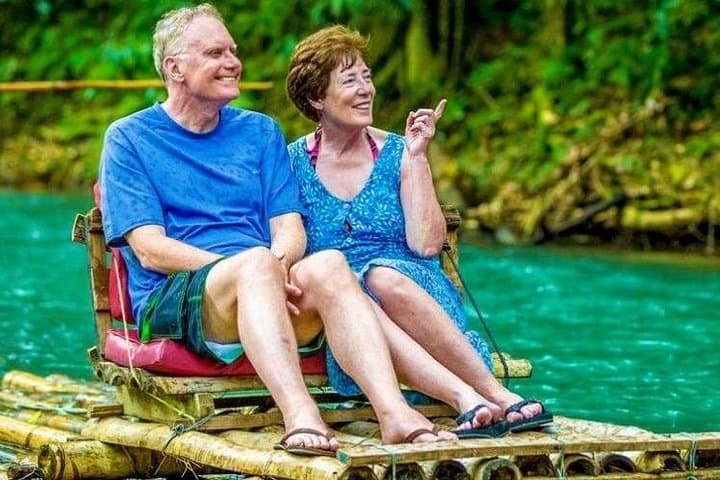
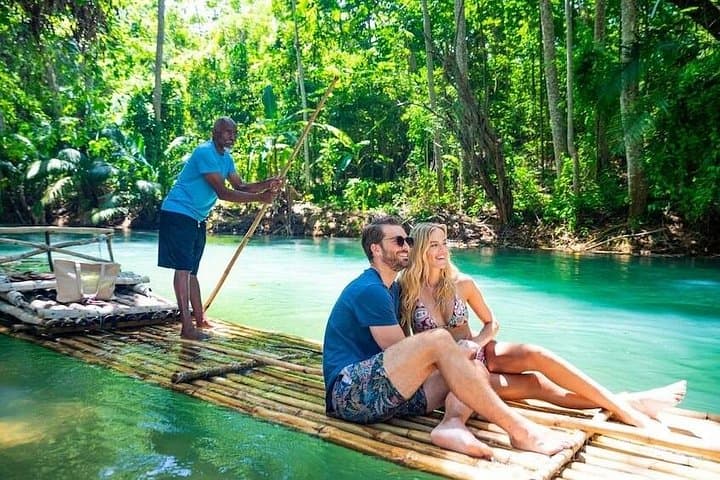
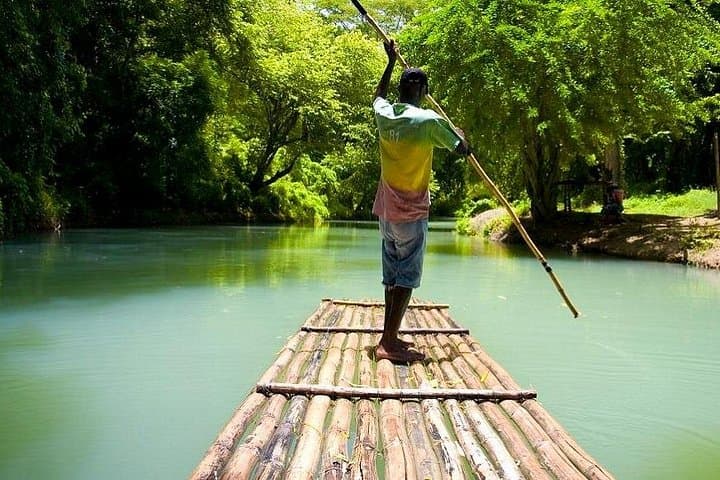
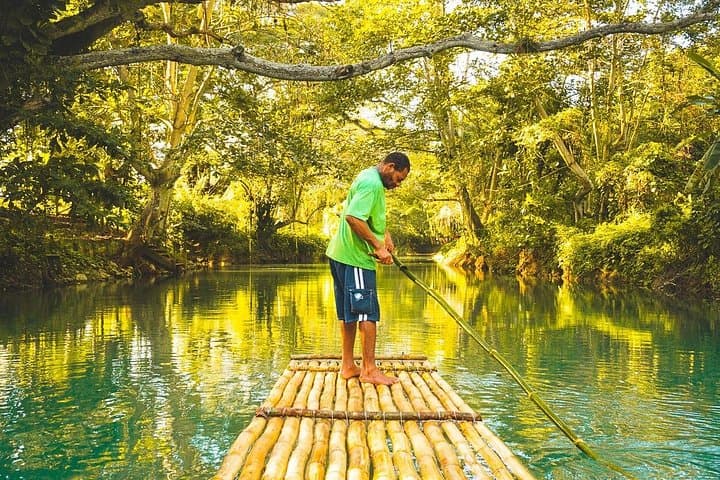
The raft moves with a pleasant lack of hurry. A lone guide stands at the stern, pole in hand, nudging the bamboo platform through a ribbon of water that threads between mangrove thickets and low limestone banks. Leaves slap the surface like soft applause; birds call from the canopy. For three hours — including pickup from Falmouth — the Martha Brae River dares you to slow down, to trade the speed of the highway for a steady, human-powered glide.
Verified experiences and guided adventures in the surrounding area.
Operated by Travel Jamaica Trips · Falmouth, Trelawny
The raft moves with a pleasant lack of hurry. A lone guide stands at the stern, pole in hand, nudging the bamboo platform through a ribbon of water that threads between mangrove thickets and low limestone banks. Leaves slap the surface like soft applause; birds call from the canopy. For three hours — including pickup from Falmouth — the Martha Brae River dares you to slow down, to trade the speed of the highway for a steady, human-powered glide.
This is not whitewater: it’s cultural and geological travel as much as it is a boat ride. The river runs through limestone and alluvial flats carved during the island’s long, humid epochs. You’ll pass small farms, sugarcane fields, and reed-fringed bends where local folklore hangs as thick as the humidity. Locals tell a story of Martha Brae, a woman whose name became shorthand for the river after colonial-era encounters; stories like this are part of how Jamaicans keep place alive — through memory, music, and small acts of hospitality.
Guides on the rafts are storytellers first. While you glide, they point out medicinal plants, explain river ecology, and recount the plantation-era history that shaped this shoreline. The experience feels domestic and elemental: the raft itself, a simple craft of lashed bamboo, presses a direct line to traditional boatworking on the island.
Expect a calm pace with a strong local flavor. The water is slow, the current patient, and wildlife is subtle — herons, kingfishers, the occasional iguana basking on a sunlit root. Photography is easy from the raft: low-angle shots of overhanging branches, portraits framed by ripples, and wide compositions that include river, bank, and distant palms.
Practical details matter. The trip runs about three hours door-to-door and includes hotel or port pickup in Falmouth. It’s accessible to most ages and fitness levels; the raft is steady and crewed. Bring lightweight, quick-dry clothing, a hat, reef-safe sunscreen, and water shoes. If you want shade, request a guide who knows the deeper tree canopies — not all sections offer the same cover.
There’s also a conservation angle: the river supports local livelihoods, and operators often work with community initiatives to limit litter and protect riparian plants. Tipping guides, carrying out your trash, and using reef-safe lotions are small, effective ways to keep the river in good shape.
If your ideal day in Jamaica is measured in slow currents, local stories, and a horizon framed by palms, Martha Brae’s bamboo rafts deliver. It’s respite with context — a way to witness landscape, history, and island life while the river carries you forward.
The activity runs about three hours total including pickup and return; the on-river portion is roughly an hour to 90 minutes depending on route.
Yes — the ride is calm and family-friendly; infants must sit on a lap and guides assist with boarding.
No — guides steer and handle the raft; no technical skills are required.
Light, quick-dry clothing, water shoes, a hat, and reef-safe sunscreen; bring a small dry bag for electronics.
Yes — the tour offers hotel and port pickup in Falmouth as listed on booking confirmation.
Operators typically run in light rain but may cancel for severe weather; check cancellation and refund terms when booking.
Travel Jamaica Trips operates guided outdoor trips and adventures with an emphasis on safety, stewardship, and memorable experiences.
The raft moves with a pleasant lack of hurry. A lone guide stands at the stern, pole in hand, nudging the bamboo platform through a ribbon of water that threads between mangrove thickets and low limestone banks. Leaves slap the surface like soft applause; birds call from the canopy. For three hours — including pickup from Falmouth — the Martha Brae River dares you to slow down, to trade the speed of the highway for a steady, human-powered glide.
The raft moves with a pleasant lack of hurry. A lone guide stands at the stern, pole in hand, nudging the bamboo platform through a ribbon of water that threads between mangrove thickets and low limestone banks. Leaves slap the surface like soft applause; birds call from the canopy. For three hours — including pickup from Falmouth — the Martha Brae River dares you to slow down, to trade the speed of the highway for a steady, human-powered glide.
This is not whitewater: it’s cultural and geological travel as much as it is a boat ride. The river runs through limestone and alluvial flats carved during the island’s long, humid epochs. You’ll pass small farms, sugarcane fields, and reed-fringed bends where local folklore hangs as thick as the humidity. Locals tell a story of Martha Brae, a woman whose name became shorthand for the river after colonial-era encounters; stories like this are part of how Jamaicans keep place alive — through memory, music, and small acts of hospitality.
Guides on the rafts are storytellers first. While you glide, they point out medicinal plants, explain river ecology, and recount the plantation-era history that shaped this shoreline. The experience feels domestic and elemental: the raft itself, a simple craft of lashed bamboo, presses a direct line to traditional boatworking on the island.
Expect a calm pace with a strong local flavor. The water is slow, the current patient, and wildlife is subtle — herons, kingfishers, the occasional iguana basking on a sunlit root. Photography is easy from the raft: low-angle shots of overhanging branches, portraits framed by ripples, and wide compositions that include river, bank, and distant palms.
Practical details matter. The trip runs about three hours door-to-door and includes hotel or port pickup in Falmouth. It’s accessible to most ages and fitness levels; the raft is steady and crewed. Bring lightweight, quick-dry clothing, a hat, reef-safe sunscreen, and water shoes. If you want shade, request a guide who knows the deeper tree canopies — not all sections offer the same cover.
There’s also a conservation angle: the river supports local livelihoods, and operators often work with community initiatives to limit litter and protect riparian plants. Tipping guides, carrying out your trash, and using reef-safe lotions are small, effective ways to keep the river in good shape.
If your ideal day in Jamaica is measured in slow currents, local stories, and a horizon framed by palms, Martha Brae’s bamboo rafts deliver. It’s respite with context — a way to witness landscape, history, and island life while the river carries you forward.