THE ADVENTURE COLLECTIVE® · Independent discovery and booking for outdoor travel

Walk the streets that shaped Dr. Martin Luther King Jr.—from his childhood home and Ebenezer Baptist Church to the reflective pool at the King Center. This 90‑minute tour pairs neighborhood context with the exhibits and stories behind a movement.
Walk the streets that shaped Dr. Martin Luther King Jr.—from his childhood home and Ebenezer Baptist Church to the reflective pool at the King Center. This 90‑minute tour pairs neighborhood context with the exhibits and stories behind a movement.
You step off Auburn Avenue and the city’s pulse narrows to the pace of your feet. The guide waits in front of Ebenezer Baptist Church, voices soft against the stone and stained glass, and the sidewalk becomes a timeline: a childhood house, a church pulpit, a memorial pool that catches the sky.
Verified experiences and guided adventures in the surrounding area.
Operated by Atlanta Tours and Leisure · Atlanta, Georgia
You step off Auburn Avenue and the city’s pulse narrows to the pace of your feet. The guide waits in front of Ebenezer Baptist Church, voices soft against the stone and stained glass, and the sidewalk becomes a timeline: a childhood house, a church pulpit, a memorial pool that catches the sky.
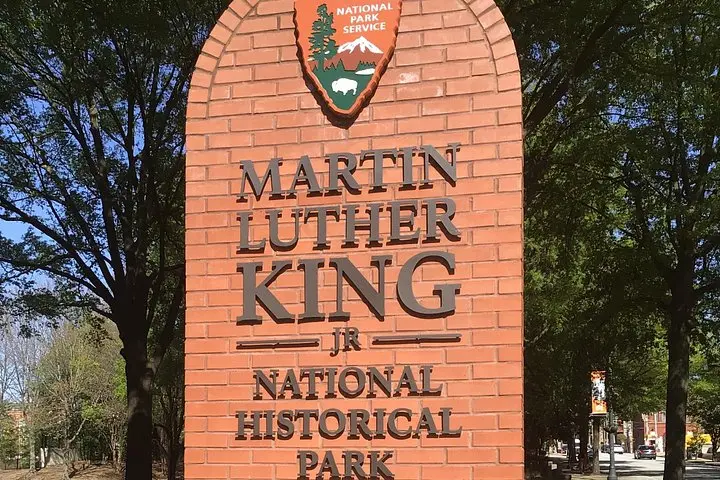
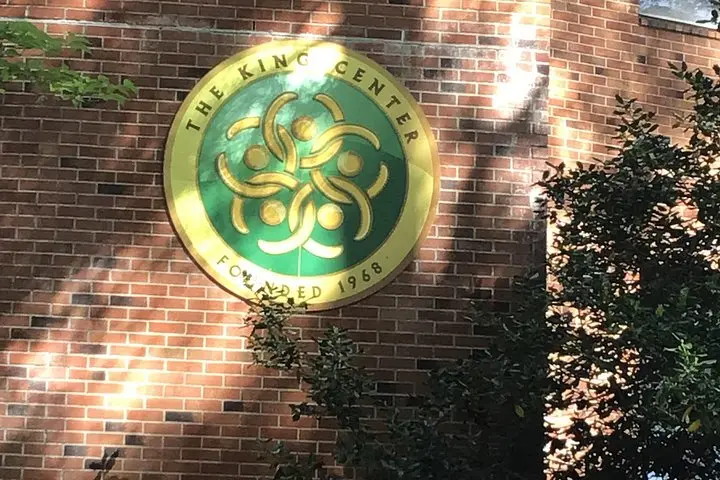
This 90‑minute walking tour moves through the neighborhoods and institutions that shaped Dr. Martin Luther King Jr.—Sweet Auburn’s commercial blocks where Black prosperity and politics met in the 1950s, the modest King family home, and the reflective space of the King Center where the Eternal Flame marks the final resting place.
Geology is subtle here: reclaimed urban lots, brick facades, and tree‑lined streets that hint at Atlanta’s growth from railroad hub to regional center. The cultural fabric runs deeper—Baptist preaching traditions, mid‑20th‑century civil rights organizing, and the memorialization of nonviolent activism are all visible in architecture and museum exhibits.
Practical guidance: the route is flat and wheelchair accessible, so moderate mobility needs are easily met, but bring comfortable shoes and water. Expect stops for photo opportunities, museum exhibits, and interpretive stories that place speeches and marches in neighborhood context. Public transit (MARTA) and limited street parking are close by; arrive 10–15 minutes early to meet the group. Keep questions ready—guides weave personal, political, and historical threads together—and allow time afterward to visit Freedom Hall and the APEX Museum if you want deeper context.
Meet in front of Ebenezer Baptist Church on Auburn Avenue; the tour also ends there after visiting nearby sites including the King Center.
Yes—routes and exhibits noted by the operator are wheelchair accessible; notify the booking of any special requirements.
The tour is approximately 90 minutes with multiple stops including Ebenezer Baptist Church, the King family home area, the King Center memorial, and museum exhibits.
Standard cancellation allows a full refund if you cancel at least 24 hours before the scheduled departure time; check your booking confirmation for details.
Atlanta Tours and Leisure operates guided outdoor trips and adventures with an emphasis on safety, stewardship, and memorable experiences.
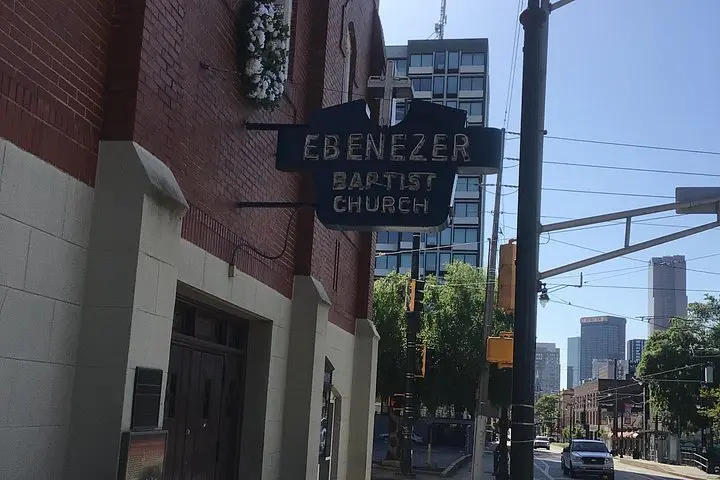

You step off Auburn Avenue and the city’s pulse narrows to the pace of your feet. The guide waits in front of Ebenezer Baptist Church, voices soft against the stone and stained glass, and the sidewalk becomes a timeline: a childhood house, a church pulpit, a memorial pool that catches the sky.
You step off Auburn Avenue and the city’s pulse narrows to the pace of your feet. The guide waits in front of Ebenezer Baptist Church, voices soft against the stone and stained glass, and the sidewalk becomes a timeline: a childhood house, a church pulpit, a memorial pool that catches the sky.
This 90‑minute walking tour moves through the neighborhoods and institutions that shaped Dr. Martin Luther King Jr.—Sweet Auburn’s commercial blocks where Black prosperity and politics met in the 1950s, the modest King family home, and the reflective space of the King Center where the Eternal Flame marks the final resting place.
Geology is subtle here: reclaimed urban lots, brick facades, and tree‑lined streets that hint at Atlanta’s growth from railroad hub to regional center. The cultural fabric runs deeper—Baptist preaching traditions, mid‑20th‑century civil rights organizing, and the memorialization of nonviolent activism are all visible in architecture and museum exhibits.
Practical guidance: the route is flat and wheelchair accessible, so moderate mobility needs are easily met, but bring comfortable shoes and water. Expect stops for photo opportunities, museum exhibits, and interpretive stories that place speeches and marches in neighborhood context. Public transit (MARTA) and limited street parking are close by; arrive 10–15 minutes early to meet the group. Keep questions ready—guides weave personal, political, and historical threads together—and allow time afterward to visit Freedom Hall and the APEX Museum if you want deeper context.