THE ADVENTURE COLLECTIVE® · Independent discovery and booking for outdoor travel

Combine easy rainforest walks with rum tasting and a tour of Saint-Pierre’s volcanic ruins on this five-hour food-and-culture excursion. Expect waterfalls, a grey-sand beach stop, distillery visits and historic commentary tied to Mount Pelée’s 1902 eruption.
Combine easy rainforest walks with rum tasting and a tour of Saint-Pierre’s volcanic ruins on this five-hour food-and-culture excursion. Expect waterfalls, a grey-sand beach stop, distillery visits and historic commentary tied to Mount Pelée’s 1902 eruption.
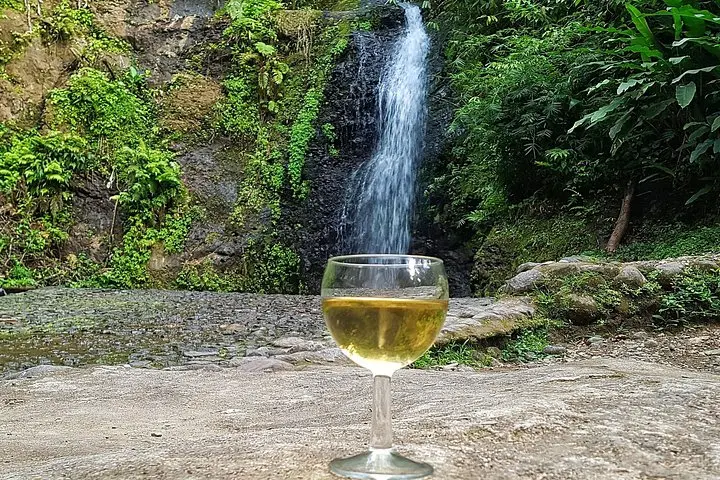
You step out of the minivan into a humid shaft of green: ferns lean in, birds flick through light, and the scent of sugarcane and cooking spice rides the air. This five-hour Pile et Face tour threads easy forest walks, a short waterfall descent and stops in Saint-Pierre where volcanic history meets lively rum culture.
Verified experiences and guided adventures in the surrounding area.
Operated by Karambole Tours · Saint-Pierre, Martinique
You step out of the minivan into a humid shaft of green: ferns lean in, birds flick through light, and the scent of sugarcane and cooking spice rides the air. This five-hour Pile et Face tour threads easy forest walks, a short waterfall descent and stops in Saint-Pierre where volcanic history meets lively rum culture.
Saint-Pierre was Martinique’s commercial hub until Mount Pelée’s 1902 eruption devastated the town—the tour pauses at the Sylbaris cell and the shoreline ruins, putting human history beside the island’s restless geology. The island’s volcanic soils feed sugarcane and the molasses that become agricole rum; a distillery visit (including its historical “castle” and industrial wing) frames tasting in context.
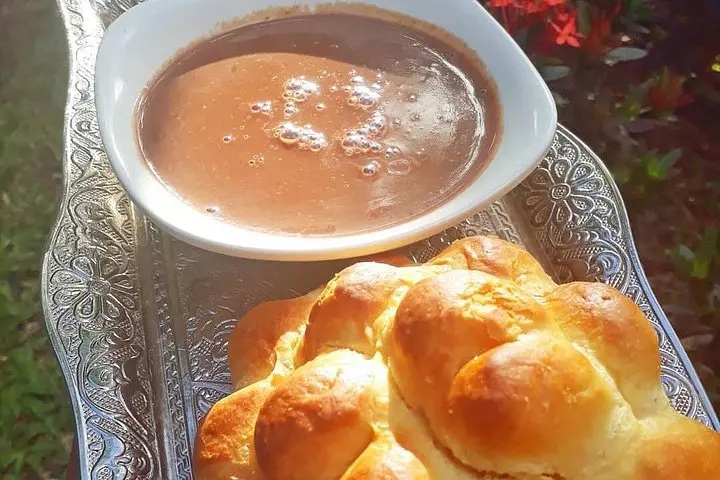
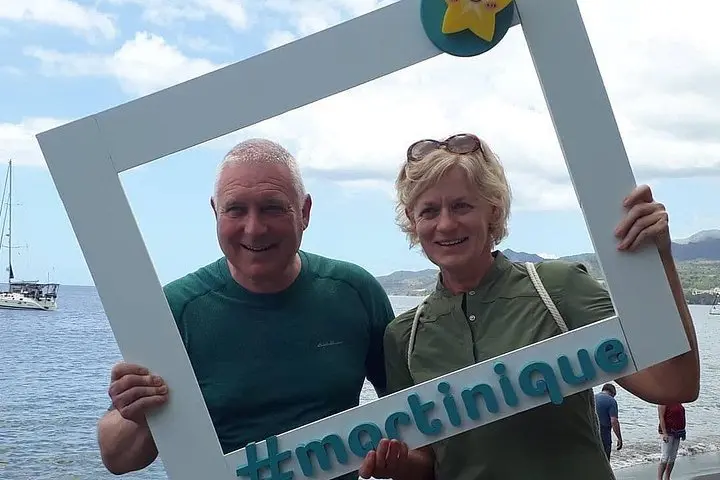
Between stops you’ll pass the Alma River and a grey-sand beach, and sample Martinican pastries, bottled water and local spirits. Terrain is short paved or packed-earth walks with occasional stairs; no steep scrambles, but humidity makes the pace feel brisk.
Practical notes: bring quick-dry layers and a sun hat, plan for 5 hours with several short on-foot segments, and carry cash for small purchases. The tour is suitable for most fitness levels and families, but expect uneven surfaces at ruins and the waterfall access.
If you want cultural texture, listen for Creole in market chatter and ask about rhum agricole production—hosts typically explain fermentation and aging. This is a sensory tour: history, geology and flavor converge neatly into an accessible half-day adventure.
The tour lasts about five hours with several short walks (10–30 minutes each) including a descent to a waterfall and short walks around Saint-Pierre ruins—nothing strenuous.
Yes—pastries, bottled water and alcoholic beverages (rum, wine, beer) are included as samples but they do not replace a full meal.
You’ll see both the historic and industrial sides of the distillery and participate in a guided tasting, though access varies by site and the visit is typically a short, structured stop.
The operator notes stroller accessibility and infant seats are available, but expect uneven surfaces at some historic sites and beach areas.
Karambole Tours operates guided outdoor trips and adventures with an emphasis on safety, stewardship, and memorable experiences.

You step out of the minivan into a humid shaft of green: ferns lean in, birds flick through light, and the scent of sugarcane and cooking spice rides the air. This five-hour Pile et Face tour threads easy forest walks, a short waterfall descent and stops in Saint-Pierre where volcanic history meets lively rum culture.
You step out of the minivan into a humid shaft of green: ferns lean in, birds flick through light, and the scent of sugarcane and cooking spice rides the air. This five-hour Pile et Face tour threads easy forest walks, a short waterfall descent and stops in Saint-Pierre where volcanic history meets lively rum culture.
Saint-Pierre was Martinique’s commercial hub until Mount Pelée’s 1902 eruption devastated the town—the tour pauses at the Sylbaris cell and the shoreline ruins, putting human history beside the island’s restless geology. The island’s volcanic soils feed sugarcane and the molasses that become agricole rum; a distillery visit (including its historical “castle” and industrial wing) frames tasting in context.
Between stops you’ll pass the Alma River and a grey-sand beach, and sample Martinican pastries, bottled water and local spirits. Terrain is short paved or packed-earth walks with occasional stairs; no steep scrambles, but humidity makes the pace feel brisk.
Practical notes: bring quick-dry layers and a sun hat, plan for 5 hours with several short on-foot segments, and carry cash for small purchases. The tour is suitable for most fitness levels and families, but expect uneven surfaces at ruins and the waterfall access.
If you want cultural texture, listen for Creole in market chatter and ask about rhum agricole production—hosts typically explain fermentation and aging. This is a sensory tour: history, geology and flavor converge neatly into an accessible half-day adventure.