THE ADVENTURE COLLECTIVE® · Independent discovery and booking for outdoor travel

Ascend the Herodian fortress of Masada by cable car, explore first-century ruins, then float in the mineral-rich waters of the Dead Sea. This full-day trip from Jerusalem combines history, geology and a unique buoyant swim.
Ascend the Herodian fortress of Masada by cable car, explore first-century ruins, then float in the mineral-rich waters of the Dead Sea. This full-day trip from Jerusalem combines history, geology and a unique buoyant swim.
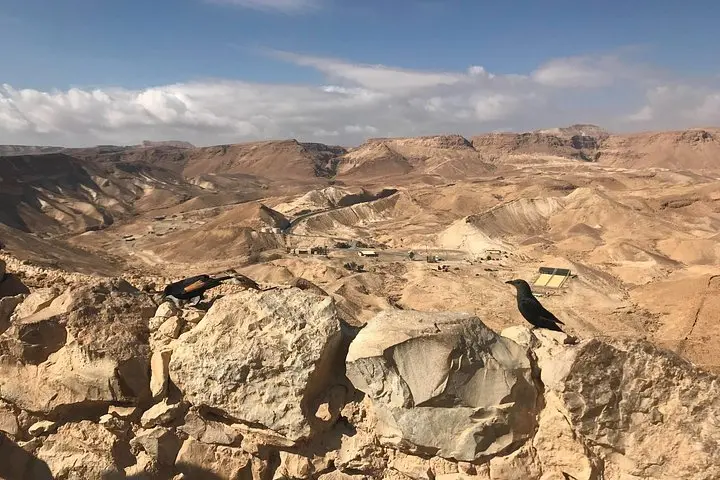
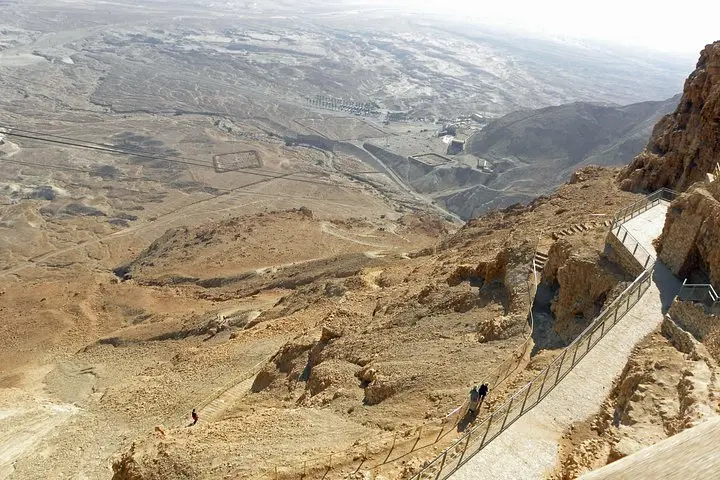
The coach drops you at the base of a sheer limestone plateau and the desert wind pushes a fine, salty dust across the road. From the cable car platform you look down at the Dead Sea’s glassy, mineral-streaked surface — an impossible basin that holds the lowest shoreline on earth — and up at Masada’s flat-topped fortress, a rugged crown carved by millennia of heat and erosion.
Verified experiences and guided adventures in the surrounding area.
Operated by Genesis Boutique Travel · Masada, Southern District
The coach drops you at the base of a sheer limestone plateau and the desert wind pushes a fine, salty dust across the road. From the cable car platform you look down at the Dead Sea’s glassy, mineral-streaked surface — an impossible basin that holds the lowest shoreline on earth — and up at Masada’s flat-topped fortress, a rugged crown carved by millennia of heat and erosion.
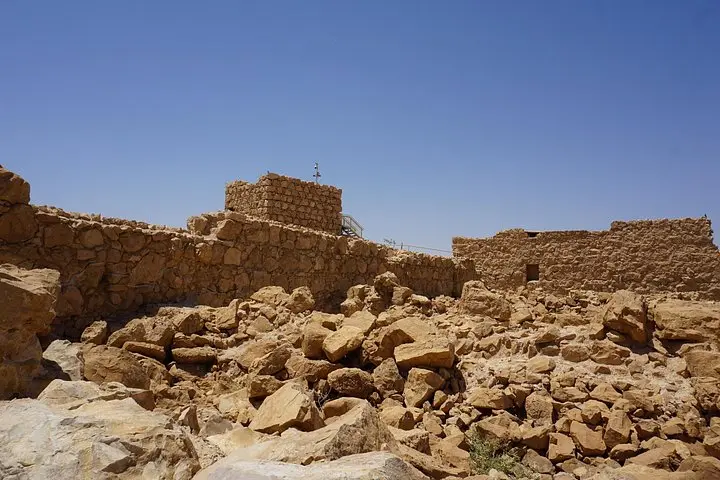
Masada is a Herodian stronghold that became a symbol after the first-century siege; walk its ruins and you encounter palaces, cisterns, mosaic fragments and a synagogue that tell of sophisticated engineering and fierce resistance. Geologically the Dead Sea sits in the Jordan Rift Valley, where tectonic pull and evaporation have concentrated salts and minerals for thousands of years. Nearby Qumran caves, visible from the road, are where the Dead Sea Scrolls were found, connecting the landscape to a deep cultural and textual history.
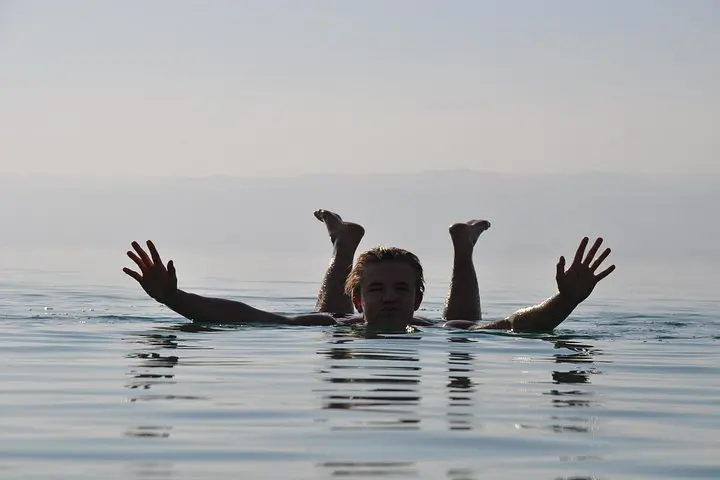
The tour typically splits your time between a guided circuit of the Masada plateau — reached by cable car unless you choose the steep Snake Path — and a relaxed Dead Sea stop for floating and mineral-mud application. Expect rocky walking under bright sun, strong reflections off the water, and warm, dry desert air that reminds you to drink often.
Practical notes: travel time on this shared day trip is about seven hours with two-hour stops at each major site; bring sunscreen, a swimsuit, a towel, closed-toe shoes for ruins, and electrolyte drinks. Avoid shaving before the Dead Sea dip; the salt is abrasive. Time your visit earlier in the day in summer for cooler temperatures and clearer light.
The tour is approximately 7 hours long with two-hour visits at Masada and the Dead Sea; transportation, a guide, and access to the sites as described are included.
Yes—the Snake Path is a popular steep hike up Masada for fit visitors; the tour typically uses the cable car for ascent and descent but ask your operator about hiking options.
Floating is generally safe for healthy children and pregnant people, but avoid swallowing water, keep exposure short, and check with a doctor if you have medical concerns.
Most stops provide beach access and areas for mud application; facilities such as changing rooms or showers vary by beach—confirm amenities with the operator.
Genesis Boutique Travel operates guided outdoor trips and adventures with an emphasis on safety, stewardship, and memorable experiences.
The coach drops you at the base of a sheer limestone plateau and the desert wind pushes a fine, salty dust across the road. From the cable car platform you look down at the Dead Sea’s glassy, mineral-streaked surface — an impossible basin that holds the lowest shoreline on earth — and up at Masada’s flat-topped fortress, a rugged crown carved by millennia of heat and erosion.
The coach drops you at the base of a sheer limestone plateau and the desert wind pushes a fine, salty dust across the road. From the cable car platform you look down at the Dead Sea’s glassy, mineral-streaked surface — an impossible basin that holds the lowest shoreline on earth — and up at Masada’s flat-topped fortress, a rugged crown carved by millennia of heat and erosion.
Masada is a Herodian stronghold that became a symbol after the first-century siege; walk its ruins and you encounter palaces, cisterns, mosaic fragments and a synagogue that tell of sophisticated engineering and fierce resistance. Geologically the Dead Sea sits in the Jordan Rift Valley, where tectonic pull and evaporation have concentrated salts and minerals for thousands of years. Nearby Qumran caves, visible from the road, are where the Dead Sea Scrolls were found, connecting the landscape to a deep cultural and textual history.
The tour typically splits your time between a guided circuit of the Masada plateau — reached by cable car unless you choose the steep Snake Path — and a relaxed Dead Sea stop for floating and mineral-mud application. Expect rocky walking under bright sun, strong reflections off the water, and warm, dry desert air that reminds you to drink often.
Practical notes: travel time on this shared day trip is about seven hours with two-hour stops at each major site; bring sunscreen, a swimsuit, a towel, closed-toe shoes for ruins, and electrolyte drinks. Avoid shaving before the Dead Sea dip; the salt is abrasive. Time your visit earlier in the day in summer for cooler temperatures and clearer light.