THE ADVENTURE COLLECTIVE® · Independent discovery and booking for outdoor travel

Climb a 2,000-year-old fortress and float in the planet’s lowest sea on a single full-day guided tour. Expect desert geology, hard history, and practical advice on timing, hydration, and safety.
Climb a 2,000-year-old fortress and float in the planet’s lowest sea on a single full-day guided tour. Expect desert geology, hard history, and practical advice on timing, hydration, and safety.
At dawn the Masada plateau glows like baked clay, the Judean Desert breathing heat as the Dead Sea lies flat and glassy below. A licensed guide moves between ruins and ramps—some guests climb the Snake Path, others ride the cable car—and the silence of the desert becomes part of the visit.
Verified experiences and guided adventures in the surrounding area.
Operated by Ilya Pevzner Tour Guide Israel · Masada, Jerusalem District
At dawn the Masada plateau glows like baked clay, the Judean Desert breathing heat as the Dead Sea lies flat and glassy below. A licensed guide moves between ruins and ramps—some guests climb the Snake Path, others ride the cable car—and the silence of the desert becomes part of the visit.
Masada’s history is immediate: Herod the Great built the fortress in the 1st century BCE, and in 73–74 CE Jewish defenders chose resistance in a siege that still frames national memory. The rock records time: limestone beds lean toward the Dead Sea basin, the lowest exposed point on earth, where hyper-saline water refuses to let you sink.
Local life mixes archaeology, pilgrimage and the modern resort strip at Ein Bokek; nearby Kasr al-Yahud holds Christian baptism sites and Qumran preserves Dead Sea Scroll history.
Practical rhythms matter. Start early for cooler air and softer light; carry 2–3 liters of water, sturdy shoes, sun protection and a lightweight layer for mornings. Plan 6–9 hours total including travel, and expect moderate walking on uneven stone. To float safely, avoid shaving beforehand, rinse off after, and keep electronics sealed from salt. Cable car access and visitor facilities improve accessibility, but steep paths and desert heat make this unsuitable for some with spinal or serious cardiovascular conditions.
A guided Masada and Dead Sea day pairs sharp geology with human stories: you leave salty, sun-kissed, and with a firmer sense of how landscape and history press into each other. Bring a camera and curiosity.
You can choose either—many guests hike up and ride the cable car down (or reverse). The cable car reduces steep walking and is recommended in high heat or for limited mobility.
Yes; typical itineraries allocate about two hours at a Dead Sea beach for floating, rinsing and changing, but plan for salt exposure and protect electronics.
The visitor center and cable car at Masada offer improved accessibility, but ruins and some viewpoints involve steps or uneven ground; disclose mobility needs when booking.
Avoid shaving and open cuts, remove contact lenses, and don’t swallow the water—its high salinity irritates skin and eyes.
Ilya Pevzner Tour Guide Israel operates guided outdoor trips and adventures with an emphasis on safety, stewardship, and memorable experiences.
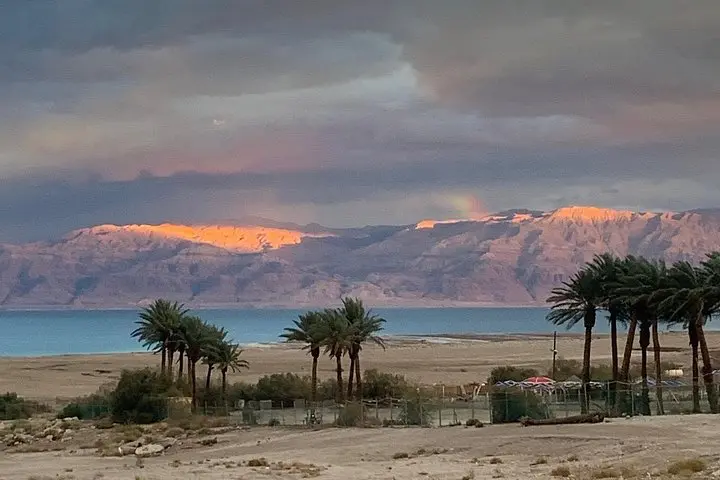
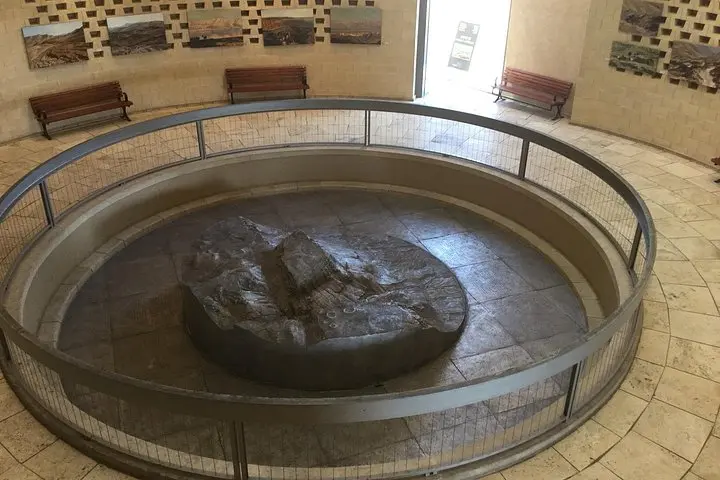
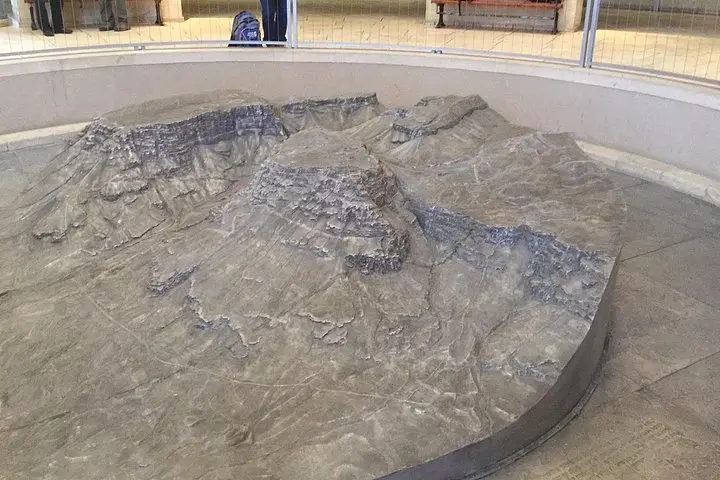
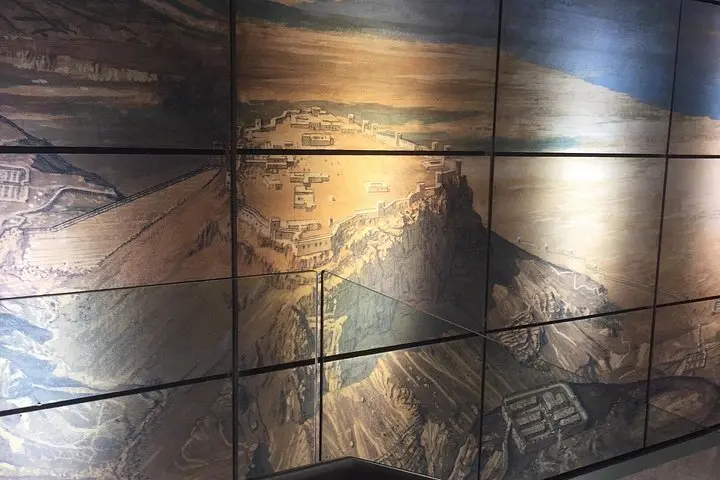
At dawn the Masada plateau glows like baked clay, the Judean Desert breathing heat as the Dead Sea lies flat and glassy below. A licensed guide moves between ruins and ramps—some guests climb the Snake Path, others ride the cable car—and the silence of the desert becomes part of the visit.
At dawn the Masada plateau glows like baked clay, the Judean Desert breathing heat as the Dead Sea lies flat and glassy below. A licensed guide moves between ruins and ramps—some guests climb the Snake Path, others ride the cable car—and the silence of the desert becomes part of the visit.
Masada’s history is immediate: Herod the Great built the fortress in the 1st century BCE, and in 73–74 CE Jewish defenders chose resistance in a siege that still frames national memory. The rock records time: limestone beds lean toward the Dead Sea basin, the lowest exposed point on earth, where hyper-saline water refuses to let you sink.
Local life mixes archaeology, pilgrimage and the modern resort strip at Ein Bokek; nearby Kasr al-Yahud holds Christian baptism sites and Qumran preserves Dead Sea Scroll history.
Practical rhythms matter. Start early for cooler air and softer light; carry 2–3 liters of water, sturdy shoes, sun protection and a lightweight layer for mornings. Plan 6–9 hours total including travel, and expect moderate walking on uneven stone. To float safely, avoid shaving beforehand, rinse off after, and keep electronics sealed from salt. Cable car access and visitor facilities improve accessibility, but steep paths and desert heat make this unsuitable for some with spinal or serious cardiovascular conditions.
A guided Masada and Dead Sea day pairs sharp geology with human stories: you leave salty, sun-kissed, and with a firmer sense of how landscape and history press into each other. Bring a camera and curiosity.