THE ADVENTURE COLLECTIVE® · Independent discovery and booking for outdoor travel

A private day from Tel Aviv that pairs the cliff-top ruins of Masada with the buoyant, mineral-rich waters of the Dead Sea. Expect archaeology, stark desert geology and a therapeutic float on the planet’s lowest shoreline.
A private day from Tel Aviv that pairs the cliff-top ruins of Masada with the buoyant, mineral-rich waters of the Dead Sea. Expect archaeology, stark desert geology and a therapeutic float on the planet’s lowest shoreline.
You arrive to the Judean Desert as the road drops toward the Dead Sea; sunlight slants across rust-colored slopes and a lone acacia leans against the wind. The trip crests at Masada, where a cable car delivers you to a high, flat plateau and the ruins of King Herod’s fortress—stone rooms, cisterns and the remains of palatial mosaics that still tell a logistical story of resistance and supply.
Verified experiences and guided adventures in the surrounding area.
Operated by Welcome Pickups · Masada, Southern District
You arrive to the Judean Desert as the road drops toward the Dead Sea; sunlight slants across rust-colored slopes and a lone acacia leans against the wind. The trip crests at Masada, where a cable car delivers you to a high, flat plateau and the ruins of King Herod’s fortress—stone rooms, cisterns and the remains of palatial mosaics that still tell a logistical story of resistance and supply.
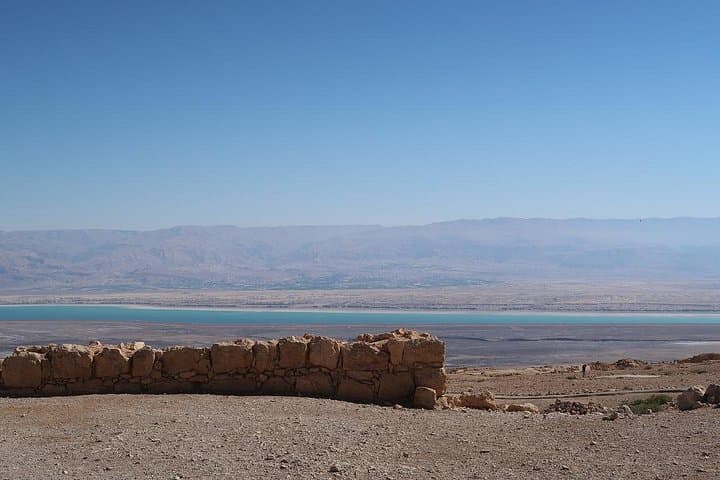
Masada sits on a geological promontory left by tectonic rifting along the Jordan Valley; the Dead Sea, 400 meters below sea level, presses back with mineral-dense water that lifts your body as surely as history lifts the site’s significance. On the drive you pass Ein Gedi’s springs and the Qumran caves, where the Dead Sea Scrolls were found—documents that reshape ideas about script and belief in antiquity.
Culturally the route stitches modern Israeli life to ancient Judean outposts: shepherding terraces, archaeological exhibits and simple roadside stalls selling dates.
Practical guidance: expect a full day (roughly nine hours) with two short walks—one across uneven ruins and one on a mineral beach. Bring layered sun protection, sturdy shoes for stone steps, and a towel for the bitterly salty water. Drivers supply local historical commentary but are not licensed guides; plan time for independent exploration at Masada and a mud bath at the Dead Sea. Start early to avoid midday heat, carry ample water, and protect electronics from salt spray. The landscape tests your senses—the wind pushes, the salt lifts, and the cliffs wait for your steps.
You can float and paddle but not traditional swim; the high salinity prevents normal swimming strokes and may sting eyes—enter cautiously and avoid submerging your head.
This private transfer typically does not include site admission—plan to buy Masada National Park tickets on arrival or in advance.
The cable car generally runs year-round but can close for maintenance or weather; check the park’s official site on your travel date.
Yes—drivers note the tour is physically easy overall, though Masada requires walking on uneven surfaces; cable car access reduces steep climbs for those with limited mobility.
Welcome Pickups operates guided outdoor trips and adventures with an emphasis on safety, stewardship, and memorable experiences.
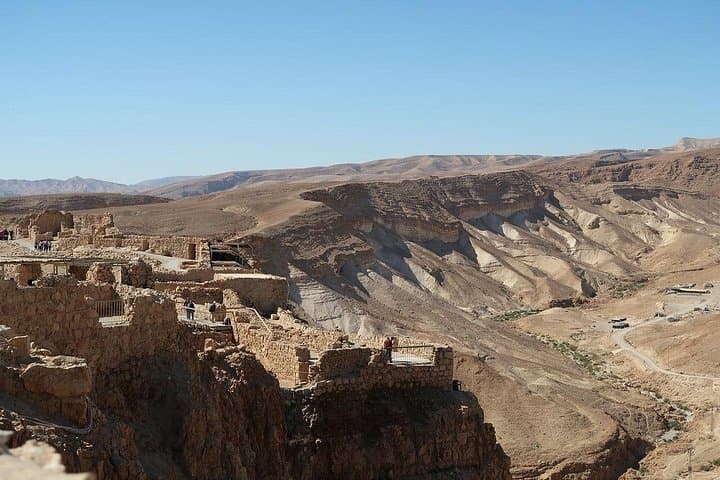
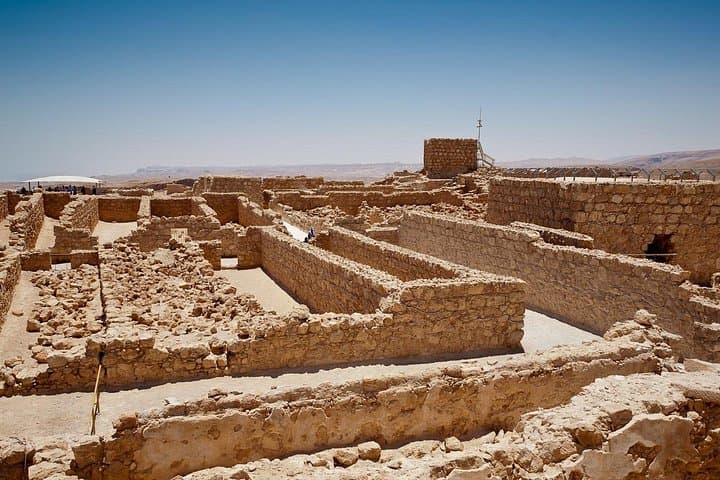
You arrive to the Judean Desert as the road drops toward the Dead Sea; sunlight slants across rust-colored slopes and a lone acacia leans against the wind. The trip crests at Masada, where a cable car delivers you to a high, flat plateau and the ruins of King Herod’s fortress—stone rooms, cisterns and the remains of palatial mosaics that still tell a logistical story of resistance and supply.
You arrive to the Judean Desert as the road drops toward the Dead Sea; sunlight slants across rust-colored slopes and a lone acacia leans against the wind. The trip crests at Masada, where a cable car delivers you to a high, flat plateau and the ruins of King Herod’s fortress—stone rooms, cisterns and the remains of palatial mosaics that still tell a logistical story of resistance and supply.
Masada sits on a geological promontory left by tectonic rifting along the Jordan Valley; the Dead Sea, 400 meters below sea level, presses back with mineral-dense water that lifts your body as surely as history lifts the site’s significance. On the drive you pass Ein Gedi’s springs and the Qumran caves, where the Dead Sea Scrolls were found—documents that reshape ideas about script and belief in antiquity.
Culturally the route stitches modern Israeli life to ancient Judean outposts: shepherding terraces, archaeological exhibits and simple roadside stalls selling dates.
Practical guidance: expect a full day (roughly nine hours) with two short walks—one across uneven ruins and one on a mineral beach. Bring layered sun protection, sturdy shoes for stone steps, and a towel for the bitterly salty water. Drivers supply local historical commentary but are not licensed guides; plan time for independent exploration at Masada and a mud bath at the Dead Sea. Start early to avoid midday heat, carry ample water, and protect electronics from salt spray. The landscape tests your senses—the wind pushes, the salt lifts, and the cliffs wait for your steps.