THE ADVENTURE COLLECTIVE® · Independent discovery and booking for outdoor travel

Stand atop Herod’s fortress and float in the mineral-dense waters of the Dead Sea on a day tour that pairs archaeology with an extraordinary natural phenomenon. Expect spectacular views, easy walks, and practical tips for making the most of both sites.
Stand atop Herod’s fortress and float in the mineral-dense waters of the Dead Sea on a day tour that pairs archaeology with an extraordinary natural phenomenon. Expect spectacular views, easy walks, and practical tips for making the most of both sites.
You arrive before the heat peaks: a dust-sweet wind pushes across the Judean slopes and the plateau of Masada rises like a blunt ship from the desert. The guide leads you through the remains of walls and terraces; the air smells faintly of sun-warmed stone and salt.
Verified experiences and guided adventures in the surrounding area.
Operated by Uopera tours · Masada, Southern District
You arrive before the heat peaks: a dust-sweet wind pushes across the Judean slopes and the plateau of Masada rises like a blunt ship from the desert. The guide leads you through the remains of walls and terraces; the air smells faintly of sun-warmed stone and salt.
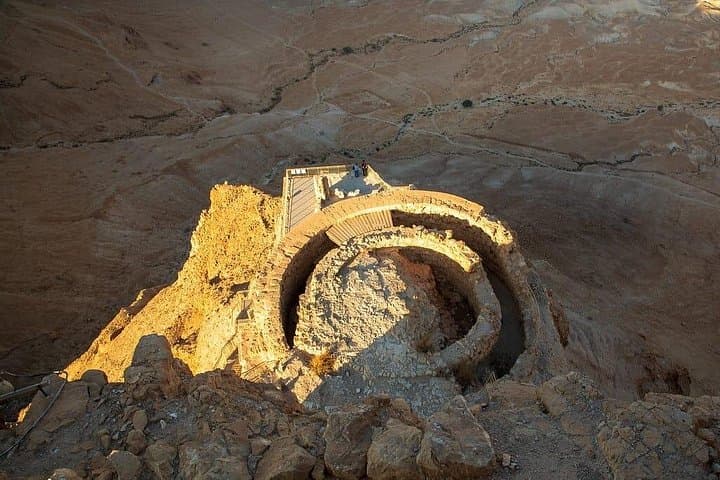
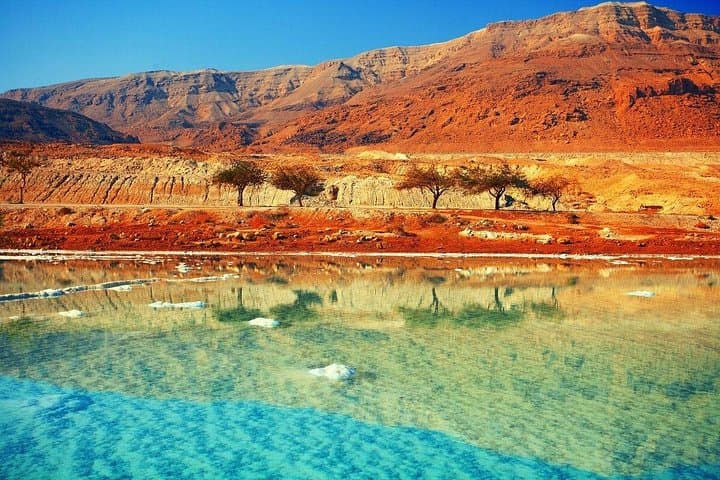
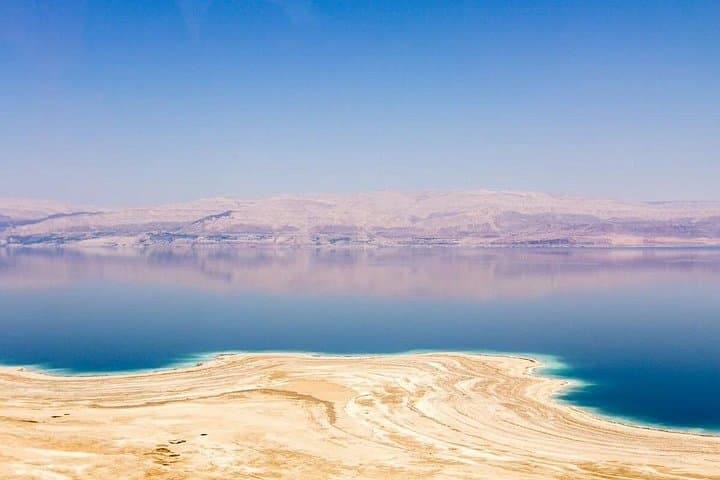
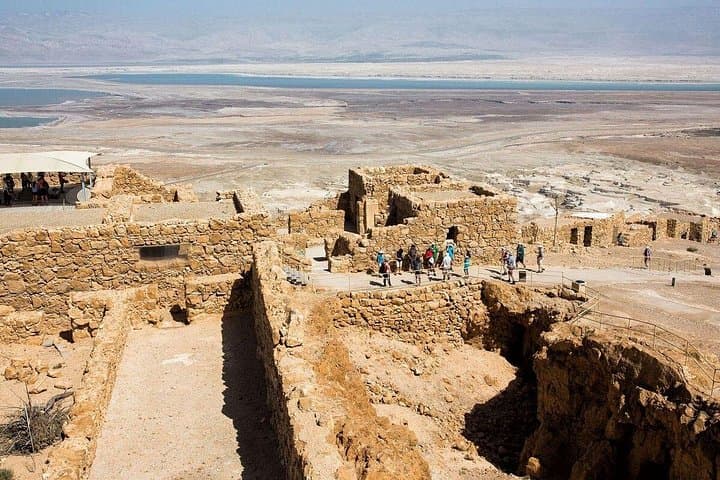
Masada was built by King Herod in the first century BCE and became the last stronghold of Jewish rebels during the Roman siege. The plateau’s geology—flat, layered rock sitting above sheer cliffs—made it defensible and dramatic. From the ramparts you can see the Dead Sea’s glassy surface sitting 430 meters below sea level, a saline mirror that resists life and invites floating. Local culture around the site blends Bedouin, Israeli, and ancient Judean threads, and the Masada Museum frames artifacts that make the past tactile.
Expect a mix of gentle walking and short climbs; most visitors take the cable car up and down, saving energy for the ruins and views. At the Dead Sea, the water’s buoyancy lets you float without effort and the mineral-rich mud has skin-tightening reputation—use the provided showers to wash it off. Time your visit for early morning or late afternoon to avoid the strongest sun and to catch softer light on the cliffs.
Practical matters: bring sun protection, plenty of water, a towel and swimwear, good shoes for uneven stone, and a light layer for changing temperatures. The tour typically includes pick-up, transportation, entrance fees, and a licensed guide, making it an efficient way to combine archeology and the unique ecology of the lowest place on earth.
Yes — typical day tours include Masada National Park entrance fees and the Masada Museum.
Yes — you can float in the Dead Sea; avoid getting water in your eyes and rinse off fresh water afterward.
Cable car tickets are usually included in guided tours, but operations can close for maintenance—your operator will advise alternatives like the Snake Path where appropriate.
Early morning or late afternoon visits are best for cooler temperatures and softer light; weekdays are typically less crowded than weekends.
Uopera tours operates guided outdoor trips and adventures with an emphasis on safety, stewardship, and memorable experiences.
You arrive before the heat peaks: a dust-sweet wind pushes across the Judean slopes and the plateau of Masada rises like a blunt ship from the desert. The guide leads you through the remains of walls and terraces; the air smells faintly of sun-warmed stone and salt.
You arrive before the heat peaks: a dust-sweet wind pushes across the Judean slopes and the plateau of Masada rises like a blunt ship from the desert. The guide leads you through the remains of walls and terraces; the air smells faintly of sun-warmed stone and salt.
Masada was built by King Herod in the first century BCE and became the last stronghold of Jewish rebels during the Roman siege. The plateau’s geology—flat, layered rock sitting above sheer cliffs—made it defensible and dramatic. From the ramparts you can see the Dead Sea’s glassy surface sitting 430 meters below sea level, a saline mirror that resists life and invites floating. Local culture around the site blends Bedouin, Israeli, and ancient Judean threads, and the Masada Museum frames artifacts that make the past tactile.
Expect a mix of gentle walking and short climbs; most visitors take the cable car up and down, saving energy for the ruins and views. At the Dead Sea, the water’s buoyancy lets you float without effort and the mineral-rich mud has skin-tightening reputation—use the provided showers to wash it off. Time your visit for early morning or late afternoon to avoid the strongest sun and to catch softer light on the cliffs.
Practical matters: bring sun protection, plenty of water, a towel and swimwear, good shoes for uneven stone, and a light layer for changing temperatures. The tour typically includes pick-up, transportation, entrance fees, and a licensed guide, making it an efficient way to combine archeology and the unique ecology of the lowest place on earth.