THE ADVENTURE COLLECTIVE® · Independent discovery and booking for outdoor travel

A full-day loop from Jerusalem across the Judean Desert, this tour pairs Masada’s cliff-top fortress with a salty float in the Dead Sea and a green interlude at Ein Gedi. Expect archaeology, geology, and easy hikes with big, sunlit views.
A full-day loop from Jerusalem across the Judean Desert, this tour pairs Masada’s cliff-top fortress with a salty float in the Dead Sea and a green interlude at Ein Gedi. Expect archaeology, geology, and easy hikes with big, sunlit views.
You step out of the air-conditioned van and the desert greets you like a living map: ochre slopes folding toward a silver strip where the Dead Sea lies below sea level. Wind carries mineral dust; the sun pushes you to pull on a hat. From the Masada cable car the fortress rises like a carved plateau—stone walls and ancient dwellings clinging to a plateau 350 meters above the plain.
Verified experiences and guided adventures in the surrounding area.
Operated by Ji- tours · Masada, Jerusalem District
You step out of the air-conditioned van and the desert greets you like a living map: ochre slopes folding toward a silver strip where the Dead Sea lies below sea level. Wind carries mineral dust; the sun pushes you to pull on a hat. From the Masada cable car the fortress rises like a carved plateau—stone walls and ancient dwellings clinging to a plateau 350 meters above the plain.
Masada’s story is immediate here: Herodian engineering, Roman siege works and the dramatic final stand that turned the site into a symbol of resistance. Geology reads like a primer—the Judean Mountains worn to terraces, salt pans shimmering along the Dead Sea shore, and freshwater springs at Ein Gedi producing pockets of green where orchids and acacia find water in bone-dry terrain.
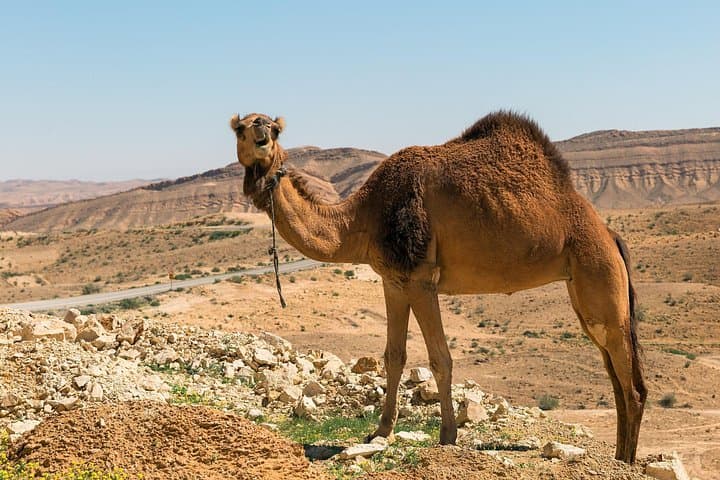
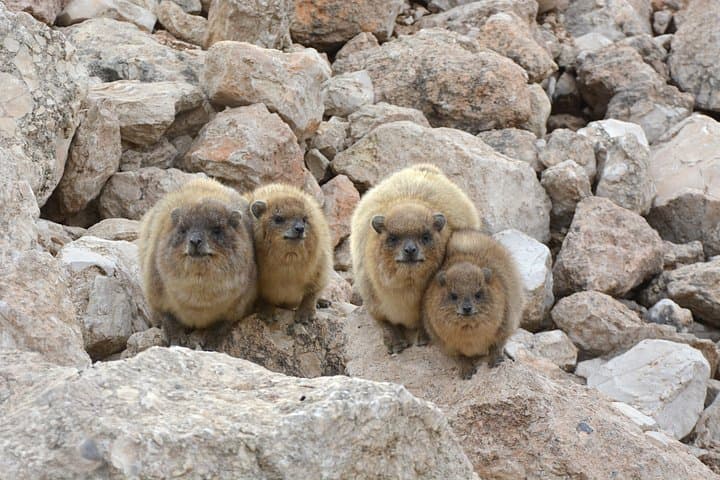
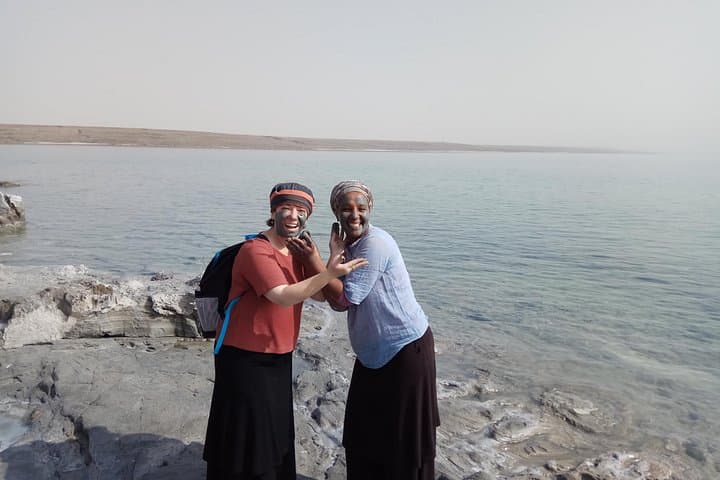
Culturally the route moves between biblical sites, Bedouin landscapes and modern spas that bottle Dead Sea minerals. Expect short walks on uneven stone, light hikes in Ein Gedi’s reserve to see waterfalls and wildlife, and a slow float on hyper-saline water that keeps you buoyant.
Practical edge: wear sturdy shoes for terraces and ruins; carry 2–3 liters of water and sunscreen rated for intense UV; avoid shaving before a Dead Sea dip and don’t submerge your face. Plan for a full day (9–12 hours) including transit from Jerusalem. Timing matters—early morning at Masada catches cool air and late afternoon light, while mid-day is best for a relaxed float and mud treatment. Respect marked paths, archaeological signs and local customs; the desert rewards preparation with unrivaled views and quiet that feels earned.
Most day tours include transport and time at Masada but not necessarily the archaeological site’s entrance fee—confirm with the operator before booking.
You can float but the high salinity means it isn’t a typical swim; enter slowly, avoid splashing, and don’t submerge your head.
Some tours include guided walks to springs and waterfalls; independent visitors can follow marked trails—stick to designated paths for safety.
Yes—many operators provide infant seats and the route involves mostly short walks; supervise kids around salt water and steep overlooks.
Ji- tours operates guided outdoor trips and adventures with an emphasis on safety, stewardship, and memorable experiences.
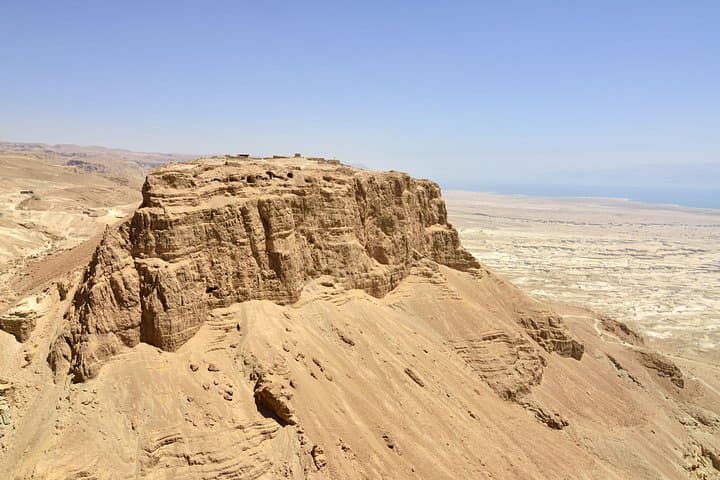
You step out of the air-conditioned van and the desert greets you like a living map: ochre slopes folding toward a silver strip where the Dead Sea lies below sea level. Wind carries mineral dust; the sun pushes you to pull on a hat. From the Masada cable car the fortress rises like a carved plateau—stone walls and ancient dwellings clinging to a plateau 350 meters above the plain.
You step out of the air-conditioned van and the desert greets you like a living map: ochre slopes folding toward a silver strip where the Dead Sea lies below sea level. Wind carries mineral dust; the sun pushes you to pull on a hat. From the Masada cable car the fortress rises like a carved plateau—stone walls and ancient dwellings clinging to a plateau 350 meters above the plain.
Masada’s story is immediate here: Herodian engineering, Roman siege works and the dramatic final stand that turned the site into a symbol of resistance. Geology reads like a primer—the Judean Mountains worn to terraces, salt pans shimmering along the Dead Sea shore, and freshwater springs at Ein Gedi producing pockets of green where orchids and acacia find water in bone-dry terrain.
Culturally the route moves between biblical sites, Bedouin landscapes and modern spas that bottle Dead Sea minerals. Expect short walks on uneven stone, light hikes in Ein Gedi’s reserve to see waterfalls and wildlife, and a slow float on hyper-saline water that keeps you buoyant.
Practical edge: wear sturdy shoes for terraces and ruins; carry 2–3 liters of water and sunscreen rated for intense UV; avoid shaving before a Dead Sea dip and don’t submerge your face. Plan for a full day (9–12 hours) including transit from Jerusalem. Timing matters—early morning at Masada catches cool air and late afternoon light, while mid-day is best for a relaxed float and mud treatment. Respect marked paths, archaeological signs and local customs; the desert rewards preparation with unrivaled views and quiet that feels earned.