THE ADVENTURE COLLECTIVE® · Independent discovery and booking for outdoor travel

A sunlit leap from Tel Aviv into the Judean Desert: ascend Masada’s plateau, stand amid Herodian ruins, then float in the hyper-saline Dead Sea. This full-day tour balances history, geology and simple practicalities for a memorable desert day.
A sunlit leap from Tel Aviv into the Judean Desert: ascend Masada’s plateau, stand amid Herodian ruins, then float in the hyper-saline Dead Sea. This full-day tour balances history, geology and simple practicalities for a memorable desert day.
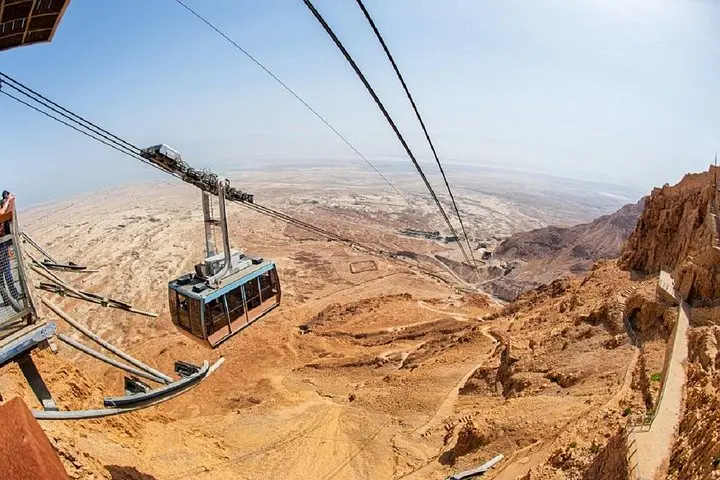
The bus slips away from Tel Aviv before dawn and the land opens into the Judean Hills—ochre rock, terraces, and a sky that feels too wide. By midmorning the silhouette of Masada cuts the horizon: a flat-topped fortress rising roughly 400 meters above the Dead Sea, its sheer cliffs daring you to climb. From the cable car or the steep snake path, the view unfolds in stark layers—ruined palace walls, Roman siege works, and the Dead Sea’s mirror of impossible blue.
Verified experiences and guided adventures in the surrounding area.
Operated by Bein Harim Ltd · Masada, Southern District
The bus slips away from Tel Aviv before dawn and the land opens into the Judean Hills—ochre rock, terraces, and a sky that feels too wide. By midmorning the silhouette of Masada cuts the horizon: a flat-topped fortress rising roughly 400 meters above the Dead Sea, its sheer cliffs daring you to climb. From the cable car or the steep snake path, the view unfolds in stark layers—ruined palace walls, Roman siege works, and the Dead Sea’s mirror of impossible blue.
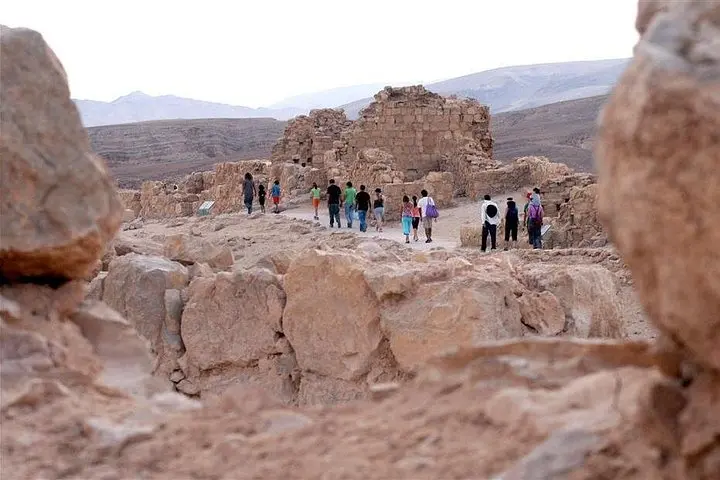
Masada is both archaeology and story. Built by Herod the Great, its cisterns, bathhouse fragments and kingly terraces reveal Roman-era engineering and a dramatic last stand by Jewish rebels in 73 CE. Nearby, Qumran’s caves hold the fragments of the Dead Sea Scrolls, and the Good Samaritan route recalls ancient trade and pilgrimage along the Jordan valley.
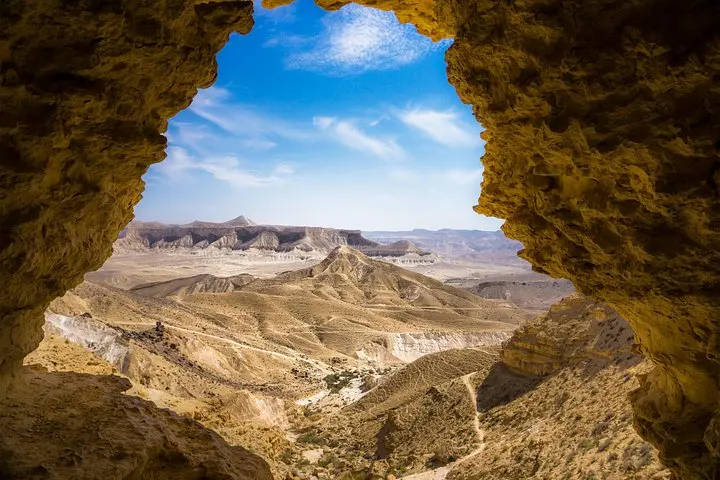
Geology shapes the itinerary: the Dead Sea sits below sea level at the planet’s lowest exposed point, concentrating salts and minerals; Masada’s rock is a sedimentary mesa carved by millennia of wind and flash floods.
Practical reality: this is a long, full-day outing—expect about 12 hours door-to-door. If you take the Snake Path, prepare for roughly 2 km of switchbacks and 400 m of elevation gain; the cable car halves the effort. Bring at least 2–3 liters of water, sun protection, sturdy shoes and a swimsuit for Dead Sea floating. Avoid shaving before floating, and rinse off thoroughly after salt and mineral mud. Early starts beat the heat; respect marked trails and fragile ruins to help preserve this fragile desert landscape for the next traveler.
The excursion is approximately 12 hours total; departures from Tel Aviv usually start early morning and return in the evening—check your specific pickup time.
The Snake Path is steep (about 2 km with ~400 m elevation gain). A cable car runs from the base to the summit for those who prefer an easier ascent.
Floating in the Dead Sea is safe for most people but not suitable for young children under 4; avoid swallowing water, keep open wounds out of the water, and supervise children closely.
Yes—a valid passport is typically required for pickup and border-area travel; confirm requirements with the local operator before departure.
Bein Harim Ltd operates guided outdoor trips and adventures with an emphasis on safety, stewardship, and memorable experiences.

The bus slips away from Tel Aviv before dawn and the land opens into the Judean Hills—ochre rock, terraces, and a sky that feels too wide. By midmorning the silhouette of Masada cuts the horizon: a flat-topped fortress rising roughly 400 meters above the Dead Sea, its sheer cliffs daring you to climb. From the cable car or the steep snake path, the view unfolds in stark layers—ruined palace walls, Roman siege works, and the Dead Sea’s mirror of impossible blue.
The bus slips away from Tel Aviv before dawn and the land opens into the Judean Hills—ochre rock, terraces, and a sky that feels too wide. By midmorning the silhouette of Masada cuts the horizon: a flat-topped fortress rising roughly 400 meters above the Dead Sea, its sheer cliffs daring you to climb. From the cable car or the steep snake path, the view unfolds in stark layers—ruined palace walls, Roman siege works, and the Dead Sea’s mirror of impossible blue.
Masada is both archaeology and story. Built by Herod the Great, its cisterns, bathhouse fragments and kingly terraces reveal Roman-era engineering and a dramatic last stand by Jewish rebels in 73 CE. Nearby, Qumran’s caves hold the fragments of the Dead Sea Scrolls, and the Good Samaritan route recalls ancient trade and pilgrimage along the Jordan valley.
Geology shapes the itinerary: the Dead Sea sits below sea level at the planet’s lowest exposed point, concentrating salts and minerals; Masada’s rock is a sedimentary mesa carved by millennia of wind and flash floods.
Practical reality: this is a long, full-day outing—expect about 12 hours door-to-door. If you take the Snake Path, prepare for roughly 2 km of switchbacks and 400 m of elevation gain; the cable car halves the effort. Bring at least 2–3 liters of water, sun protection, sturdy shoes and a swimsuit for Dead Sea floating. Avoid shaving before floating, and rinse off thoroughly after salt and mineral mud. Early starts beat the heat; respect marked trails and fragile ruins to help preserve this fragile desert landscape for the next traveler.