THE ADVENTURE COLLECTIVE® · Independent discovery and booking for outdoor travel

Experience the Masai Mara’s great migration across eight days of game drives, lodge stays and reserve-to-reserve travel. Time your trip July–October for the highest chance of dramatic river crossings and dense predator activity.
Experience the Masai Mara’s great migration across eight days of game drives, lodge stays and reserve-to-reserve travel. Time your trip July–October for the highest chance of dramatic river crossings and dense predator activity.
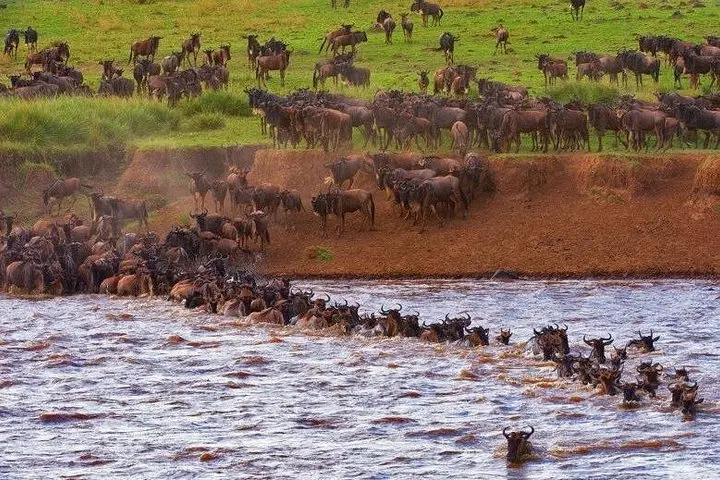
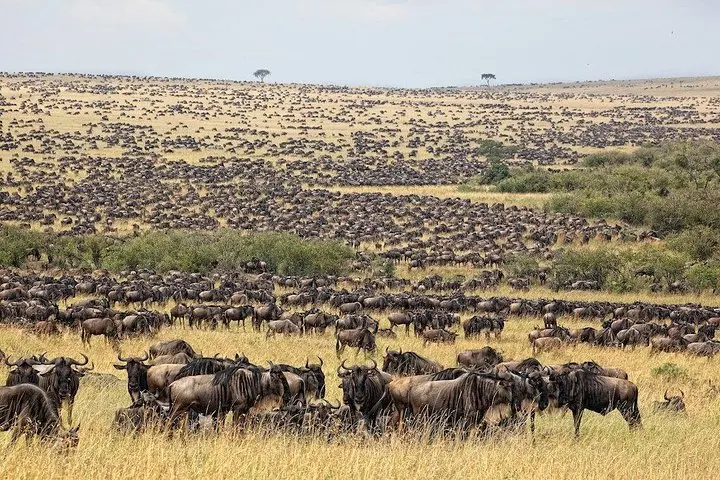
Dawn breaks over an African plain and the silhouettes of thousands of hooves stitch a low rumble into the cool air. You’re on a shaded seat in an open safari vehicle as the Mara’s grasses bend and the horizon fills with a moving dark line—wildebeest, zebra and gazelle on the long march. This is the Masai Mara during migration season: raw, kinetic and unforgivingly beautiful.
Verified experiences and guided adventures in the surrounding area.
Operated by Africa Tours · Masai Mara, Narok County
Dawn breaks over an African plain and the silhouettes of thousands of hooves stitch a low rumble into the cool air. You’re on a shaded seat in an open safari vehicle as the Mara’s grasses bend and the horizon fills with a moving dark line—wildebeest, zebra and gazelle on the long march. This is the Masai Mara during migration season: raw, kinetic and unforgivingly beautiful.
Geology here is simple and vast—rolling savanna carved by the Great Rift Valley where seasonal rivers like the Mara snake through wide floodplains. The reserve sits on traditional Maasai lands; herding culture and colonial-era park design both shaped today’s boundaries and the patterns of wildlife use.
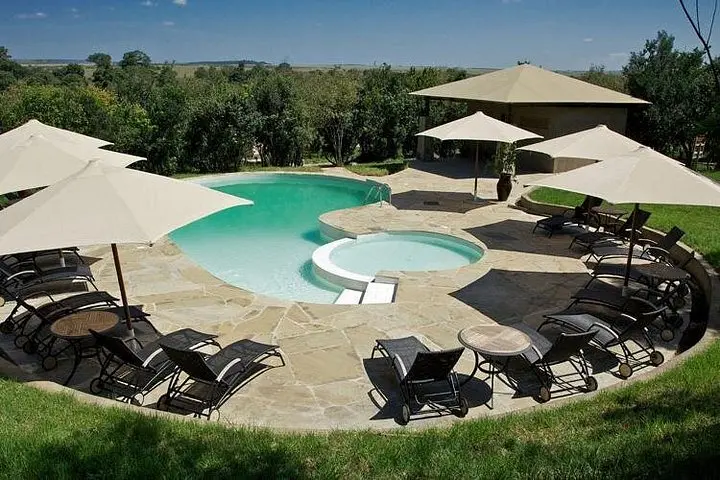
Over eight days the itinerary moves from highland forest at Aberdare to Ol Pejeta’s rhino sanctuaries, around Lake Nakuru’s alkaline shores and into the Mara’s epic plains. Expect full-day game drives at first light and late afternoon, comfortable lodge and tented-camp nights, and guides fluent in predator behavior and migration timing.
Practical takeaways: travel July–October for the greatest chance of river crossings and predator activity; pack neutral clothing, sun protection and a small daypack for short walks. Vehicles cover long distances—be prepared to sit for several hours on game drives and to store cameras and layers within easy reach. Hydrate frequently in dry months and follow guides’ instructions at close wildlife sightings.
This safari is more observational than strenuous—its reward is patient watching, expert tracking, and the occasional thunder of hooves that reminds you the land still moves on its own terms.
Peak months for the Mara crossings are July through October, when herds move north from the Serengeti into the reserve; sightings can vary by year and weather.
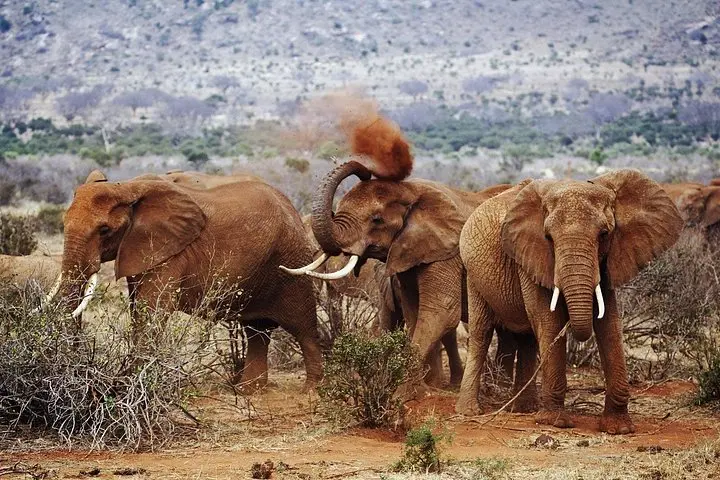
The Masai Mara hosts lion, elephant, buffalo, leopard and rhino in the larger circuit—Ol Pejeta improves rhino viewing—though sightings depend on timing and luck.
Expect morning drives that start before sunrise and afternoon drives that last until dusk, commonly 3–6 hours each with breaks at lodges or picnic sites.
Some lodges and vehicles offer accessibility options; confirm specific requirements and pickup details with the operator before booking.
Africa Tours operates guided outdoor trips and adventures with an emphasis on safety, stewardship, and memorable experiences.
Dawn breaks over an African plain and the silhouettes of thousands of hooves stitch a low rumble into the cool air. You’re on a shaded seat in an open safari vehicle as the Mara’s grasses bend and the horizon fills with a moving dark line—wildebeest, zebra and gazelle on the long march. This is the Masai Mara during migration season: raw, kinetic and unforgivingly beautiful.
Dawn breaks over an African plain and the silhouettes of thousands of hooves stitch a low rumble into the cool air. You’re on a shaded seat in an open safari vehicle as the Mara’s grasses bend and the horizon fills with a moving dark line—wildebeest, zebra and gazelle on the long march. This is the Masai Mara during migration season: raw, kinetic and unforgivingly beautiful.
Geology here is simple and vast—rolling savanna carved by the Great Rift Valley where seasonal rivers like the Mara snake through wide floodplains. The reserve sits on traditional Maasai lands; herding culture and colonial-era park design both shaped today’s boundaries and the patterns of wildlife use.
Over eight days the itinerary moves from highland forest at Aberdare to Ol Pejeta’s rhino sanctuaries, around Lake Nakuru’s alkaline shores and into the Mara’s epic plains. Expect full-day game drives at first light and late afternoon, comfortable lodge and tented-camp nights, and guides fluent in predator behavior and migration timing.
Practical takeaways: travel July–October for the greatest chance of river crossings and predator activity; pack neutral clothing, sun protection and a small daypack for short walks. Vehicles cover long distances—be prepared to sit for several hours on game drives and to store cameras and layers within easy reach. Hydrate frequently in dry months and follow guides’ instructions at close wildlife sightings.
This safari is more observational than strenuous—its reward is patient watching, expert tracking, and the occasional thunder of hooves that reminds you the land still moves on its own terms.