THE ADVENTURE COLLECTIVE® · Independent discovery and booking for outdoor travel

Choose a pre-breakfast, mid-morning or sunset game drive in an open-roof Landcruiser to maximize wildlife sightings across the Masai Mara’s sweeping grasslands. Expect 5–6 hours of guided driving over unpaved tracks with prime viewing at dawn and dusk.
Choose a pre-breakfast, mid-morning or sunset game drive in an open-roof Landcruiser to maximize wildlife sightings across the Masai Mara’s sweeping grasslands. Expect 5–6 hours of guided driving over unpaved tracks with prime viewing at dawn and dusk.
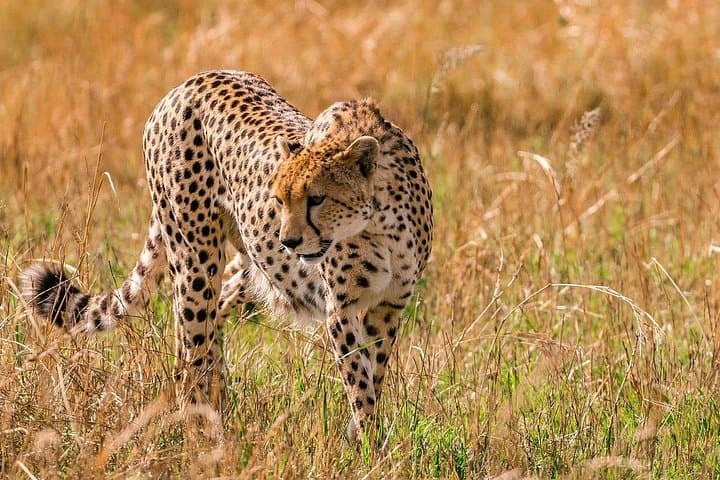
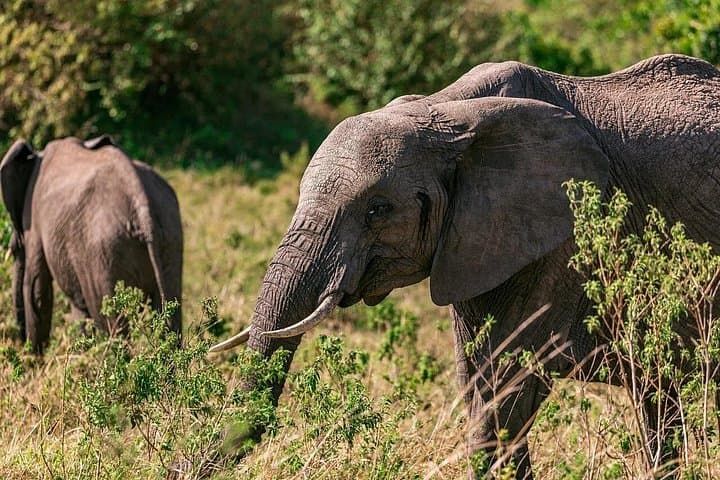
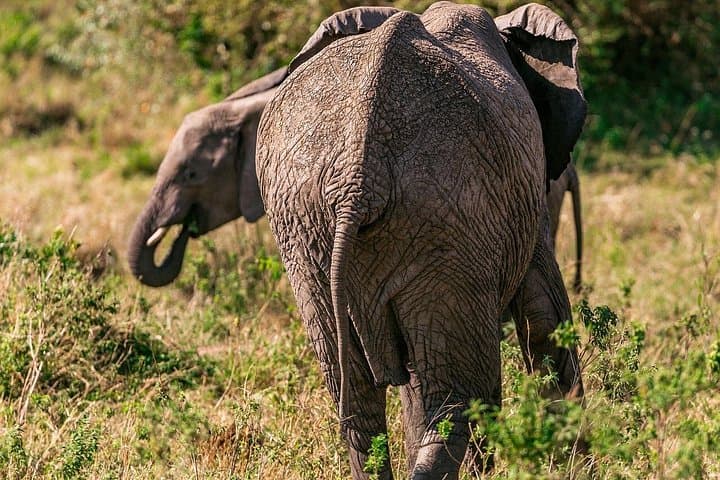
The Landcruiser rolls over sunbaked tracks as a thin gold light cuts across the savanna; horns of wildebeest puncture the horizon and a distant lion yawns into the cool. Whether you choose an early pre-breakfast sweep, a post-breakfast loop or a late sunset drive, the Masai Mara delivers close, cinematic wildlife encounters from a pop-up-roof 4x4.
Verified experiences and guided adventures in the surrounding area.
Operated by African Beast tours and safaris · Narok, Narok County
The Landcruiser rolls over sunbaked tracks as a thin gold light cuts across the savanna; horns of wildebeest puncture the horizon and a distant lion yawns into the cool. Whether you choose an early pre-breakfast sweep, a post-breakfast loop or a late sunset drive, the Masai Mara delivers close, cinematic wildlife encounters from a pop-up-roof 4x4.
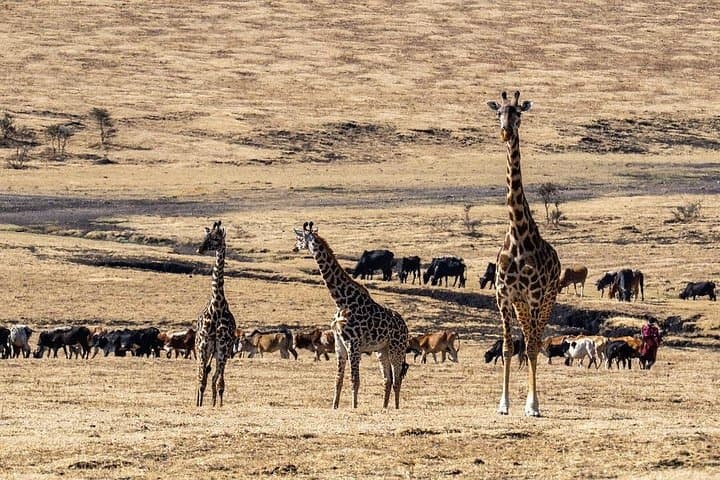
Geology here is blunt and honest: wide, flat plains formed by the Rift Valley's uplift, punctuated by rocky kopjes and braided river systems like the Talek and Mara. The landscape shaped local Maasai communities for generations—livestock grazing and age-old conservancy agreements now entwine with tourism. The reserve was formally protected in the 1960s, and today its grasslands support the Great Migration that threads Kenya and Tanzania each year.
Practicalities matter on a long game drive. Expect 5–6 hours in a vehicle over unpaved, sometimes rutted tracks; elevation sits around 1,500 m, so mornings can be cool and afternoons warm. Bring binoculars and a camera with a zoom lens, layer clothing, and drink often—the sun is relentless when it breaks through. Guides born in the Mara read spoor and wind like a map; follow their lead, keep a respectful distance from animals, and stay seated when the driver asks.
Best windows for viewing are dawn and dusk when predators are active and light flatters the plains. If you’re aiming for the river crossings, plan your trip July–October. Above all, settle into the rhythm of the Mara: the grass moves, the river dares you to watch, and the land will reveal its stories if you pay attention.
River crossings typically peak between July and October when herds move north into the Masai Mara from the Serengeti—timing can vary annually.
Yes; vehicles are comfortable and drives are suitable for all fitness levels, though long days can be tiring—check with the operator about child seats and mobility needs.
Guides use knowledge of animal behavior to position vehicles for safe, ethical viewing; proximity depends on animal tolerance and safety rules.
Standard travel vaccinations for Kenya are recommended (e.g., yellow fever if arriving from endemic areas); no special permits are needed for reserve game drives beyond park entry arranged by the operator.
African Beast tours and safaris operates guided outdoor trips and adventures with an emphasis on safety, stewardship, and memorable experiences.
The Landcruiser rolls over sunbaked tracks as a thin gold light cuts across the savanna; horns of wildebeest puncture the horizon and a distant lion yawns into the cool. Whether you choose an early pre-breakfast sweep, a post-breakfast loop or a late sunset drive, the Masai Mara delivers close, cinematic wildlife encounters from a pop-up-roof 4x4.
The Landcruiser rolls over sunbaked tracks as a thin gold light cuts across the savanna; horns of wildebeest puncture the horizon and a distant lion yawns into the cool. Whether you choose an early pre-breakfast sweep, a post-breakfast loop or a late sunset drive, the Masai Mara delivers close, cinematic wildlife encounters from a pop-up-roof 4x4.
Geology here is blunt and honest: wide, flat plains formed by the Rift Valley's uplift, punctuated by rocky kopjes and braided river systems like the Talek and Mara. The landscape shaped local Maasai communities for generations—livestock grazing and age-old conservancy agreements now entwine with tourism. The reserve was formally protected in the 1960s, and today its grasslands support the Great Migration that threads Kenya and Tanzania each year.
Practicalities matter on a long game drive. Expect 5–6 hours in a vehicle over unpaved, sometimes rutted tracks; elevation sits around 1,500 m, so mornings can be cool and afternoons warm. Bring binoculars and a camera with a zoom lens, layer clothing, and drink often—the sun is relentless when it breaks through. Guides born in the Mara read spoor and wind like a map; follow their lead, keep a respectful distance from animals, and stay seated when the driver asks.
Best windows for viewing are dawn and dusk when predators are active and light flatters the plains. If you’re aiming for the river crossings, plan your trip July–October. Above all, settle into the rhythm of the Mara: the grass moves, the river dares you to watch, and the land will reveal its stories if you pay attention.