THE ADVENTURE COLLECTIVE® · Independent discovery and booking for outdoor travel

Hike the basalt ridges of Cerro Comalito at Masaya Volcano, then cool off in the clear waters of Laguna de Apoyo. This full-day trip pairs raw volcanic landscapes with a calm crater lake—perfect for hikers who want geology and a swim in one outing.
Hike the basalt ridges of Cerro Comalito at Masaya Volcano, then cool off in the clear waters of Laguna de Apoyo. This full-day trip pairs raw volcanic landscapes with a calm crater lake—perfect for hikers who want geology and a swim in one outing.
You step from an air-conditioned van into a raw wind that carries sulfur and dry grass—Masaya’s crater rims are immediate and insistent. The trail up Cerro Comalito climbs over dark, broken lava and through thorny scrub; fumaroles hiss nearby and the crater’s edge frames a low, restless bowl where gases rise like a living breath. After the summit’s wide views, the day drops into the green calm of Laguna de Apoyo, a deep volcanic lake with clear water that invites a paddle or a slow swim.
Verified experiences and guided adventures in the surrounding area.
Operated by Danny's Tour · Masaya, Masaya Department
You step from an air-conditioned van into a raw wind that carries sulfur and dry grass—Masaya’s crater rims are immediate and insistent. The trail up Cerro Comalito climbs over dark, broken lava and through thorny scrub; fumaroles hiss nearby and the crater’s edge frames a low, restless bowl where gases rise like a living breath. After the summit’s wide views, the day drops into the green calm of Laguna de Apoyo, a deep volcanic lake with clear water that invites a paddle or a slow swim.
Masaya Volcano is one of Nicaragua’s most active volcanic complexes; local communities have long regarded it as powerful and unpredictable, and the national park preserves both geological features and a small visitor museum that explains historic eruptions and lava flows. Geologically the route crosses recent basalt flows and older scoria slopes, then transitions to the lake’s volcanic caldera that formed in a massive collapse centuries ago. Cultural notes: nearby towns sell typical Nicaraguan snacks and the park supports local guides who read both the geology and folklore of the area.
Practical guidance: allow roughly six hours for transport, the hike, museum stop and time at the lagoon; wear closed shoes for the lava trail and bring a swim layer for the lake. Stay hydrated, protect your face from wind and sulfur, and respect posted boundaries on the crater rim—those fumaroles move without warning.
The trail is short but uneven—moderate difficulty due to rocky basalt; most people in average fitness can complete it with rest stops.
Tours typically include park entrance and the visitor museum; confirm with the operator for current access hours.
Yes—most itineraries include time at the lagoon for swimming, kayaking, or a relaxed lunch by the water.
Guides monitor conditions; avoid low-lying fumarole zones and anyone with respiratory sensitivity should take precautions or opt out of close crater viewing.
Danny's Tour operates guided outdoor trips and adventures with an emphasis on safety, stewardship, and memorable experiences.
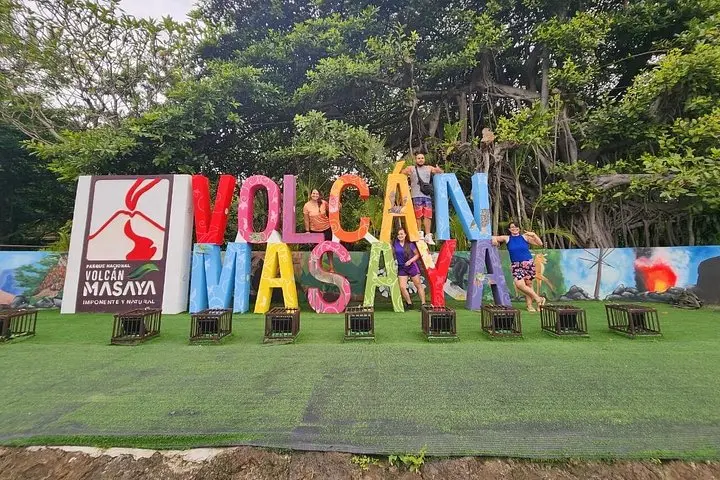
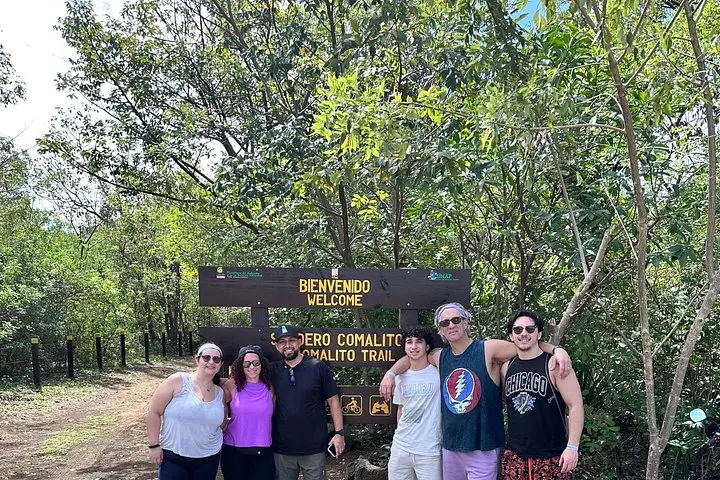
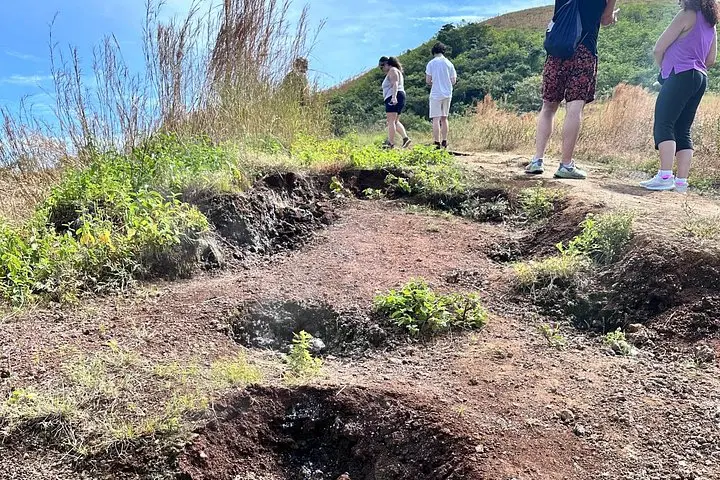
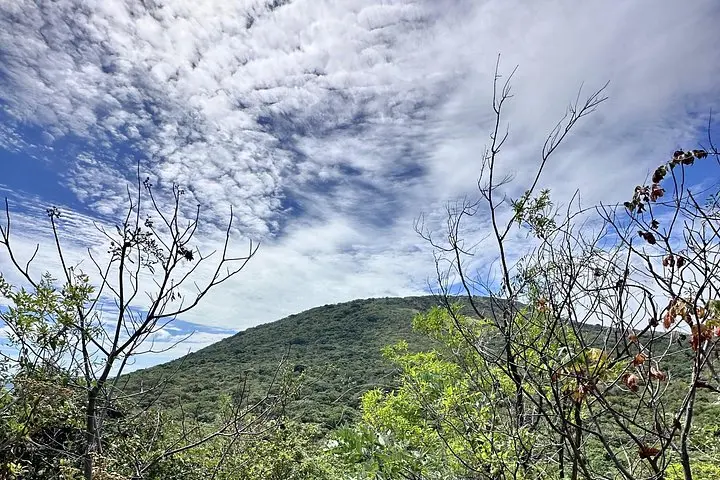
You step from an air-conditioned van into a raw wind that carries sulfur and dry grass—Masaya’s crater rims are immediate and insistent. The trail up Cerro Comalito climbs over dark, broken lava and through thorny scrub; fumaroles hiss nearby and the crater’s edge frames a low, restless bowl where gases rise like a living breath. After the summit’s wide views, the day drops into the green calm of Laguna de Apoyo, a deep volcanic lake with clear water that invites a paddle or a slow swim.
You step from an air-conditioned van into a raw wind that carries sulfur and dry grass—Masaya’s crater rims are immediate and insistent. The trail up Cerro Comalito climbs over dark, broken lava and through thorny scrub; fumaroles hiss nearby and the crater’s edge frames a low, restless bowl where gases rise like a living breath. After the summit’s wide views, the day drops into the green calm of Laguna de Apoyo, a deep volcanic lake with clear water that invites a paddle or a slow swim.
Masaya Volcano is one of Nicaragua’s most active volcanic complexes; local communities have long regarded it as powerful and unpredictable, and the national park preserves both geological features and a small visitor museum that explains historic eruptions and lava flows. Geologically the route crosses recent basalt flows and older scoria slopes, then transitions to the lake’s volcanic caldera that formed in a massive collapse centuries ago. Cultural notes: nearby towns sell typical Nicaraguan snacks and the park supports local guides who read both the geology and folklore of the area.
Practical guidance: allow roughly six hours for transport, the hike, museum stop and time at the lagoon; wear closed shoes for the lava trail and bring a swim layer for the lake. Stay hydrated, protect your face from wind and sulfur, and respect posted boundaries on the crater rim—those fumaroles move without warning.