THE ADVENTURE COLLECTIVE® · Independent discovery and booking for outdoor travel

Drive right up to the rim of Masaya’s Santiago crater and watch incandescent activity under the cover of night. This accessible 2–3 hour evening tour pairs geology with local culture and includes hotel pickup.
Drive right up to the rim of Masaya’s Santiago crater and watch incandescent activity under the cover of night. This accessible 2–3 hour evening tour pairs geology with local culture and includes hotel pickup.
The first thing you notice is the air changing as the van climbs toward the rim — warm, sulfur-tinged and alive. By night the Santiago crater holds a slow, stubborn glow; steam pours from vents and the incandescent surface hints at molten movement below, daring you to stand at the edge and watch the planet rearrange itself.
Verified experiences and guided adventures in the surrounding area.
Operated by Nica Travel and Tours · Masaya, Masaya Department
The first thing you notice is the air changing as the van climbs toward the rim — warm, sulfur-tinged and alive. By night the Santiago crater holds a slow, stubborn glow; steam pours from vents and the incandescent surface hints at molten movement below, daring you to stand at the edge and watch the planet rearrange itself.
Masaya has drawn human attention for centuries: indigenous groups revered the crater long before Spanish colonists recorded its fumaroles and dark reputation. Geologically it’s part of a large volcanic complex with a history of Strombolian to effusive activity; the Santiago crater is notable because visitors can drive right to the rim, a rare accessibility for an active volcano.
Locals mix commerce with geology — the nearby Masaya Artisan Market and the town’s namesake department offer a cultural counterpoint to the raw geology: pottery, leather and stories about eruptions past.
Practical guidance: the tour is short (about 2–3 hours including transfers) and mostly accessible by vehicle with minimal walking required. Expect cooler temperatures and wind at the rim; volcanic gases can irritate sensitive lungs so follow your guide’s distance and safety instructions. Bring a headlamp, closed-toe shoes and a light jacket; insect repellent helps in humid months. Hotel pickup is commonly included, and nights here provide clearer views than midday because steam contrasts against the dark. Photos are spectacular but mind the guide’s instructions — the rim can be uneven and winds can push sulfur fumes toward visitors. Respect park rules, keep a safe distance from fumaroles, and consider a short visit to the Masaya Market either before or after the crater for a fuller evening.
Yes; the tour drives to the rim and requires minimal walking. Guides accommodate different mobility needs, but children and seniors should remain with the group and follow safety directions.
Yes; the park may restrict access during elevated activity or official advisories. Reputable operators monitor conditions and will notify guests if a cancellation or alteration is needed.
Many operators provide wheelchair-accessible transportation and viewing areas; confirm when booking so accommodations and pick-up points can be arranged.
Bring your ID, a small light, closed-toe shoes, a jacket, and any needed medications; travel insurance and awareness of respiratory sensitivities are advised due to fumarolic gases.
Nica Travel and Tours operates guided outdoor trips and adventures with an emphasis on safety, stewardship, and memorable experiences.
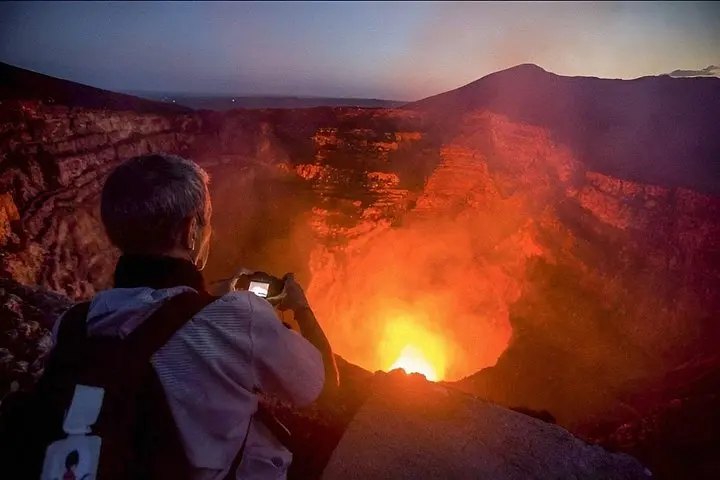
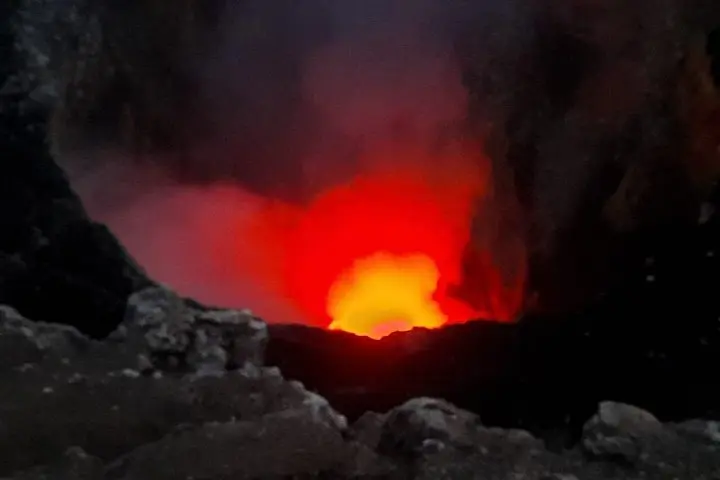
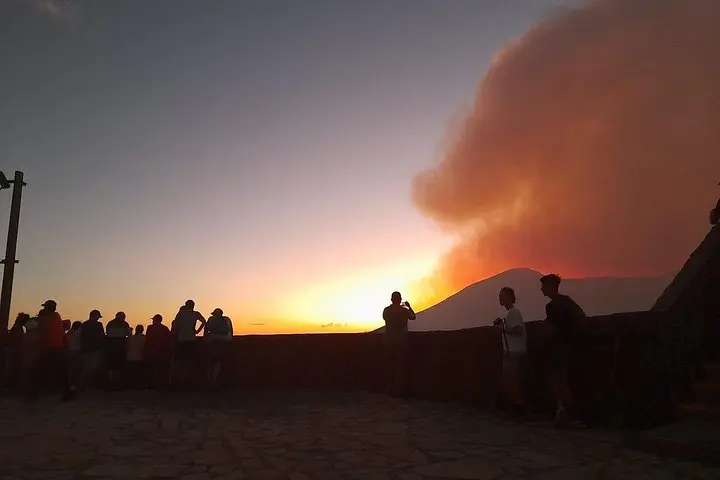
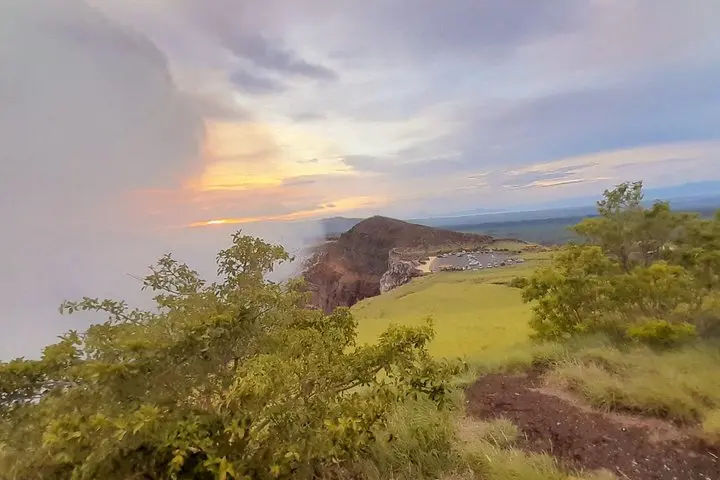
The first thing you notice is the air changing as the van climbs toward the rim — warm, sulfur-tinged and alive. By night the Santiago crater holds a slow, stubborn glow; steam pours from vents and the incandescent surface hints at molten movement below, daring you to stand at the edge and watch the planet rearrange itself.
The first thing you notice is the air changing as the van climbs toward the rim — warm, sulfur-tinged and alive. By night the Santiago crater holds a slow, stubborn glow; steam pours from vents and the incandescent surface hints at molten movement below, daring you to stand at the edge and watch the planet rearrange itself.
Masaya has drawn human attention for centuries: indigenous groups revered the crater long before Spanish colonists recorded its fumaroles and dark reputation. Geologically it’s part of a large volcanic complex with a history of Strombolian to effusive activity; the Santiago crater is notable because visitors can drive right to the rim, a rare accessibility for an active volcano.
Locals mix commerce with geology — the nearby Masaya Artisan Market and the town’s namesake department offer a cultural counterpoint to the raw geology: pottery, leather and stories about eruptions past.
Practical guidance: the tour is short (about 2–3 hours including transfers) and mostly accessible by vehicle with minimal walking required. Expect cooler temperatures and wind at the rim; volcanic gases can irritate sensitive lungs so follow your guide’s distance and safety instructions. Bring a headlamp, closed-toe shoes and a light jacket; insect repellent helps in humid months. Hotel pickup is commonly included, and nights here provide clearer views than midday because steam contrasts against the dark. Photos are spectacular but mind the guide’s instructions — the rim can be uneven and winds can push sulfur fumes toward visitors. Respect park rules, keep a safe distance from fumaroles, and consider a short visit to the Masaya Market either before or after the crater for a fuller evening.