THE ADVENTURE COLLECTIVE® · Independent discovery and booking for outdoor travel

Escape Stone Town for a three-hour guided hike through Masingini Forest, a 566-hectare freshwater catchment home to the Zanzibar red colobus, blue duiker, and shaded canopy trails. This private morning trek mixes wildlife viewing with local history and practical, easy-to-follow trail routines.
Escape Stone Town for a three-hour guided hike through Masingini Forest, a 566-hectare freshwater catchment home to the Zanzibar red colobus, blue duiker, and shaded canopy trails. This private morning trek mixes wildlife viewing with local history and practical, easy-to-follow trail routines.
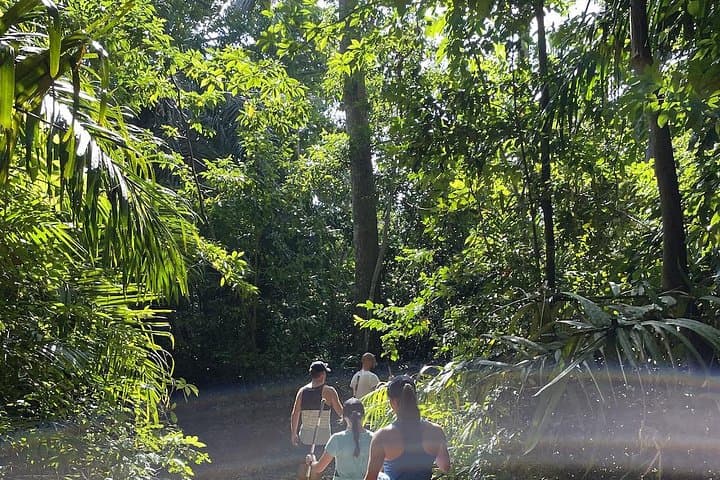
You step off the minivan and the city’s heat is swallowed by a green roof — the Masingini Forest presses cool air against your face and the trail pulls you inward. Bird calls map the route and leaves brush the light; the forest, rising to roughly 120 meters above sea level, feels alive and purposeful, pushing groundwater down into the limestone beneath the island.
Verified experiences and guided adventures in the surrounding area.
Operated by Colors of Zanzibar · Stone Town, Zanzibar
You step off the minivan and the city’s heat is swallowed by a green roof — the Masingini Forest presses cool air against your face and the trail pulls you inward. Bird calls map the route and leaves brush the light; the forest, rising to roughly 120 meters above sea level, feels alive and purposeful, pushing groundwater down into the limestone beneath the island.
Established in the 1950s to protect water sources and rich soils, Masingini spans some 566 hectares and sustains more than 179 plant species. The forest’s deep soils feed fruiting trees that in turn feed the Zanzibar red colobus monkeys — the island’s charismatic locals — and small mammals such as blue duiker and elephant shrew. Geology here is coastal limestone under a veneer of fertile topsoil; karst features and seasonally swollen streams shape shaded gullies and slow-moving springs.
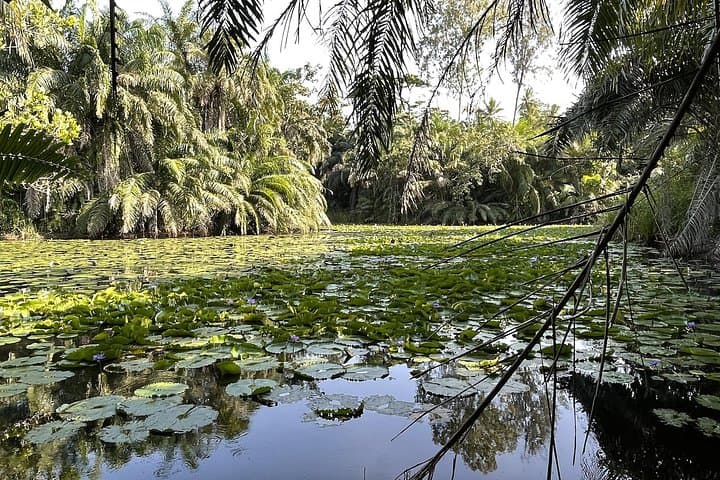
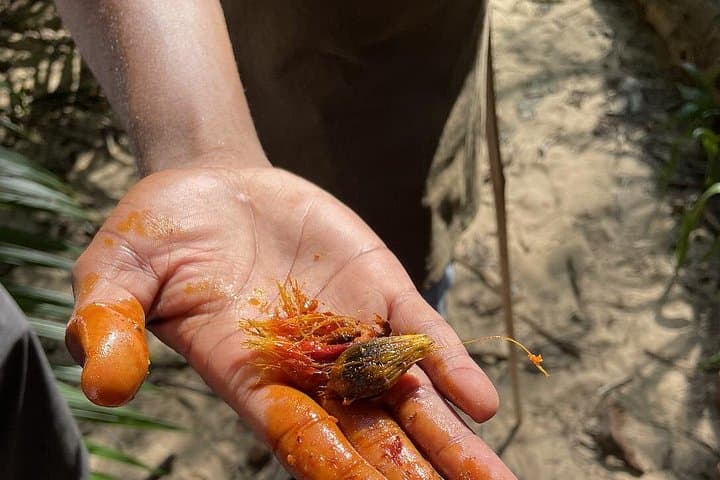
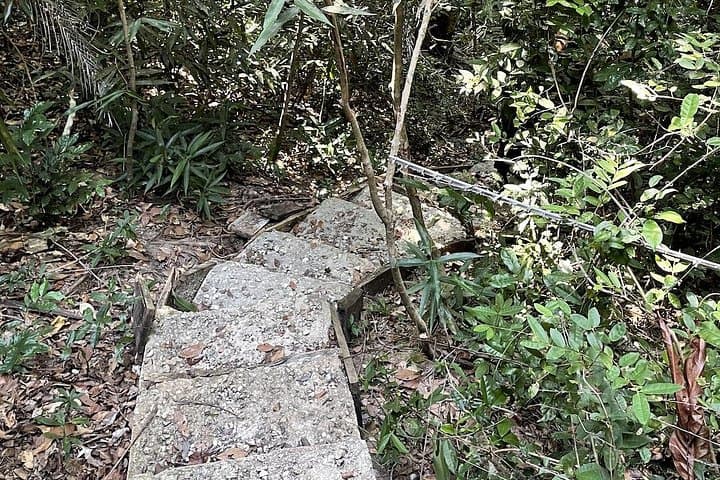
Culturally, the forest is threaded with community use: medicinal plants, fruit gathering, and small spiritual pools where silence is the guide. Expect narrow dirt tracks, roots to step over, and a canopy that makes light itself feel animated — the air can seem to hum with insect wings and bird life.
Practical guidance: this is a three-hour private hike, about 3–6 km at a moderate pace with short elevation changes. Wear sturdy trail shoes or sneakers, bring plenty of water, insect repellent, and sun protection for open sections. Mornings are best for wildlife and cooler air; after heavy rain trails get slippery. Guides provided locally know where red colobus and hidden pools gather — follow their lead and practice leave-no-trace principles to protect this fragile watershed.
The tour runs about three hours; expect roughly 3–6 km depending on stops for wildlife and local sites.
The route is moderate with uneven ground and short inclines; children and older adults in reasonable health can usually participate but should check with the operator about mobility concerns.
Guides know local troop locations and sightings are common, especially on morning departures, but wildlife can never be guaranteed.
The operator may cancel or reschedule if heavy rain makes trails unsafe; light showers usually only make the forest more lush but trails become slippery.
Colors of Zanzibar operates guided outdoor trips and adventures with an emphasis on safety, stewardship, and memorable experiences.
You step off the minivan and the city’s heat is swallowed by a green roof — the Masingini Forest presses cool air against your face and the trail pulls you inward. Bird calls map the route and leaves brush the light; the forest, rising to roughly 120 meters above sea level, feels alive and purposeful, pushing groundwater down into the limestone beneath the island.
You step off the minivan and the city’s heat is swallowed by a green roof — the Masingini Forest presses cool air against your face and the trail pulls you inward. Bird calls map the route and leaves brush the light; the forest, rising to roughly 120 meters above sea level, feels alive and purposeful, pushing groundwater down into the limestone beneath the island.
Established in the 1950s to protect water sources and rich soils, Masingini spans some 566 hectares and sustains more than 179 plant species. The forest’s deep soils feed fruiting trees that in turn feed the Zanzibar red colobus monkeys — the island’s charismatic locals — and small mammals such as blue duiker and elephant shrew. Geology here is coastal limestone under a veneer of fertile topsoil; karst features and seasonally swollen streams shape shaded gullies and slow-moving springs.
Culturally, the forest is threaded with community use: medicinal plants, fruit gathering, and small spiritual pools where silence is the guide. Expect narrow dirt tracks, roots to step over, and a canopy that makes light itself feel animated — the air can seem to hum with insect wings and bird life.
Practical guidance: this is a three-hour private hike, about 3–6 km at a moderate pace with short elevation changes. Wear sturdy trail shoes or sneakers, bring plenty of water, insect repellent, and sun protection for open sections. Mornings are best for wildlife and cooler air; after heavy rain trails get slippery. Guides provided locally know where red colobus and hidden pools gather — follow their lead and practice leave-no-trace principles to protect this fragile watershed.