THE ADVENTURE COLLECTIVE® · Independent discovery and booking for outdoor travel

A focused walking tour around Masjid al-Haram that visits the Well of Tuwa, Al-Ma'alla Cemetery, the Mosque of the Jinn and the Hira Cultural Exhibit—ideal for travelers seeking close contact with early Islamic sites and living history.
A focused walking tour around Masjid al-Haram that visits the Well of Tuwa, Al-Ma'alla Cemetery, the Mosque of the Jinn and the Hira Cultural Exhibit—ideal for travelers seeking close contact with early Islamic sites and living history.
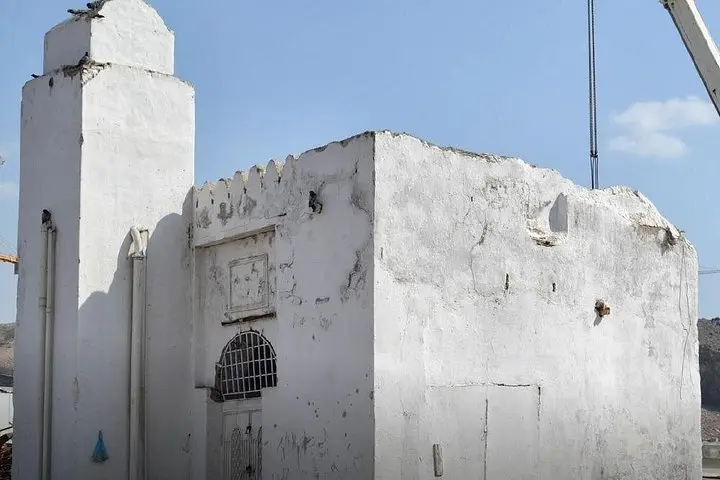
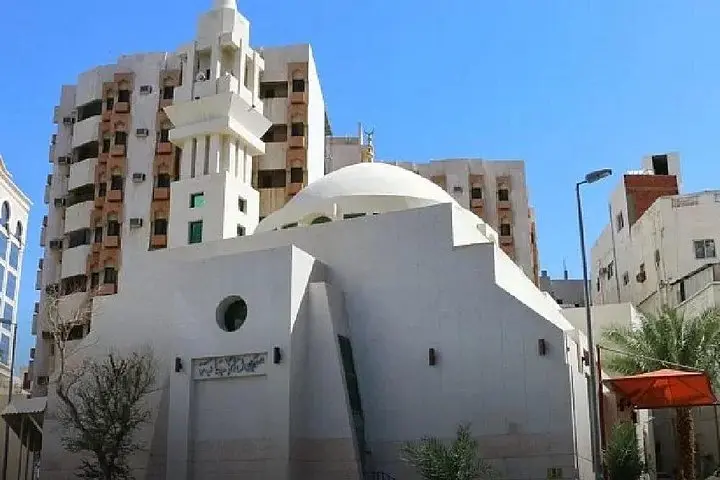
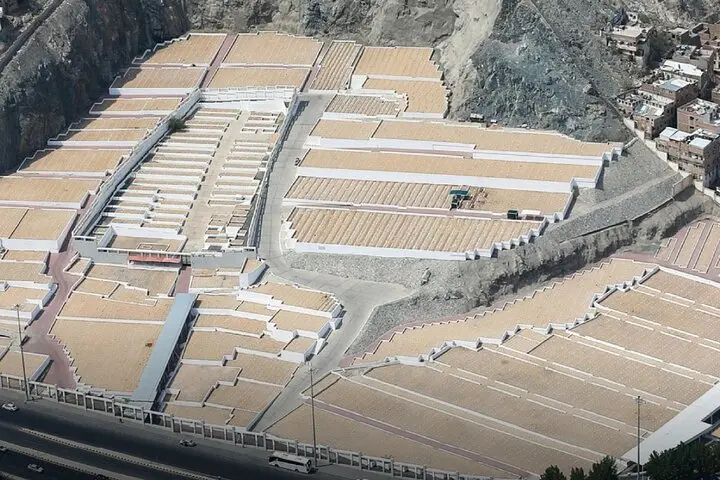
You step out from the shaded portal of the Grand Mosque and the city exhales history — stone alleys, low hills and the hush of places that have kept stories for fourteen centuries. The route moves from the cool shadow of the Well of Tuwa past small, reverent mosques and a compact cemetery where early Companions are buried, ending at the Mosque of the Jinn and the Hira Cultural Exhibit.
Verified experiences and guided adventures in the surrounding area.
Operated by Mzar · Makkah, Makkah Province
You step out from the shaded portal of the Grand Mosque and the city exhales history — stone alleys, low hills and the hush of places that have kept stories for fourteen centuries. The route moves from the cool shadow of the Well of Tuwa past small, reverent mosques and a compact cemetery where early Companions are buried, ending at the Mosque of the Jinn and the Hira Cultural Exhibit.
This compact pilgrimage of sites sits on the western edge of the sacred precinct. Geologically Mecca is a basin ringed by arid, ancient hills; Mount Noor still bears the scars of centuries of footsteps and legend. Culturally the area is a living archive: each mosque and tree has been a waypoint in oral histories and early Islamic life, while the nearby Hira exhibit translates those narratives into modern displays.
Expect mostly paved paths, short stair sections and crowded pedestrian corridors during prayer times. Guides usually divide time between onsite storytelling and an audio tour of Mount Noor and the Hira Cave exhibit. The walk is intimate rather than strenuous — it’s about proximity to events rather than elevation or distance.
Practical guidance: plan for early-morning slots to avoid heat and crowds, dress conservatively, and keep bottled water and sun protection handy. If you want more context, budget the extra hour for the Hira Cultural Exhibit and allow your guide to show you quieter alleys where local histories are still told.
Access to many religious sites in Mecca is restricted; non-Muslims are generally not permitted to enter Mecca's central sacred areas, so this tour is intended for Muslim visitors.
Many paths around the Grand Mosque and primary stops are flat and wheelchair accessible, and the tour lists wheelchair-accessible transport options, but some historic spots have steps or narrow approaches.
The Hira Cultural Exhibit requires admission; this tour notes the exhibit as included for that stop in its itinerary, but confirm at booking for current access rules.
Avoid peak prayer times at the Grand Mosque—early morning before Fajr or mid-morning after Salah periods typically offer quieter conditions for the walk.
Mzar operates guided outdoor trips and adventures with an emphasis on safety, stewardship, and memorable experiences.

You step out from the shaded portal of the Grand Mosque and the city exhales history — stone alleys, low hills and the hush of places that have kept stories for fourteen centuries. The route moves from the cool shadow of the Well of Tuwa past small, reverent mosques and a compact cemetery where early Companions are buried, ending at the Mosque of the Jinn and the Hira Cultural Exhibit.
You step out from the shaded portal of the Grand Mosque and the city exhales history — stone alleys, low hills and the hush of places that have kept stories for fourteen centuries. The route moves from the cool shadow of the Well of Tuwa past small, reverent mosques and a compact cemetery where early Companions are buried, ending at the Mosque of the Jinn and the Hira Cultural Exhibit.
This compact pilgrimage of sites sits on the western edge of the sacred precinct. Geologically Mecca is a basin ringed by arid, ancient hills; Mount Noor still bears the scars of centuries of footsteps and legend. Culturally the area is a living archive: each mosque and tree has been a waypoint in oral histories and early Islamic life, while the nearby Hira exhibit translates those narratives into modern displays.
Expect mostly paved paths, short stair sections and crowded pedestrian corridors during prayer times. Guides usually divide time between onsite storytelling and an audio tour of Mount Noor and the Hira Cave exhibit. The walk is intimate rather than strenuous — it’s about proximity to events rather than elevation or distance.
Practical guidance: plan for early-morning slots to avoid heat and crowds, dress conservatively, and keep bottled water and sun protection handy. If you want more context, budget the extra hour for the Hira Cultural Exhibit and allow your guide to show you quieter alleys where local histories are still told.