THE ADVENTURE COLLECTIVE® · Independent discovery and booking for outdoor travel

Step into a working Apulian masseria to watch mozzarella and burrata being made, taste fresh and aged cheeses with local breads and wine, and learn about the farm’s history and production. This 1–3 hour visit blends hands-on demonstration with relaxed tastings in the Fragni wood setting.
Step into a working Apulian masseria to watch mozzarella and burrata being made, taste fresh and aged cheeses with local breads and wine, and learn about the farm’s history and production. This 1–3 hour visit blends hands-on demonstration with relaxed tastings in the Fragni wood setting.
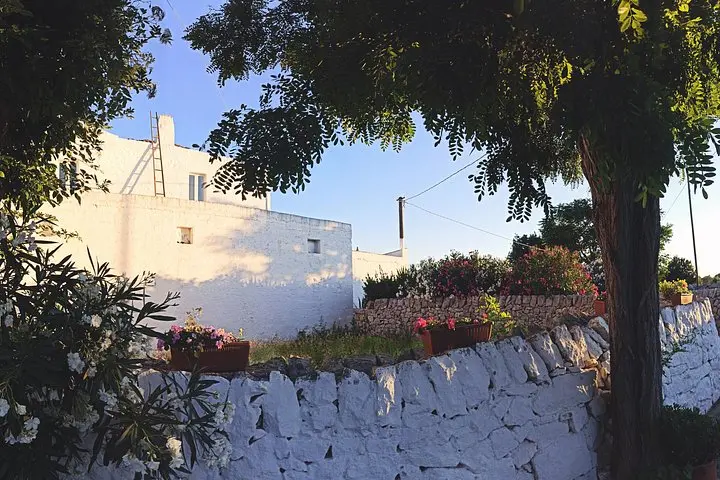
You arrive at a sun-warmed courtyard where the scent of fresh curd hangs in the air and lowing cows punctuate the quiet. Stone walls shade a narrow lane; beyond them the Fragni wood frames fields where animals graze in an old pastoral rhythm. The Masseria Fragnite is both working farm and craft dairy — a place where technique and place converge.
Verified experiences and guided adventures in the surrounding area.
Operated by Masseria Fragnite · Taranto, Puglia
You arrive at a sun-warmed courtyard where the scent of fresh curd hangs in the air and lowing cows punctuate the quiet. Stone walls shade a narrow lane; beyond them the Fragni wood frames fields where animals graze in an old pastoral rhythm. The Masseria Fragnite is both working farm and craft dairy — a place where technique and place converge.
Masserie are a distinctive feature of Puglia’s rural landscape: fortified farmhouses that once combined agriculture and defense. The soils here are limestone-rich, producing forage that subtly shapes milk flavor; the region’s cheesemaking techniques echo centuries-old southern Italian traditions, from stretched-milk mozzarella to aged caciocavallo.
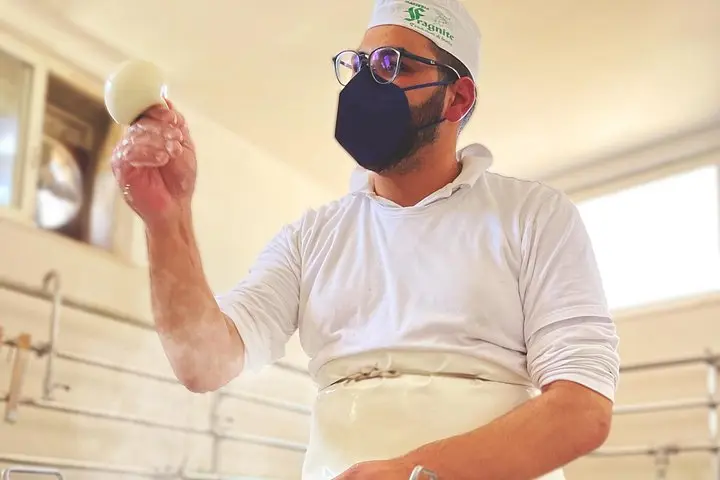
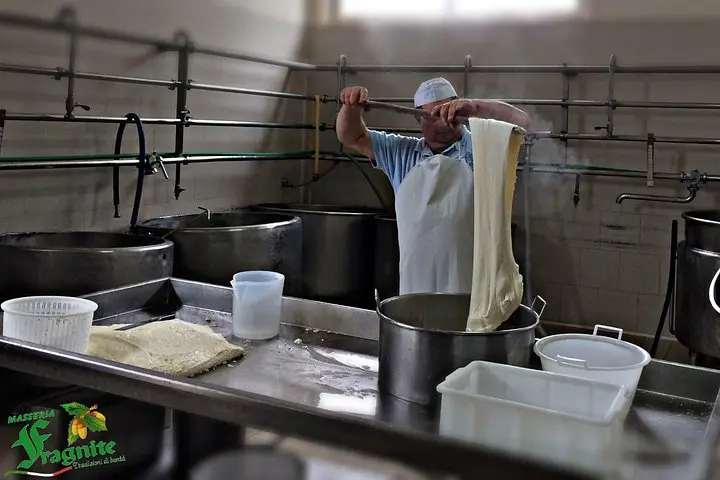
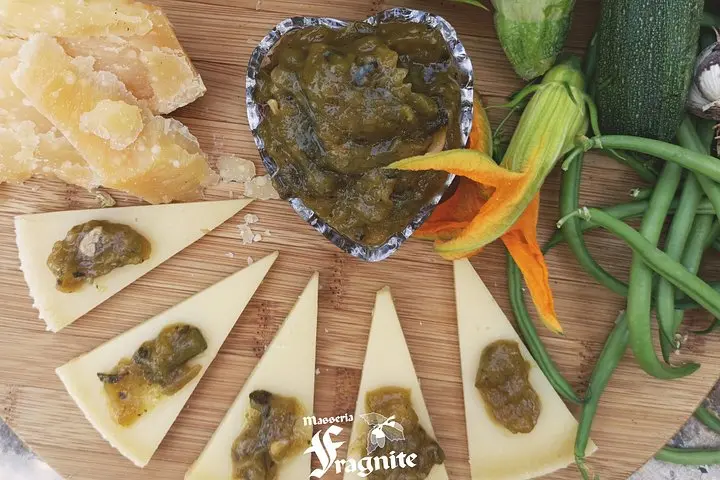
The tour moves from stable to milking parlor, then into the dairy where the mastro casaro (master cheesemaker) demonstrates stretching, filling burrata, and forming caciocavallo. Tastings pair fresh and seasoned cheeses with local focaccia, taralli, cured meats and Apulian wine — an immediate lesson in how climate, animal diet and human craft create region-specific taste.
Practicalities matter: the visit takes 1–3 hours, partly outdoors on uneven farm ground, so wear closed shoes and a light layer. Expect small-group English tours, French on request, and a pet-friendly environment (though pets are not allowed inside the production room). Bring water, camera, and an appetite for both learning and sampling; leave time afterwards to walk the surrounding woodlands and meet the animals. This is a short, sensory-rich farm experience that connects food, place and local heritage.
Yes—pets are welcome on most farm areas but are not allowed inside the dairy/production room for hygiene reasons; keep pets leashed.
The experience notes wheelchair accessibility for most areas, but access to certain production zones may be restricted—confirm specific needs when booking.
Yes—Apulian wine is typically included in the tasting, paired to complement fresh and aged cheeses and local cured meats.
The farm can often adapt tastings for allergies or dietary needs if informed in advance; list restrictions when booking.
Masseria Fragnite operates guided outdoor trips and adventures with an emphasis on safety, stewardship, and memorable experiences.
You arrive at a sun-warmed courtyard where the scent of fresh curd hangs in the air and lowing cows punctuate the quiet. Stone walls shade a narrow lane; beyond them the Fragni wood frames fields where animals graze in an old pastoral rhythm. The Masseria Fragnite is both working farm and craft dairy — a place where technique and place converge.
You arrive at a sun-warmed courtyard where the scent of fresh curd hangs in the air and lowing cows punctuate the quiet. Stone walls shade a narrow lane; beyond them the Fragni wood frames fields where animals graze in an old pastoral rhythm. The Masseria Fragnite is both working farm and craft dairy — a place where technique and place converge.
Masserie are a distinctive feature of Puglia’s rural landscape: fortified farmhouses that once combined agriculture and defense. The soils here are limestone-rich, producing forage that subtly shapes milk flavor; the region’s cheesemaking techniques echo centuries-old southern Italian traditions, from stretched-milk mozzarella to aged caciocavallo.
The tour moves from stable to milking parlor, then into the dairy where the mastro casaro (master cheesemaker) demonstrates stretching, filling burrata, and forming caciocavallo. Tastings pair fresh and seasoned cheeses with local focaccia, taralli, cured meats and Apulian wine — an immediate lesson in how climate, animal diet and human craft create region-specific taste.
Practicalities matter: the visit takes 1–3 hours, partly outdoors on uneven farm ground, so wear closed shoes and a light layer. Expect small-group English tours, French on request, and a pet-friendly environment (though pets are not allowed inside the production room). Bring water, camera, and an appetite for both learning and sampling; leave time afterwards to walk the surrounding woodlands and meet the animals. This is a short, sensory-rich farm experience that connects food, place and local heritage.