THE ADVENTURE COLLECTIVE® · Independent discovery and booking for outdoor travel

Strap into a 330cc quad and follow rutted village tracks from Zanzibar’s northeast coast into pineapple fields, clay-house compounds and baobab-lined clearings. This short, guided safari mixes adrenaline with hands-on village visits and local culture.
Strap into a 330cc quad and follow rutted village tracks from Zanzibar’s northeast coast into pineapple fields, clay-house compounds and baobab-lined clearings. This short, guided safari mixes adrenaline with hands-on village visits and local culture.
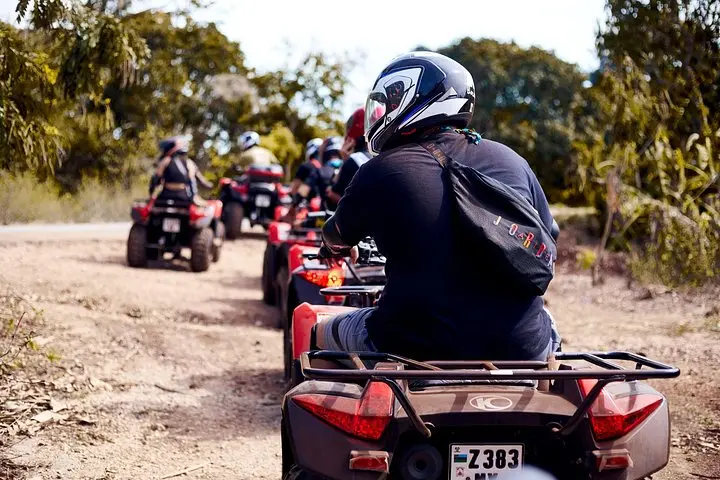
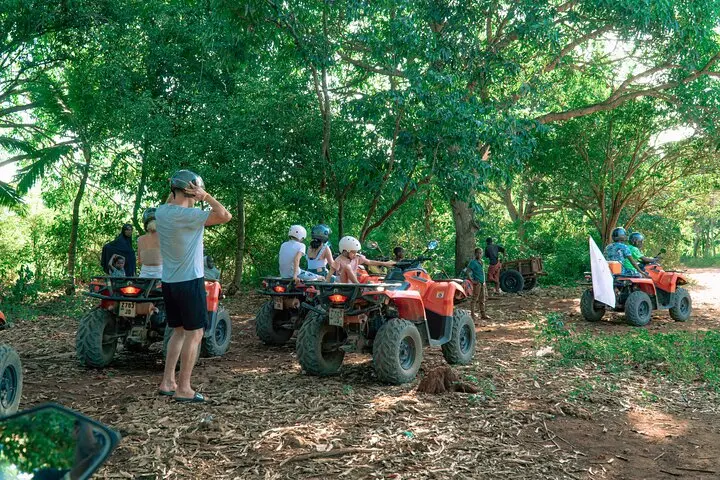
The engine settles into a steady growl as the coast falls away and the village road narrows into red earth and waist-high sugar cane.
Verified experiences and guided adventures in the surrounding area.
Operated by Flash Tours Zanzibar · Zanzibar City, Zanzibar
The engine settles into a steady growl as the coast falls away and the village road narrows into red earth and waist-high sugar cane.
Riders peel off an air-conditioned shuttle, mount automatic 330cc quads and push into a landscape of pineapple plots, clay houses and towering baobabs. The wind scrapes salt from the Indian Ocean; dust rises in strips behind each bike. Guides steer through rutted tracks, pausing at a village compound where children watch as visitors learn about coconut harvesting and traditional clay-making techniques.
Geologically, the northeast coast of Unguja is low coral limestone sitting atop ancient reef terraces; soils are thin and dotted with pockets of richer loam where subsistence farmers grow cassava and sugar cane. Culturally the route crosses spaces shaped by Swahili coastal trade and island subsistence life — you’ll see dhow-framed boatyards, hand-built clay homes, and agricultural plots that have supplied Zanzibar for generations.
Practical notes: expect 90–100 minutes of active riding plus transfer time; machines are automatic and suited to first-time riders but a moderate fitness level helps with handling and balance on uneven tracks. Wear closed-toe shoes, long pants and eye protection; sunscreen and a refillable water bottle are essential. The tour includes bottled water, a safety kit and local guide interpretation; it isn’t recommended for pregnant travelers or those with serious spinal or heart conditions.
This is an accessible, tactile slice of rural Zanzibar — fast enough to feel like a ride, slow enough to drop into village life and leave with a clearer sense of island rhythms.
No — machines are automatic and guides give a briefing, but basic balance and confidence on uneven ground are required.
Age and weight limits vary by operator; bookings typically ask for rider ages and will confirm suitability—children often need to ride as passengers.
Yes — the tour provides helmets and a safety kit; bring your own goggles for a better fit if you have them.
Tours can be canceled for heavy rain or unsafe track conditions; check the cancellation policy and reschedule if necessary.
Flash Tours Zanzibar operates guided outdoor trips and adventures with an emphasis on safety, stewardship, and memorable experiences.


The engine settles into a steady growl as the coast falls away and the village road narrows into red earth and waist-high sugar cane.
The engine settles into a steady growl as the coast falls away and the village road narrows into red earth and waist-high sugar cane.
Riders peel off an air-conditioned shuttle, mount automatic 330cc quads and push into a landscape of pineapple plots, clay houses and towering baobabs. The wind scrapes salt from the Indian Ocean; dust rises in strips behind each bike. Guides steer through rutted tracks, pausing at a village compound where children watch as visitors learn about coconut harvesting and traditional clay-making techniques.
Geologically, the northeast coast of Unguja is low coral limestone sitting atop ancient reef terraces; soils are thin and dotted with pockets of richer loam where subsistence farmers grow cassava and sugar cane. Culturally the route crosses spaces shaped by Swahili coastal trade and island subsistence life — you’ll see dhow-framed boatyards, hand-built clay homes, and agricultural plots that have supplied Zanzibar for generations.
Practical notes: expect 90–100 minutes of active riding plus transfer time; machines are automatic and suited to first-time riders but a moderate fitness level helps with handling and balance on uneven tracks. Wear closed-toe shoes, long pants and eye protection; sunscreen and a refillable water bottle are essential. The tour includes bottled water, a safety kit and local guide interpretation; it isn’t recommended for pregnant travelers or those with serious spinal or heart conditions.
This is an accessible, tactile slice of rural Zanzibar — fast enough to feel like a ride, slow enough to drop into village life and leave with a clearer sense of island rhythms.