THE ADVENTURE COLLECTIVE® · Independent discovery and booking for outdoor travel

Spend a day moving from highland rainforest to thermal pools: a guided walk to Materuni’s dramatic waterfall, a village coffee experience, then a relaxing swim at Chemka (Kikuletwa) Hot Springs. Practical, scenic, and accessible from Arusha or Moshi.
Spend a day moving from highland rainforest to thermal pools: a guided walk to Materuni’s dramatic waterfall, a village coffee experience, then a relaxing swim at Chemka (Kikuletwa) Hot Springs. Practical, scenic, and accessible from Arusha or Moshi.
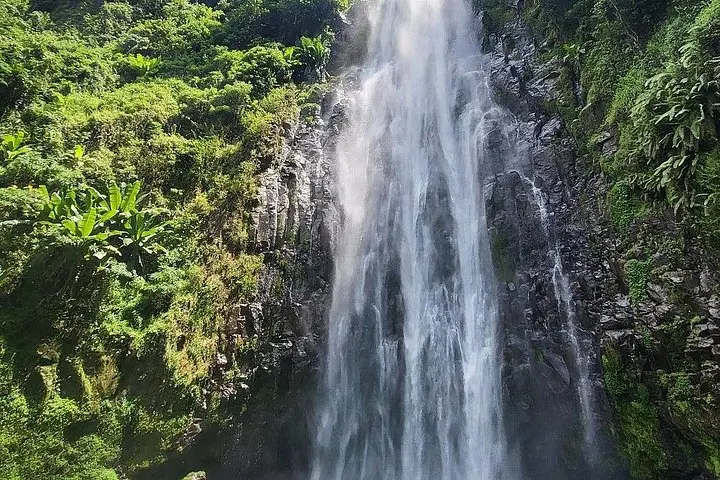
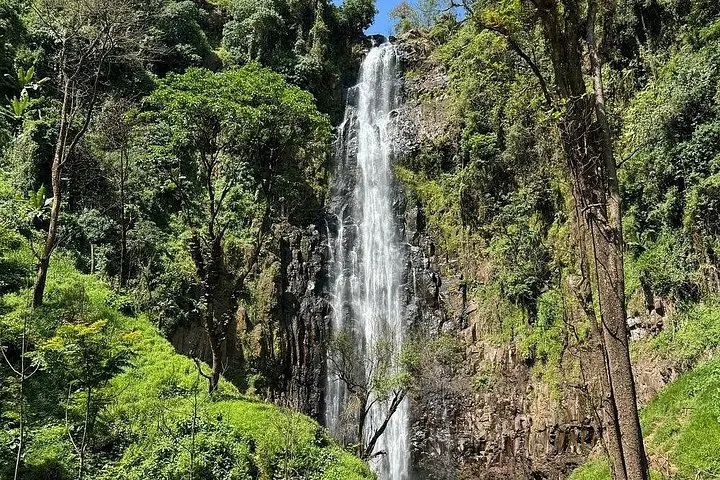
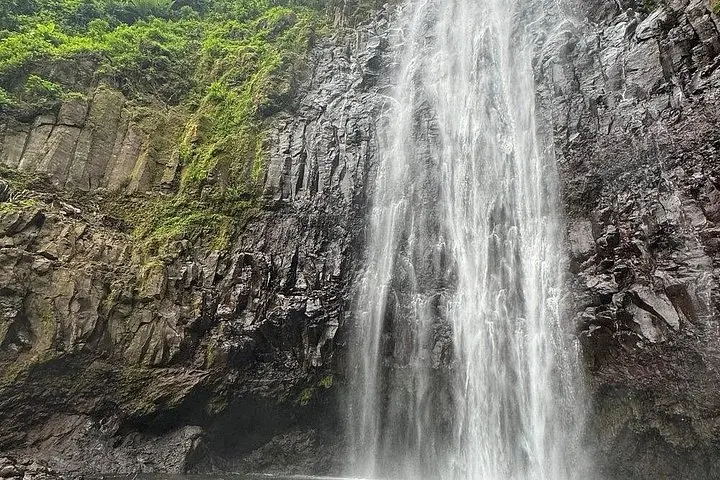
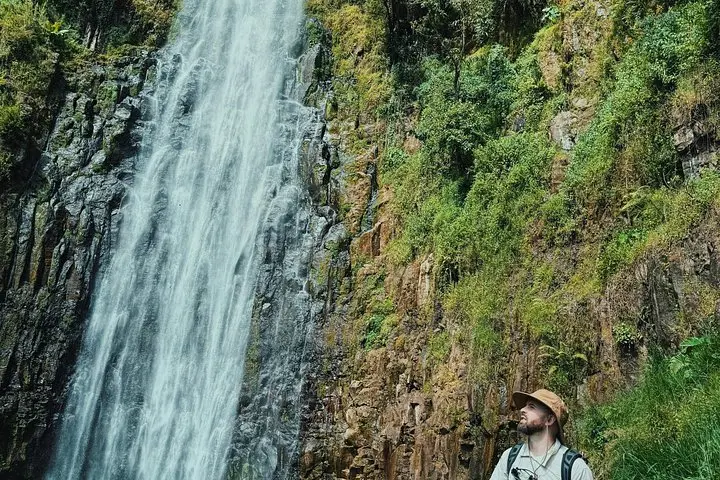
The trail opens with the smell of wet earth and coffee blossoms—steep, terraced fields give way to a shaded corridor of highland forest. You descend toward a 70‑meter curtain of water that drops into an emerald pool, the roar filling the valley and pulling focus away from the cultivated “shambas” of banana, avocado and coffee that cling to the slopes.
Verified experiences and guided adventures in the surrounding area.
Operated by Kiliclimb Africa Safaris · Moshi, Kilimanjaro Region
The trail opens with the smell of wet earth and coffee blossoms—steep, terraced fields give way to a shaded corridor of highland forest. You descend toward a 70‑meter curtain of water that drops into an emerald pool, the roar filling the valley and pulling focus away from the cultivated “shambas” of banana, avocado and coffee that cling to the slopes.
Geologically, Materuni sits on the lower flanks of Mount Kilimanjaro where volcanic soils feed lush growth; groundwater and seasonal melt converge to feed the falls. Culturally, the walk passes Chagga village life—stone homes, coffee fermentation pits and hosts who still mill beans by hand, offering a short lesson in local agriculture and cuisine before lunch.
After the falls the drive moves onto Kikuletwa (Chemka) Hot Springs: clear, warm pools ringed by fig and palm, where locals and visitors jump from ropes and laze in spring‑fed water. The contrast is immediate—highland mist and waterfall spray, then sunlit, placid thermal pools.
Practical notes: expect a 5–9 hour day with uneven trails, slick rocks near the cascade and a short, sometimes steep descent and ascent. Bring sturdy shoes, swimwear and a light towel; carry cash for village snacks and tips. Best light for photos is mid‑morning and late afternoon; go early in the rainy season to avoid slips. Guides typically include lunch, bottled water and transport when departing Arusha or Moshi—confirm pick‑up location and group size when booking.
The trail is moderate—uneven with a steep descent and return climb; most people in regular health can complete it with short breaks.
Yes; the pools are popular for swimming and rope swings, but water temperature and depth vary—exercise caution and supervise children.
Yes—small purchases (coffee, tips, extra snacks) are cash only in local villages; bring Tanzanian shillings if possible.
Most tours offer pickup from Arusha or Moshi; confirm exact pickup point and timing when you book.
Kiliclimb Africa Safaris operates guided outdoor trips and adventures with an emphasis on safety, stewardship, and memorable experiences.
The trail opens with the smell of wet earth and coffee blossoms—steep, terraced fields give way to a shaded corridor of highland forest. You descend toward a 70‑meter curtain of water that drops into an emerald pool, the roar filling the valley and pulling focus away from the cultivated “shambas” of banana, avocado and coffee that cling to the slopes.
The trail opens with the smell of wet earth and coffee blossoms—steep, terraced fields give way to a shaded corridor of highland forest. You descend toward a 70‑meter curtain of water that drops into an emerald pool, the roar filling the valley and pulling focus away from the cultivated “shambas” of banana, avocado and coffee that cling to the slopes.
Geologically, Materuni sits on the lower flanks of Mount Kilimanjaro where volcanic soils feed lush growth; groundwater and seasonal melt converge to feed the falls. Culturally, the walk passes Chagga village life—stone homes, coffee fermentation pits and hosts who still mill beans by hand, offering a short lesson in local agriculture and cuisine before lunch.
After the falls the drive moves onto Kikuletwa (Chemka) Hot Springs: clear, warm pools ringed by fig and palm, where locals and visitors jump from ropes and laze in spring‑fed water. The contrast is immediate—highland mist and waterfall spray, then sunlit, placid thermal pools.
Practical notes: expect a 5–9 hour day with uneven trails, slick rocks near the cascade and a short, sometimes steep descent and ascent. Bring sturdy shoes, swimwear and a light towel; carry cash for village snacks and tips. Best light for photos is mid‑morning and late afternoon; go early in the rainy season to avoid slips. Guides typically include lunch, bottled water and transport when departing Arusha or Moshi—confirm pick‑up location and group size when booking.