THE ADVENTURE COLLECTIVE® · Independent discovery and booking for outdoor travel

Spend a half-day in the Kilimanjaro foothills mixing a Chagga coffee ritual with a 40-minute hike to a dramatic 80–90m waterfall. Expect coffee tasting, terrace farms, and a plunge pool swim — all within three hours and with private transport from Moshi.
Spend a half-day in the Kilimanjaro foothills mixing a Chagga coffee ritual with a 40-minute hike to a dramatic 80–90m waterfall. Expect coffee tasting, terrace farms, and a plunge pool swim — all within three hours and with private transport from Moshi.
A narrow dirt road lifts out of Moshi’s bustle and deposits you into a quieter world: steep green terraces, banana palms flicking their leaves like curious hands, and the distant rumble of water that seems to promise something larger than the village itself. Your guide, born and raised in the foothills of Kilimanjaro, points toward a break in the ridge. If the clouds cooperate, a white crown — Kilimanjaro’s pinnacle of ice — cuts the skyline, watching over the walk.
Verified experiences and guided adventures in the surrounding area.
Operated by Hillborn Organic Coffee · Moshi, Kilimanjaro Region
A narrow dirt road lifts out of Moshi’s bustle and deposits you into a quieter world: steep green terraces, banana palms flicking their leaves like curious hands, and the distant rumble of water that seems to promise something larger than the village itself. Your guide, born and raised in the foothills of Kilimanjaro, points toward a break in the ridge. If the clouds cooperate, a white crown — Kilimanjaro’s pinnacle of ice — cuts the skyline, watching over the walk.
Materuni’s landscape is shaped by volcanic soils and centuries of Chagga agriculture. The Chagga people pioneered intensive terrace farming on these slopes; their coffee gardens, braided irrigation furrows and stone walls are both practical and historical. Geologically the region is volcanic ash and old lava flows from the Kilimanjaro massif, which create fertile soil and a steep, knobby topography that funnels streams into dramatic drops — the reason Materuni’s waterfall exists.
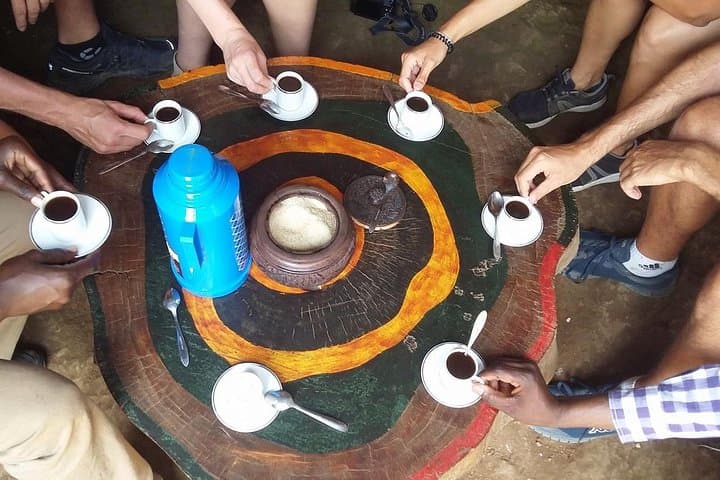
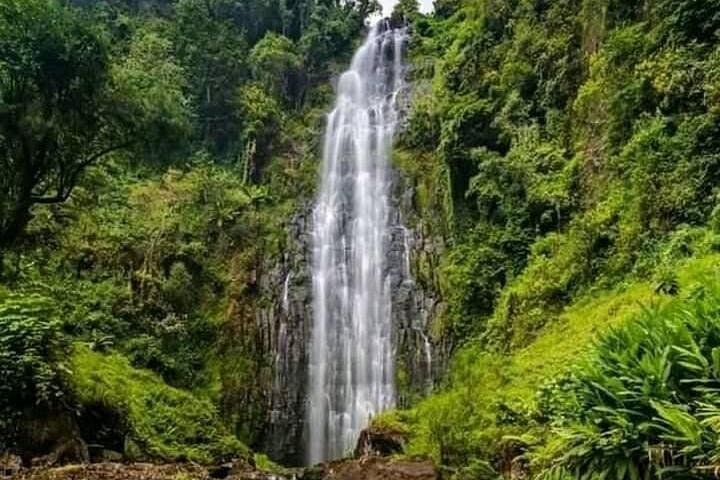
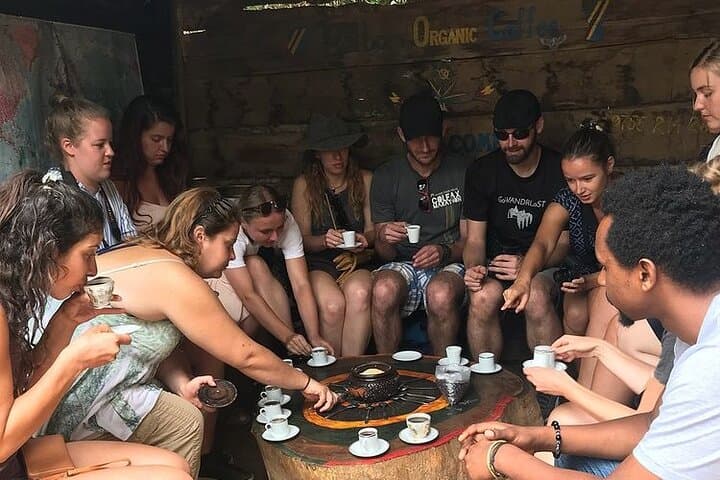
The tour moves from cultural to kinetic: a hands-on coffee demo in a family compound — roasting, hand-grinding and brewing using methods passed down through generations — followed by a brisk 40-minute trek through shaded paths and pastures to the falls. Expect roughly 1–2 kilometers of hiking with 120–250 meters of elevation change, depending on your route. The waterfall plunges about 80–90 meters into a clear plunge pool that dares you to swim; many visitors do, emerging laughing and stunned by the cold.
Local life is visible at every bend: children heading to school, women tending plantings of cardamom and bananas, and small cafés where coffee aroma hangs thick. The guide’s stories stitch personal memory to broader history — colonial trade, coffee as a cash crop, and how tourism now supports community projects.
Practical guidance: the whole private tour runs about three hours, with private transport from Moshi available (extra pickup fees apply outside central Moshi). Trail footwear with a grippy sole is essential; the path can be muddy after rain. Bring swimwear and a quick-dry towel if you plan to jump into the pool. Carry at least 1 liter of water and a light rain jacket — conditions change fast in the foothills.
Timing matters: start mid-morning for clearer views of Kilimanjaro and fuller waterfall flow, or late afternoon for softer light and fewer people. Respect private land and follow your guide; many trails cross family-owned farms. For photographers, the falls framed by coffee bushes and Kilimanjaro in the background make the best compositions. In short: it’s an efficient day of culture, exercise and a memorable dip — a short but layered taste of the Kilimanjaro foothills.
The guided walk is approximately 40 minutes each way for most visitors, covering about 1–2 km with modest elevation gain depending on the route.
Yes—many visitors swim in the natural pool; water is cold and currents can be strong near the base, so enter cautiously and heed your guide’s advice.
The tour is rated physically easy to moderate; younger children can join but the path includes steps and uneven ground—check with the operator about accessibility needs.
Guides on this private tour speak English; operators often employ multilingual guides—confirm at booking if you need another language.
Yes—the Chagga coffee experience typically includes hands-on roasting, grinding and brewing so visitors can learn traditional methods from local hosts.
All fees and taxes are included, but small cash for tips or to buy local snacks or souvenirs is appreciated; Tanzanian shillings are useful in village shops.
Hillborn Organic Coffee operates guided outdoor trips and adventures with an emphasis on safety, stewardship, and memorable experiences.

A narrow dirt road lifts out of Moshi’s bustle and deposits you into a quieter world: steep green terraces, banana palms flicking their leaves like curious hands, and the distant rumble of water that seems to promise something larger than the village itself. Your guide, born and raised in the foothills of Kilimanjaro, points toward a break in the ridge. If the clouds cooperate, a white crown — Kilimanjaro’s pinnacle of ice — cuts the skyline, watching over the walk.
A narrow dirt road lifts out of Moshi’s bustle and deposits you into a quieter world: steep green terraces, banana palms flicking their leaves like curious hands, and the distant rumble of water that seems to promise something larger than the village itself. Your guide, born and raised in the foothills of Kilimanjaro, points toward a break in the ridge. If the clouds cooperate, a white crown — Kilimanjaro’s pinnacle of ice — cuts the skyline, watching over the walk.
Materuni’s landscape is shaped by volcanic soils and centuries of Chagga agriculture. The Chagga people pioneered intensive terrace farming on these slopes; their coffee gardens, braided irrigation furrows and stone walls are both practical and historical. Geologically the region is volcanic ash and old lava flows from the Kilimanjaro massif, which create fertile soil and a steep, knobby topography that funnels streams into dramatic drops — the reason Materuni’s waterfall exists.
The tour moves from cultural to kinetic: a hands-on coffee demo in a family compound — roasting, hand-grinding and brewing using methods passed down through generations — followed by a brisk 40-minute trek through shaded paths and pastures to the falls. Expect roughly 1–2 kilometers of hiking with 120–250 meters of elevation change, depending on your route. The waterfall plunges about 80–90 meters into a clear plunge pool that dares you to swim; many visitors do, emerging laughing and stunned by the cold.
Local life is visible at every bend: children heading to school, women tending plantings of cardamom and bananas, and small cafés where coffee aroma hangs thick. The guide’s stories stitch personal memory to broader history — colonial trade, coffee as a cash crop, and how tourism now supports community projects.
Practical guidance: the whole private tour runs about three hours, with private transport from Moshi available (extra pickup fees apply outside central Moshi). Trail footwear with a grippy sole is essential; the path can be muddy after rain. Bring swimwear and a quick-dry towel if you plan to jump into the pool. Carry at least 1 liter of water and a light rain jacket — conditions change fast in the foothills.
Timing matters: start mid-morning for clearer views of Kilimanjaro and fuller waterfall flow, or late afternoon for softer light and fewer people. Respect private land and follow your guide; many trails cross family-owned farms. For photographers, the falls framed by coffee bushes and Kilimanjaro in the background make the best compositions. In short: it’s an efficient day of culture, exercise and a memorable dip — a short but layered taste of the Kilimanjaro foothills.