THE ADVENTURE COLLECTIVE® · Independent discovery and booking for outdoor travel

Hike through Chagga farmland to an 80-meter waterfall, learn traditional coffee craft in a village homestead, then unwind in the turquoise Chemka Hot Springs. This full-day loop from Moshi pairs active trail time with cultural exchange and a restorative soak.
Hike through Chagga farmland to an 80-meter waterfall, learn traditional coffee craft in a village homestead, then unwind in the turquoise Chemka Hot Springs. This full-day loop from Moshi pairs active trail time with cultural exchange and a restorative soak.
You step into the day before sunrise: an air-conditioned minivan idles at your hotel entrance while the driver checks the names on a small cardboard sign. The road toward Materuni peels away from Moshi’s dusty edge into rolling farmland—banana groves, avocado trees, and narrow footpaths where women in bright fabrics move with purpose. On clear mornings Mount Kilimanjaro punctures the horizon; otherwise the slopes emerge as a distant wall of cloud.
Verified experiences and guided adventures in the surrounding area.
Operated by Kuhe tours · Moshi, Kilimanjaro Region
You step into the day before sunrise: an air-conditioned minivan idles at your hotel entrance while the driver checks the names on a small cardboard sign. The road toward Materuni peels away from Moshi’s dusty edge into rolling farmland—banana groves, avocado trees, and narrow footpaths where women in bright fabrics move with purpose. On clear mornings Mount Kilimanjaro punctures the horizon; otherwise the slopes emerge as a distant wall of cloud.
The walk to Materuni Waterfall begins with a mud-slick farmers’ trail that tests your traction and patience. Expect about 40 minutes of steady hiking (roughly 1.5–2 km one-way), with short steep sections and loose stone underfoot. The forest opens suddenly to the falls: an 80-meter curtain of water that throws spray like a cool flag against the forest. The pool at the bottom invites a quick swim; the water is glacier-fed but moderated by the highland canopy.
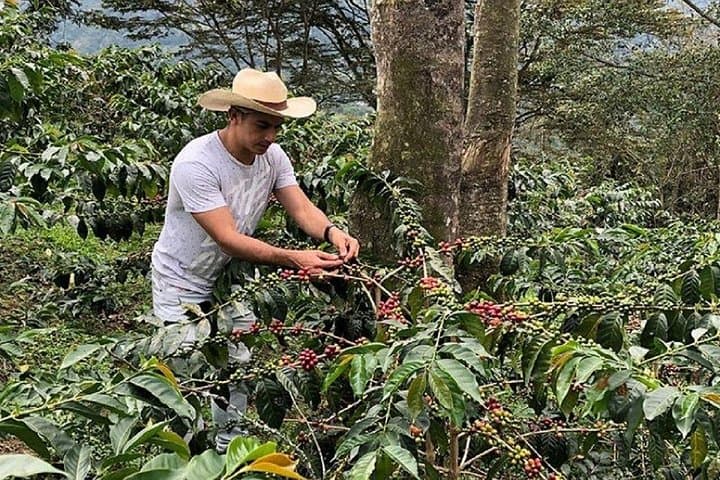
This landscape is volcanic at heart. Rich, red soils around Materuni come from centuries of eroded Kilimanjaro ash and lava, which is why the Chagga people developed intensive terrace farming here. Coffee—Arabica grown in shaded plots—has shaped both land and culture for generations. After the falls, a guide leads you back to a family homestead where coffee is treated like craft and ceremony. You’ll see drying racks, the roast over coals, and even join in traditional hand-grinding while elders hum work songs. Lunch follows: classic Chagga dishes and a taste of banana beer, often brewed with village-specific methods.
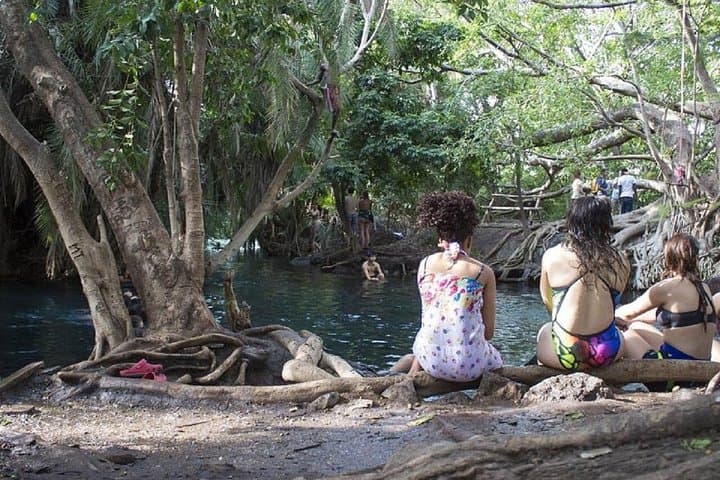
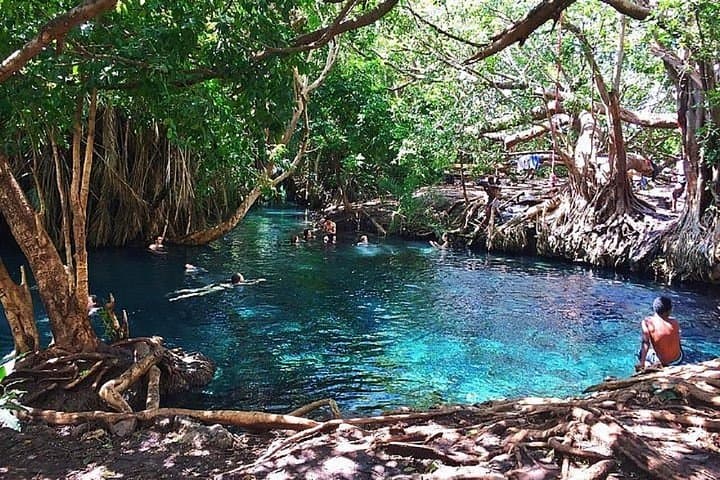
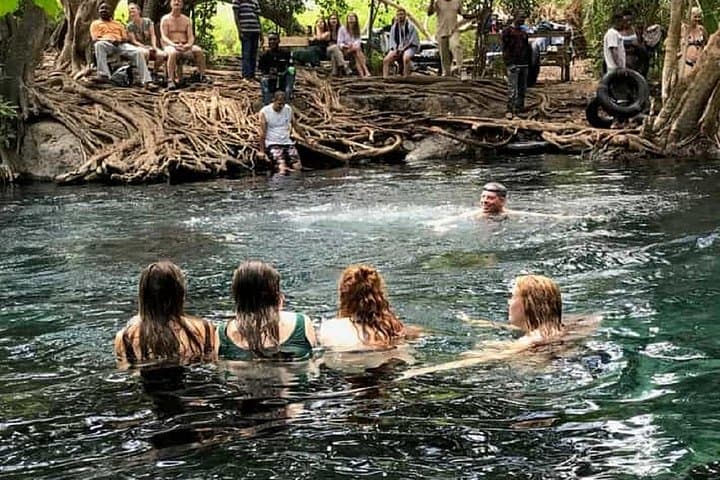
The day closes at Kikuletwa (Chemka) Hot Springs, a short drive of rural lanes. The spring’s clear, turquoise pools are fed by underground aquifers draining Kilimanjaro’s slopes; palm trees and jacaranda shade the edges while locals fish and picnic. It’s an easy, restorative soak after the hike—just be mindful of sudden depth changes and conserve plastic.
Practical nuts and bolts: the tour runs about 10–11 hours with hotel pickup from Arusha or Moshi, includes lunch, bottled water, and a licensed guide, and is suitable for reasonably fit travelers. Trails can be muddy; sturdy boots and a quick-dry change of clothes make the day more enjoyable. Bring local cash for tips and souvenirs, and plan for variable weather—mornings can be crisp, mid-day humid, and late afternoons rainy.
This is a single-day slice of northern Tanzania that mixes active hiking, cultural connection, and a gentle dip in tropical springs—an accessible way to feel the region’s geography, history, and hospitality in one thoughtful loop.
The one-way hike is about 40 minutes (roughly 1.5–2 km) over uneven, sometimes steep terrain—plan for muddy sections after rain.
Yes, swimming is allowed at both spots; water is cool in the fall pool and clearer at Chemka, but depths vary—use caution.
Bring small Tanzanian shillings for tips, souvenirs, and extras; the tour includes lunch and bottled water, but local vendors may accept only cash.
The tour is family-friendly but involves uneven trails; families with young children or travelers with limited mobility should check with the operator first.
Layered clothing, sturdy boots, and swimwear under quick-dry clothing work best; bring sun protection and a light rain jacket.
Yes—the tour description notes that admissions and fees are included, along with a licensed English-speaking guide.
Kuhe tours operates guided outdoor trips and adventures with an emphasis on safety, stewardship, and memorable experiences.
You step into the day before sunrise: an air-conditioned minivan idles at your hotel entrance while the driver checks the names on a small cardboard sign. The road toward Materuni peels away from Moshi’s dusty edge into rolling farmland—banana groves, avocado trees, and narrow footpaths where women in bright fabrics move with purpose. On clear mornings Mount Kilimanjaro punctures the horizon; otherwise the slopes emerge as a distant wall of cloud.
You step into the day before sunrise: an air-conditioned minivan idles at your hotel entrance while the driver checks the names on a small cardboard sign. The road toward Materuni peels away from Moshi’s dusty edge into rolling farmland—banana groves, avocado trees, and narrow footpaths where women in bright fabrics move with purpose. On clear mornings Mount Kilimanjaro punctures the horizon; otherwise the slopes emerge as a distant wall of cloud.
The walk to Materuni Waterfall begins with a mud-slick farmers’ trail that tests your traction and patience. Expect about 40 minutes of steady hiking (roughly 1.5–2 km one-way), with short steep sections and loose stone underfoot. The forest opens suddenly to the falls: an 80-meter curtain of water that throws spray like a cool flag against the forest. The pool at the bottom invites a quick swim; the water is glacier-fed but moderated by the highland canopy.
This landscape is volcanic at heart. Rich, red soils around Materuni come from centuries of eroded Kilimanjaro ash and lava, which is why the Chagga people developed intensive terrace farming here. Coffee—Arabica grown in shaded plots—has shaped both land and culture for generations. After the falls, a guide leads you back to a family homestead where coffee is treated like craft and ceremony. You’ll see drying racks, the roast over coals, and even join in traditional hand-grinding while elders hum work songs. Lunch follows: classic Chagga dishes and a taste of banana beer, often brewed with village-specific methods.
The day closes at Kikuletwa (Chemka) Hot Springs, a short drive of rural lanes. The spring’s clear, turquoise pools are fed by underground aquifers draining Kilimanjaro’s slopes; palm trees and jacaranda shade the edges while locals fish and picnic. It’s an easy, restorative soak after the hike—just be mindful of sudden depth changes and conserve plastic.
Practical nuts and bolts: the tour runs about 10–11 hours with hotel pickup from Arusha or Moshi, includes lunch, bottled water, and a licensed guide, and is suitable for reasonably fit travelers. Trails can be muddy; sturdy boots and a quick-dry change of clothes make the day more enjoyable. Bring local cash for tips and souvenirs, and plan for variable weather—mornings can be crisp, mid-day humid, and late afternoons rainy.
This is a single-day slice of northern Tanzania that mixes active hiking, cultural connection, and a gentle dip in tropical springs—an accessible way to feel the region’s geography, history, and hospitality in one thoughtful loop.