THE ADVENTURE COLLECTIVE® · Independent discovery and booking for outdoor travel

Spend a full day from Moshi hiking to Materuni Waterfall, learning Chagga coffee culture, then cooling off at Chemka (Kikuletwa) Hot Springs. This day trip mixes short forest hikes, cultural insights, and crystal-clear swimming pools.
Spend a full day from Moshi hiking to Materuni Waterfall, learning Chagga coffee culture, then cooling off at Chemka (Kikuletwa) Hot Springs. This day trip mixes short forest hikes, cultural insights, and crystal-clear swimming pools.
You step out of the van into warm highland air, Kilimanjaro’s distant slopes pressing the horizon as the forest opens. A shaded trail leads you through banana terraces and coffee plots, the path alive with bird calls and the scent of wet earth. The hike to Materuni Waterfall drops through layered farmland into a pocket of forest; water hurls itself over rock and dares you closer with a cool, misted spray.
Verified experiences and guided adventures in the surrounding area.
Operated by Moshi Safari Ventures · Moshi, Kilimanjaro Region
You step out of the van into warm highland air, Kilimanjaro’s distant slopes pressing the horizon as the forest opens. A shaded trail leads you through banana terraces and coffee plots, the path alive with bird calls and the scent of wet earth. The hike to Materuni Waterfall drops through layered farmland into a pocket of forest; water hurls itself over rock and dares you closer with a cool, misted spray.
The route follows long-settled Chagga farmland—stone terraces and coffee trees reflecting generations of small-scale cultivation. Geologically, this landscape is young volcanic country shaped by Kilimanjaro’s eruptions; streams have carved gullies and created the limestone pockets that feed Chemka, also called Kikuletwa, where underground springs surface into vivid, clear pools. Local guides weave cultural context into the walk: how coffee processing works, and how water rights and seasonal rains shape village life.
By midday the itinerary shifts from forest to open savanna and river corridors, arriving at Chemka Hot Springs where sunlight makes the water glow turquoise. Expect easy swims, floating in calm basins, and optional mud or fish massage stations run by local operators.
Practical guidance: wear sturdy trail shoes for wet rocks and steps, bring swimwear and a towel, carry cash for village purchases, and plan for a full day with round-trip transport from Moshi. Hydrate early—altitude and sun make the hike feel harder than the distance alone suggests. Respect local customs, stick to marked paths, and leave no trace to keep these freshwater systems healthy for the communities that depend on them.
The hike from the village to the waterfall typically takes 20–40 minutes each way depending on pace and stops for views.
Yes—Chemka’s clear pools are open for swimming; parts of the site have shallow areas suitable for relaxed floating and deeper sections for swimmers.
Many tours include park or site fees and lunch; confirm with your operator whether Materuni conservation fees or hot spring access costs are covered in your booking.
Children can join but should be supervised on wet trails and around water; check the operator’s age guidelines and inform guides of any infants or young children ahead of time.
Moshi Safari Ventures operates guided outdoor trips and adventures with an emphasis on safety, stewardship, and memorable experiences.

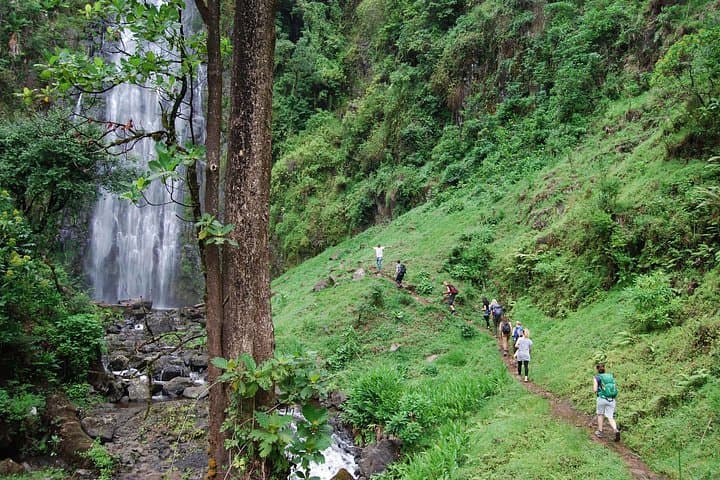


You step out of the van into warm highland air, Kilimanjaro’s distant slopes pressing the horizon as the forest opens. A shaded trail leads you through banana terraces and coffee plots, the path alive with bird calls and the scent of wet earth. The hike to Materuni Waterfall drops through layered farmland into a pocket of forest; water hurls itself over rock and dares you closer with a cool, misted spray.
You step out of the van into warm highland air, Kilimanjaro’s distant slopes pressing the horizon as the forest opens. A shaded trail leads you through banana terraces and coffee plots, the path alive with bird calls and the scent of wet earth. The hike to Materuni Waterfall drops through layered farmland into a pocket of forest; water hurls itself over rock and dares you closer with a cool, misted spray.
The route follows long-settled Chagga farmland—stone terraces and coffee trees reflecting generations of small-scale cultivation. Geologically, this landscape is young volcanic country shaped by Kilimanjaro’s eruptions; streams have carved gullies and created the limestone pockets that feed Chemka, also called Kikuletwa, where underground springs surface into vivid, clear pools. Local guides weave cultural context into the walk: how coffee processing works, and how water rights and seasonal rains shape village life.
By midday the itinerary shifts from forest to open savanna and river corridors, arriving at Chemka Hot Springs where sunlight makes the water glow turquoise. Expect easy swims, floating in calm basins, and optional mud or fish massage stations run by local operators.
Practical guidance: wear sturdy trail shoes for wet rocks and steps, bring swimwear and a towel, carry cash for village purchases, and plan for a full day with round-trip transport from Moshi. Hydrate early—altitude and sun make the hike feel harder than the distance alone suggests. Respect local customs, stick to marked paths, and leave no trace to keep these freshwater systems healthy for the communities that depend on them.