THE ADVENTURE COLLECTIVE® · Independent discovery and booking for outdoor travel

Walk from the slopes of Kilimanjaro into a rainforest that leads to a thundering glacier-fed fall, then learn how Chagga farmers turn cherries into the region’s brightest coffee. This full-day tour blends a brisk hike, a cold swim and a hands-on coffee lesson.
Walk from the slopes of Kilimanjaro into a rainforest that leads to a thundering glacier-fed fall, then learn how Chagga farmers turn cherries into the region’s brightest coffee. This full-day tour blends a brisk hike, a cold swim and a hands-on coffee lesson.
You step off the dusty minibus into a cool breath of rainforest that seems to come straight down from Kilimanjaro. A narrow track threads between banana leaves and coffee shrubs; the air smells of wet earth and bright green fruit. Your guide points to a glossy leaf and tells a Chagga story — a practical lesson about a plant that fixes a fever or sweetens a brew — and the walk becomes a lesson as much as a path.
Verified experiences and guided adventures in the surrounding area.
Operated by Kim'zebra Adventures & Safaris · Moshi, Kilimanjaro Region
You step off the dusty minibus into a cool breath of rainforest that seems to come straight down from Kilimanjaro. A narrow track threads between banana leaves and coffee shrubs; the air smells of wet earth and bright green fruit. Your guide points to a glossy leaf and tells a Chagga story — a practical lesson about a plant that fixes a fever or sweetens a brew — and the walk becomes a lesson as much as a path.
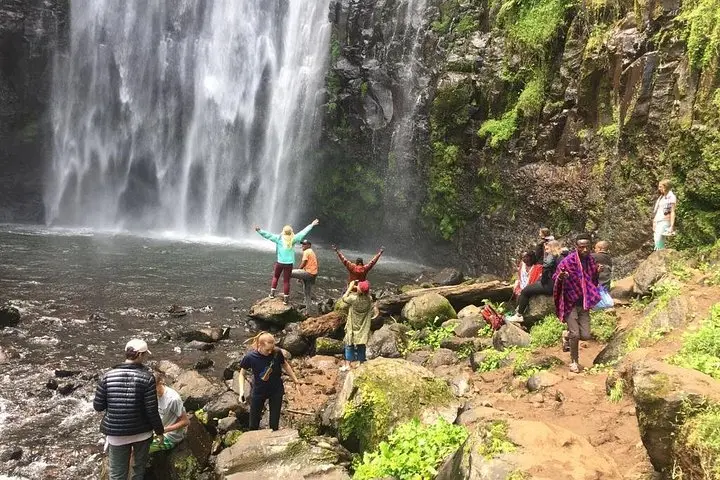
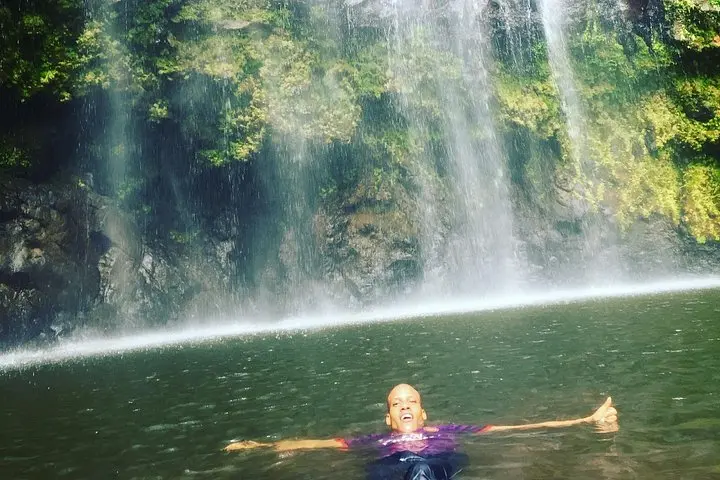
Materuni sits on Kilimanjaro’s lower flanks, roughly 1,800 meters above sea level, where glacial melt still feeds streams that dare you to get close. The 45-minute hike to the falls drops into a small valley with sheer cliffs rising as high as 60 meters. The waterfall itself is honest and blunt: a curtain of mountain water that thunders into a chilly pool, the temperature reminding you that it began as ice above the clouds.
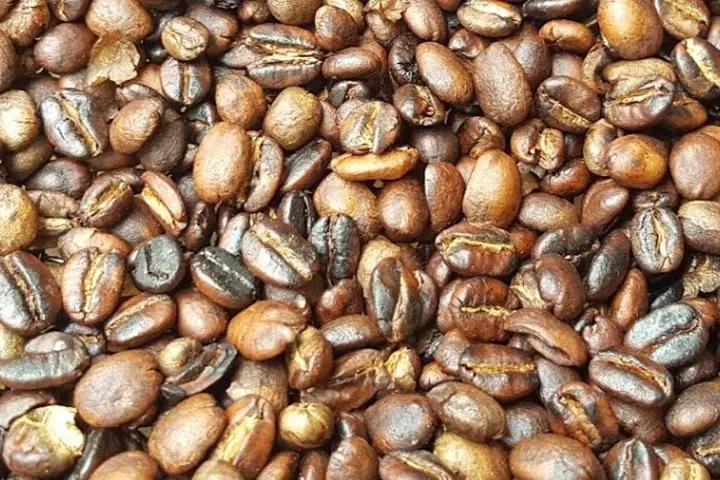
This corner of the Kilimanjaro foothills is Chagga country. The Chagga people have farmed these slopes for centuries, shaping terraced plots, irrigations and coffee gardens. Materuni’s coffee is high-grown Arabica — small family plots, hand-processed cherries, and a roasting style that favors bright floral notes. The village lesson after the swim takes you from hand-picking to roasting and offers the simplest, truest cup you’ll find in northern Tanzania.
Geology here is straightforward: volcanic soils from Kilimanjaro make the ground rich, water carves steep ravines, and the falls mark one of the many outlets where meltwater concentrates. Expect birds to call from the canopy, and if you move quietly you might spot colobus or blue monkeys among the trees.
Practical side: the trail is a mix of packed earth, roots and occasional rock. Wear shoes with grip and expect a steady uphill on the return. The water is cold — glacier-fed — so swim at your own risk and warm up with a cup of fresh-roasted coffee afterward. Guides from Materuni are knowledgeable and local; their stories about medicinal plants and coffee processing are part of the experience and included in most tours.
Timing matters: mid-morning offers soft light and fewer cloud-driven rains, but an early start gives you clearer views of Kilimanjaro if the mountain decides to show itself. Bring a light rain shell, insect repellent, and a small towel. Respect the village: cover shoulders and knees when visiting homes, ask before photographing people, and consider buying coffee directly from the farmers — it’s the best way to keep benefits local.
Materuni is not just a waterfall and a lesson in coffee — it’s a compact immersion in the living slopes of Kilimanjaro. The hike asks for steady legs, the pool asks for a quick shock of cold, and the coffee asks you to pay attention. Do all three, and you leave knowing a simple mountain-crop lifecycle from bush to cup.
The main walking section is about 45 minutes each way on a mixed dirt and root trail; expect 1.5–2 hours round-trip for the hike portion.
Yes, you can swim, but the water is glacier-fed and very cold — swim at your own risk and follow your guide’s advice.
Yes; the hands-on processing and roasting are family-friendly, though younger children should be supervised around hot equipment and steep paths.
Casual, modest clothing is best — cover shoulders and knees when entering homes and interact politely with residents.
Not recommended for those with significant spinal, cardiovascular, or pregnancy-related concerns due to hiking demands and remote terrain.
Most operators offer hotel pickup from Moshi or Arusha; confirm pickup time and location when you book, typically 30 minutes before departure.
Kim'zebra Adventures & Safaris operates guided outdoor trips and adventures with an emphasis on safety, stewardship, and memorable experiences.
You step off the dusty minibus into a cool breath of rainforest that seems to come straight down from Kilimanjaro. A narrow track threads between banana leaves and coffee shrubs; the air smells of wet earth and bright green fruit. Your guide points to a glossy leaf and tells a Chagga story — a practical lesson about a plant that fixes a fever or sweetens a brew — and the walk becomes a lesson as much as a path.
You step off the dusty minibus into a cool breath of rainforest that seems to come straight down from Kilimanjaro. A narrow track threads between banana leaves and coffee shrubs; the air smells of wet earth and bright green fruit. Your guide points to a glossy leaf and tells a Chagga story — a practical lesson about a plant that fixes a fever or sweetens a brew — and the walk becomes a lesson as much as a path.
Materuni sits on Kilimanjaro’s lower flanks, roughly 1,800 meters above sea level, where glacial melt still feeds streams that dare you to get close. The 45-minute hike to the falls drops into a small valley with sheer cliffs rising as high as 60 meters. The waterfall itself is honest and blunt: a curtain of mountain water that thunders into a chilly pool, the temperature reminding you that it began as ice above the clouds.
This corner of the Kilimanjaro foothills is Chagga country. The Chagga people have farmed these slopes for centuries, shaping terraced plots, irrigations and coffee gardens. Materuni’s coffee is high-grown Arabica — small family plots, hand-processed cherries, and a roasting style that favors bright floral notes. The village lesson after the swim takes you from hand-picking to roasting and offers the simplest, truest cup you’ll find in northern Tanzania.
Geology here is straightforward: volcanic soils from Kilimanjaro make the ground rich, water carves steep ravines, and the falls mark one of the many outlets where meltwater concentrates. Expect birds to call from the canopy, and if you move quietly you might spot colobus or blue monkeys among the trees.
Practical side: the trail is a mix of packed earth, roots and occasional rock. Wear shoes with grip and expect a steady uphill on the return. The water is cold — glacier-fed — so swim at your own risk and warm up with a cup of fresh-roasted coffee afterward. Guides from Materuni are knowledgeable and local; their stories about medicinal plants and coffee processing are part of the experience and included in most tours.
Timing matters: mid-morning offers soft light and fewer cloud-driven rains, but an early start gives you clearer views of Kilimanjaro if the mountain decides to show itself. Bring a light rain shell, insect repellent, and a small towel. Respect the village: cover shoulders and knees when visiting homes, ask before photographing people, and consider buying coffee directly from the farmers — it’s the best way to keep benefits local.
Materuni is not just a waterfall and a lesson in coffee — it’s a compact immersion in the living slopes of Kilimanjaro. The hike asks for steady legs, the pool asks for a quick shock of cold, and the coffee asks you to pay attention. Do all three, and you leave knowing a simple mountain-crop lifecycle from bush to cup.