THE ADVENTURE COLLECTIVE® · Independent discovery and booking for outdoor travel

A compact hike through coffee farms and forest leads to a dramatic 90‑meter cascade, followed by a hands‑on Chagga coffee demonstration. Ideal for travelers based in Moshi seeking a mix of nature and culture.
A compact hike through coffee farms and forest leads to a dramatic 90‑meter cascade, followed by a hands‑on Chagga coffee demonstration. Ideal for travelers based in Moshi seeking a mix of nature and culture.
Morning mist lifts off the banana leaves as you step onto a dirt track leading from Materuni village toward the falls.
The path slips between small farms and coffee terraces, the air heavy with earth and fresh bean aroma — an immediate reminder that this is working land as much as it is wilderness.
Verified experiences and guided adventures in the surrounding area.
Operated by RIOBA SAFARIS · Materuni, Kilimanjaro Region
Morning mist lifts off the banana leaves as you step onto a dirt track leading from Materuni village toward the falls.
The path slips between small farms and coffee terraces, the air heavy with earth and fresh bean aroma — an immediate reminder that this is working land as much as it is wilderness.
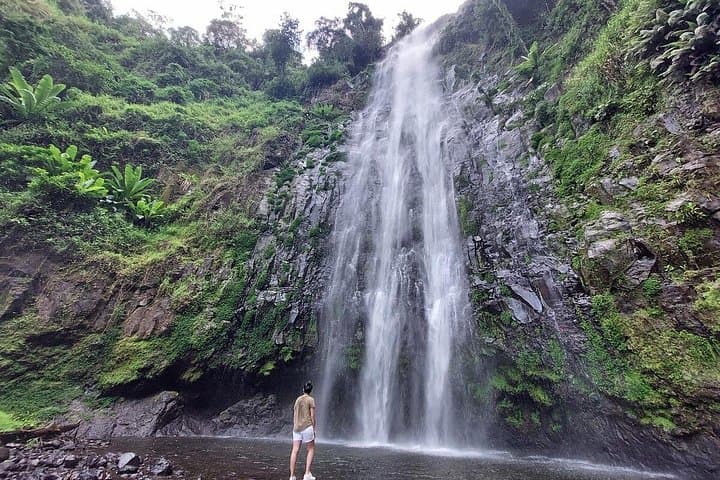
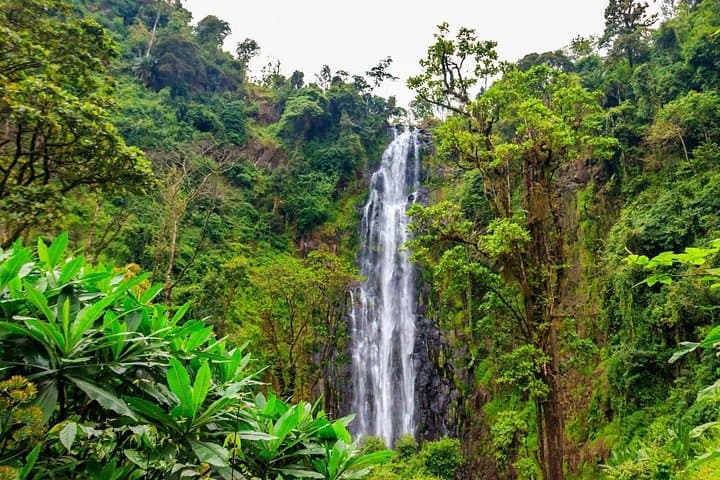
Geology here is simple and visible: streams fed by Kilimanjaro’s slopes have cut through volcanic soils to form a 90‑meter cascade framed by dense tropical vegetation.
The Chagga people have farmed these foothills for generations, shaping terraces and a coffee culture you’ll meet face‑to‑face when villagers roast and brew beans by hand.
The hike to the base is short but engaging — expect 30–60 minutes each way over uneven, often muddy trails with a few steep sections.
There are stone steps and switchbacks; sections can be slick after rain and narrow where streams cross. Bring shoes that grip.
At the falls you can rest on boulders, take photos, or wade in shallow pools if conditions and guides allow.
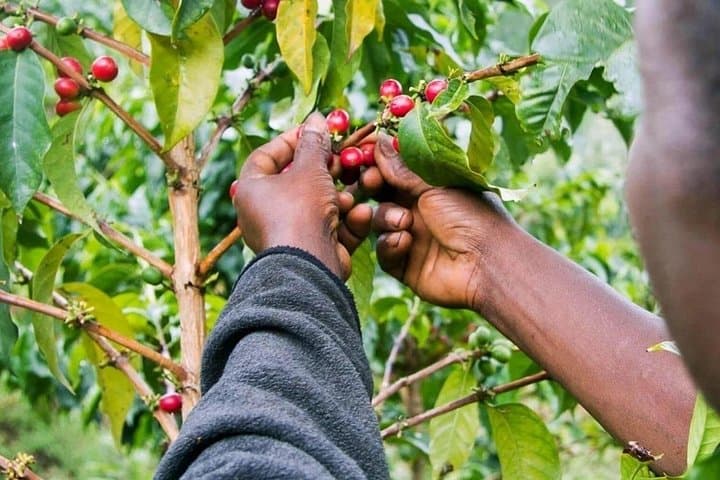
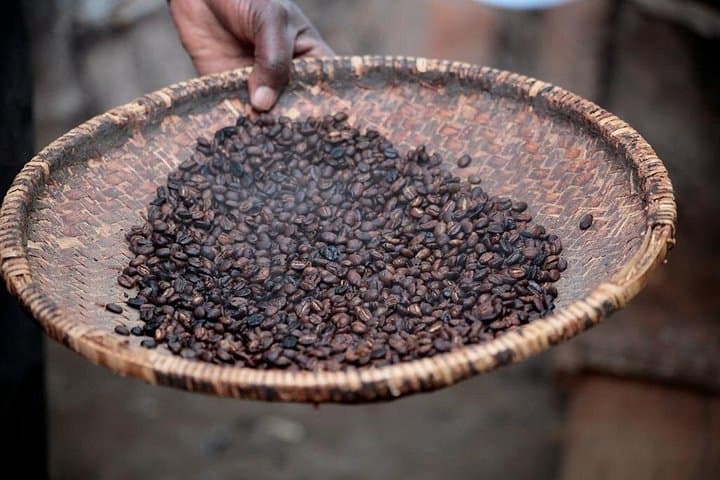
After the waterfall, the cultural segment is practical and hands‑on: picking, roasting, grinding, then tasting the coffee you helped prepare while hosts describe Chagga life.
This half‑day outing suits travelers based in Moshi or on a Kilimanjaro approach day and works best early in the day to avoid mid‑afternoon rain and crowds.
Practical edge: carry water, a lightweight rain layer, and a small tip for your guide — the trail rewards steady steps and respectful curiosity.
The walk from the village to the waterfall typically takes 30–60 minutes each way depending on pace and stops for photos.
In many conditions you can wade or swim in shallow pools, but always follow your guide’s advice about safety and current strength.
Yes — most operators include pick‑up and drop‑off from Moshi or nearby lodgings in an air‑conditioned vehicle as part of the tour.
Yes, but infants may need to sit on laps during transport and children should be able to handle uneven terrain; operators often recommend a moderate fitness level.
RIOBA SAFARIS operates guided outdoor trips and adventures with an emphasis on safety, stewardship, and memorable experiences.
Morning mist lifts off the banana leaves as you step onto a dirt track leading from Materuni village toward the falls.
The path slips between small farms and coffee terraces, the air heavy with earth and fresh bean aroma — an immediate reminder that this is working land as much as it is wilderness.
Morning mist lifts off the banana leaves as you step onto a dirt track leading from Materuni village toward the falls.
The path slips between small farms and coffee terraces, the air heavy with earth and fresh bean aroma — an immediate reminder that this is working land as much as it is wilderness.
Geology here is simple and visible: streams fed by Kilimanjaro’s slopes have cut through volcanic soils to form a 90‑meter cascade framed by dense tropical vegetation.
The Chagga people have farmed these foothills for generations, shaping terraces and a coffee culture you’ll meet face‑to‑face when villagers roast and brew beans by hand.
The hike to the base is short but engaging — expect 30–60 minutes each way over uneven, often muddy trails with a few steep sections.
There are stone steps and switchbacks; sections can be slick after rain and narrow where streams cross. Bring shoes that grip.
At the falls you can rest on boulders, take photos, or wade in shallow pools if conditions and guides allow.
After the waterfall, the cultural segment is practical and hands‑on: picking, roasting, grinding, then tasting the coffee you helped prepare while hosts describe Chagga life.
This half‑day outing suits travelers based in Moshi or on a Kilimanjaro approach day and works best early in the day to avoid mid‑afternoon rain and crowds.
Practical edge: carry water, a lightweight rain layer, and a small tip for your guide — the trail rewards steady steps and respectful curiosity.