THE ADVENTURE COLLECTIVE® · Independent discovery and booking for outdoor travel

A half-day hike from Materuni village leads to a refreshing waterfall, a hands-on coffee demonstration and a taste of Chagga village life. This guide previews the route, local insights and practical tips to plan your visit.
A half-day hike from Materuni village leads to a refreshing waterfall, a hands-on coffee demonstration and a taste of Chagga village life. This guide previews the route, local insights and practical tips to plan your visit.
You step off the jeep onto a red-clay path and the village exhales: steam from cooking fires, the distant hiss of water, and the scent of roasted coffee drifting down from a small dry mill.
Verified experiences and guided adventures in the surrounding area.
Operated by Aquila Venture Tours and Safaris · Moshi, Kilimanjaro Region
You step off the jeep onto a red-clay path and the village exhales: steam from cooking fires, the distant hiss of water, and the scent of roasted coffee drifting down from a small dry mill.
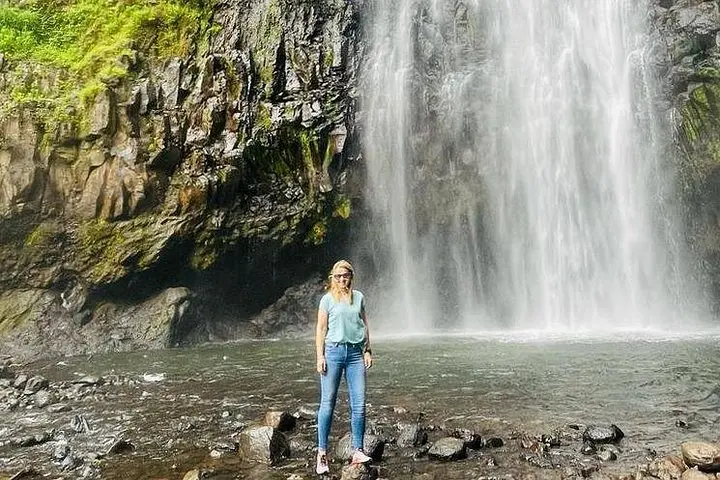
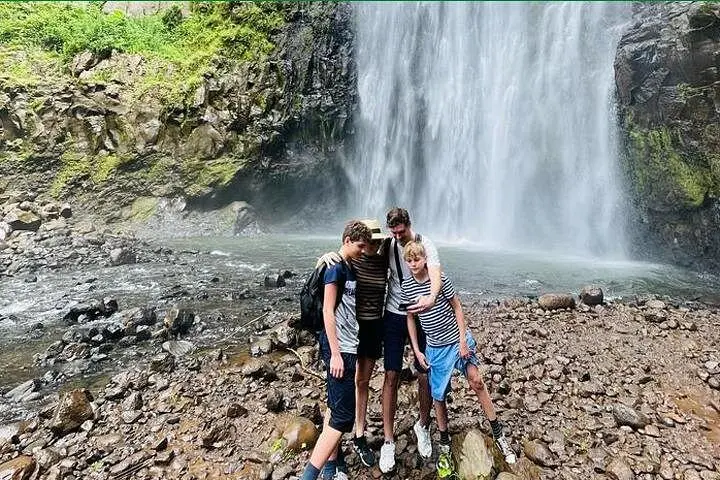
Materuni sits on Kilimanjaro’s southern foothills at roughly 1,300 m elevation; the waterfall itself drops through volcanic rock carved by seasonal streams. The falls are fed by highland runoff and small springs that cut through lava flows and fertile soils, the same earth that made Chagga agriculture thrive for centuries.
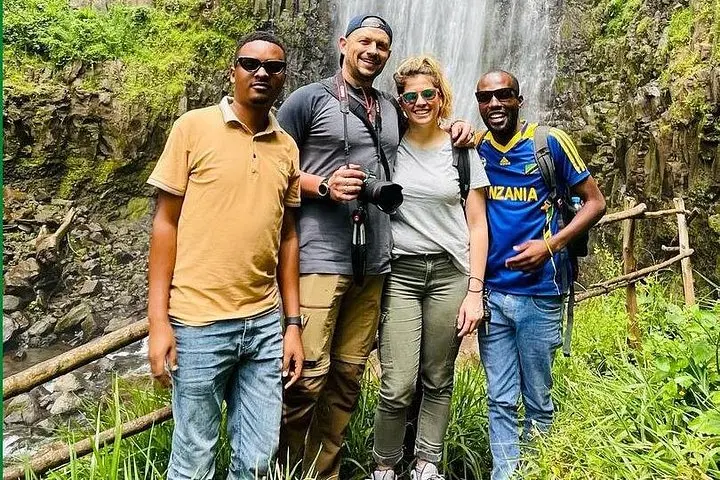
The Chagga people shaped this landscape with terraces and banana groves; a short walk from the village takes you through shaded forest, past small farms and coffee plots, into a gorge where the falls release a steady curtain of spray. Along the route, guides point out traditional practices — sun-drying coffee, honey collection and the role of water channels in irrigation.
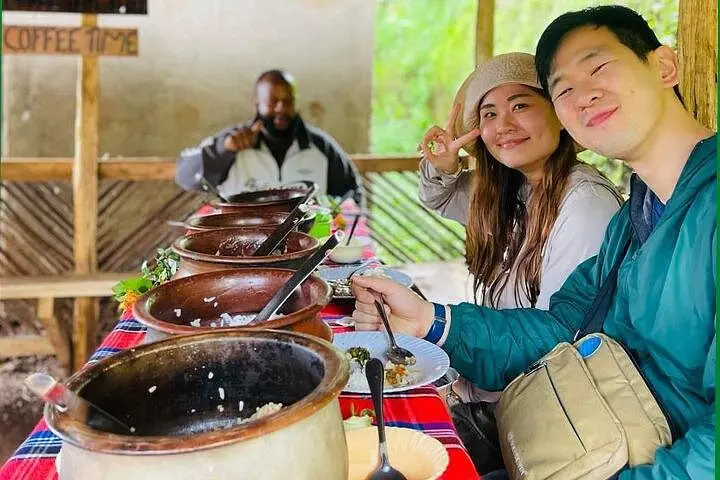
Expect a mostly uphill-and-downhike on narrow, sometimes slick trails with steps cut into the slope. The typical program combines a 45–90 minute walk (each way depending on pace), a coffee demonstration at a local mill, and a lunch of local dishes and beer — all components that turn a nature walk into a cultural half-day.
Plan for muddy shoes, layers for changing microclimates and a steady pace to enjoy viewpoints and village life. Respect private plots, tip local guides fairly, and bring cash for small purchases — a short visit here supports conservation and community livelihoods while delivering a vivid slice of Kilimanjaro’s living landscape.
The walking portion is typically 30–90 minutes each way depending on route and pace; total tour time with coffee and lunch runs 4–6 hours.
Many families complete the walk; however uneven steps and slippery stretches mean supervision for children and a steady pace for older guests is advised.
Most tours include a coffee demonstration and traditional lunch; bottled water is often provided but bringing your own reusable bottle is recommended.
Operators commonly offer transfers from Moshi or nearby towns—confirm pickup details when booking and provide your arrival information.
Aquila Venture Tours and Safaris operates guided outdoor trips and adventures with an emphasis on safety, stewardship, and memorable experiences.
You step off the jeep onto a red-clay path and the village exhales: steam from cooking fires, the distant hiss of water, and the scent of roasted coffee drifting down from a small dry mill.
You step off the jeep onto a red-clay path and the village exhales: steam from cooking fires, the distant hiss of water, and the scent of roasted coffee drifting down from a small dry mill.
Materuni sits on Kilimanjaro’s southern foothills at roughly 1,300 m elevation; the waterfall itself drops through volcanic rock carved by seasonal streams. The falls are fed by highland runoff and small springs that cut through lava flows and fertile soils, the same earth that made Chagga agriculture thrive for centuries.
The Chagga people shaped this landscape with terraces and banana groves; a short walk from the village takes you through shaded forest, past small farms and coffee plots, into a gorge where the falls release a steady curtain of spray. Along the route, guides point out traditional practices — sun-drying coffee, honey collection and the role of water channels in irrigation.
Expect a mostly uphill-and-downhike on narrow, sometimes slick trails with steps cut into the slope. The typical program combines a 45–90 minute walk (each way depending on pace), a coffee demonstration at a local mill, and a lunch of local dishes and beer — all components that turn a nature walk into a cultural half-day.
Plan for muddy shoes, layers for changing microclimates and a steady pace to enjoy viewpoints and village life. Respect private plots, tip local guides fairly, and bring cash for small purchases — a short visit here supports conservation and community livelihoods while delivering a vivid slice of Kilimanjaro’s living landscape.