THE ADVENTURE COLLECTIVE® · Independent discovery and booking for outdoor travel

A single-day mix of a short village hike to Materuni Waterfall and a relaxing swim in Kikuletwa (Chemka) Hot Springs — ideal after a safari. Expect cultural stops, coffee tastes, a 40‑minute walk to the falls and warm turquoise pools for soaking.
A single-day mix of a short village hike to Materuni Waterfall and a relaxing swim in Kikuletwa (Chemka) Hot Springs — ideal after a safari. Expect cultural stops, coffee tastes, a 40‑minute walk to the falls and warm turquoise pools for soaking.
You step off the shaded village track into cool spray: a narrow path winds beneath fig roots and banana palms toward an 80‑meter drop that mists the air. Materuni’s waterfall announces itself with a low roar, the pool at its base a clear, inviting bowl carved from volcanic flows on Kilimanjaro’s lower slopes. Later, the road opens to a different kind of water — Kikuletwa (Chemka) Hot Springs — where warm blue pools thread through palm trunks and limestone banks, steam curling into the tropical sun.
Verified experiences and guided adventures in the surrounding area.
Operated by Serengeti Wildlife Safaris · Moshi, Kilimanjaro
You step off the shaded village track into cool spray: a narrow path winds beneath fig roots and banana palms toward an 80‑meter drop that mists the air. Materuni’s waterfall announces itself with a low roar, the pool at its base a clear, inviting bowl carved from volcanic flows on Kilimanjaro’s lower slopes. Later, the road opens to a different kind of water — Kikuletwa (Chemka) Hot Springs — where warm blue pools thread through palm trunks and limestone banks, steam curling into the tropical sun.
The area sits on the eastern foothills of Mount Kilimanjaro, where ancient lava and seasonal rivers sculpt terraces and plunge pools. Materuni is Chagga country: coffee farming, terrace irrigation and village life shape the landscape and local culture. Kikuletwa’s geothermal upwellings are fed by groundwater warmed at depth and filtered through tufa deposits, producing stable warm pools ideal for a soak.
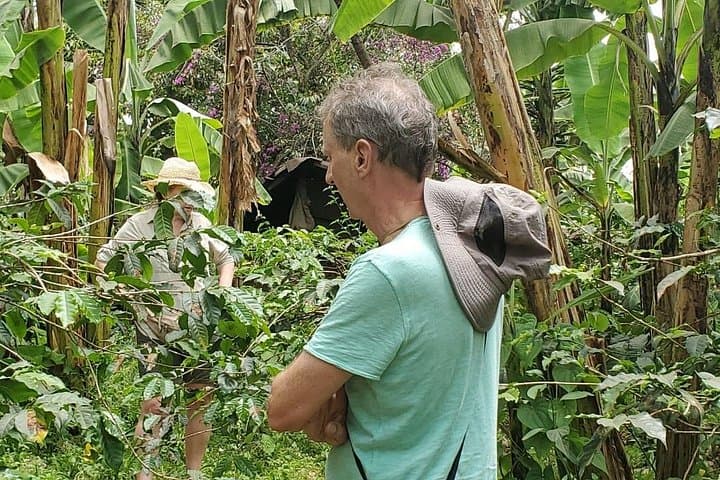
Expect a balanced day: a guided 30–50 minute walk to the waterfall with cultural stops, swimming time, a coffee tour option in Materuni, lunch and a transfer to the hot springs for more swimming and photos. Trails are uneven with roots and stone; waterproof footwear and a light pack make movement easy.
Practical tips: start early to beat heat and mid‑day crowds, carry at least 1–2 liters of water, and bring cash for village fees and souvenirs. Respect local customs — modest swimwear around villages — and avoid soaps in springs to protect aquatic life. The route is ideal after a safari for a low‑impact, restorative day of water, culture and mountain views.
The approach is typically 30–50 minutes each way over uneven village trails with some steps and roots; guides set a comfortable pace.
Yes — both are popular for swimming; exercise caution on slippery rocks and avoid deep areas if you are not a confident swimmer.
Most tours include village registration fees and lunch; confirm with your operator if drinks, coffee tastings or additional local activities are covered.
Day trips run from both Moshi and Arusha, though travel time differs — Moshi is closer and reduces drive time to Materuni and Kikuletwa.
Serengeti Wildlife Safaris operates guided outdoor trips and adventures with an emphasis on safety, stewardship, and memorable experiences.
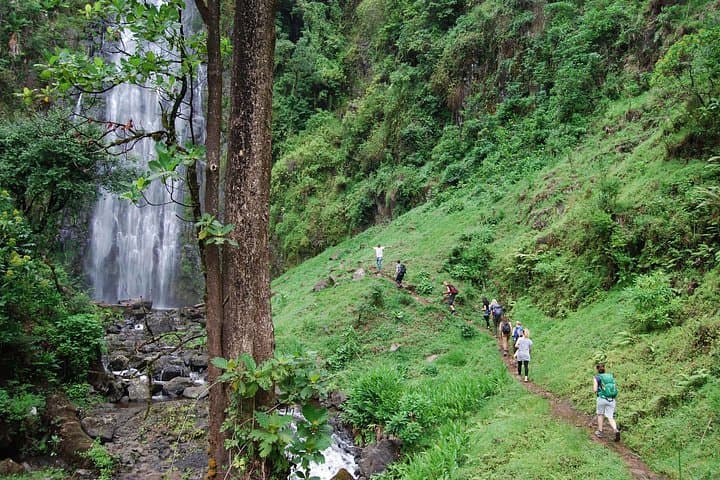
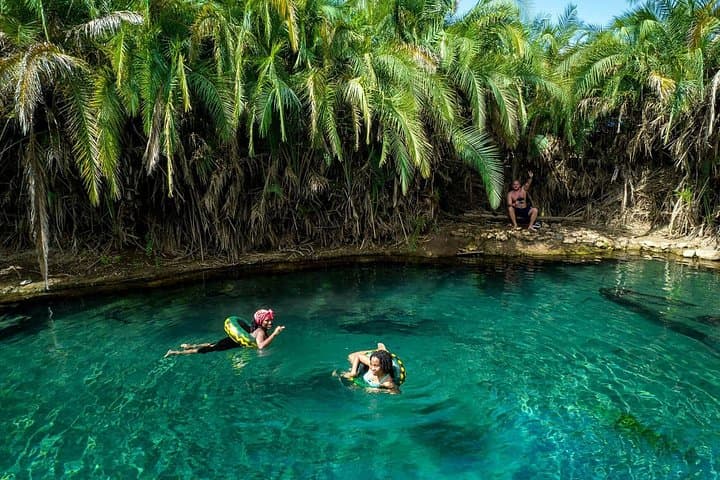
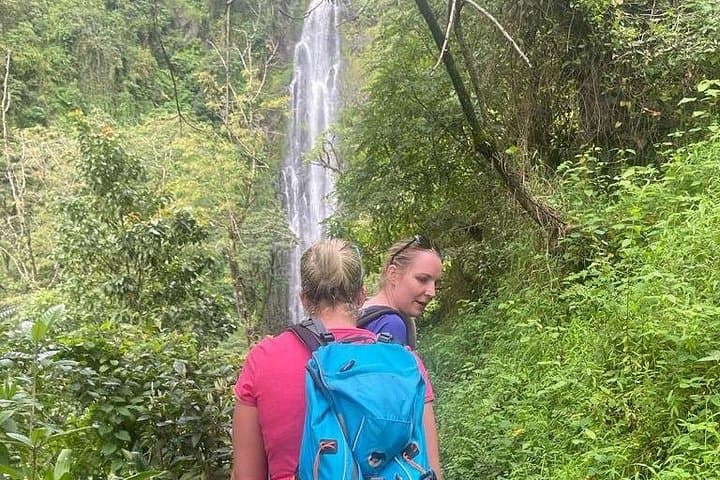
You step off the shaded village track into cool spray: a narrow path winds beneath fig roots and banana palms toward an 80‑meter drop that mists the air. Materuni’s waterfall announces itself with a low roar, the pool at its base a clear, inviting bowl carved from volcanic flows on Kilimanjaro’s lower slopes. Later, the road opens to a different kind of water — Kikuletwa (Chemka) Hot Springs — where warm blue pools thread through palm trunks and limestone banks, steam curling into the tropical sun.
You step off the shaded village track into cool spray: a narrow path winds beneath fig roots and banana palms toward an 80‑meter drop that mists the air. Materuni’s waterfall announces itself with a low roar, the pool at its base a clear, inviting bowl carved from volcanic flows on Kilimanjaro’s lower slopes. Later, the road opens to a different kind of water — Kikuletwa (Chemka) Hot Springs — where warm blue pools thread through palm trunks and limestone banks, steam curling into the tropical sun.
The area sits on the eastern foothills of Mount Kilimanjaro, where ancient lava and seasonal rivers sculpt terraces and plunge pools. Materuni is Chagga country: coffee farming, terrace irrigation and village life shape the landscape and local culture. Kikuletwa’s geothermal upwellings are fed by groundwater warmed at depth and filtered through tufa deposits, producing stable warm pools ideal for a soak.
Expect a balanced day: a guided 30–50 minute walk to the waterfall with cultural stops, swimming time, a coffee tour option in Materuni, lunch and a transfer to the hot springs for more swimming and photos. Trails are uneven with roots and stone; waterproof footwear and a light pack make movement easy.
Practical tips: start early to beat heat and mid‑day crowds, carry at least 1–2 liters of water, and bring cash for village fees and souvenirs. Respect local customs — modest swimwear around villages — and avoid soaps in springs to protect aquatic life. The route is ideal after a safari for a low‑impact, restorative day of water, culture and mountain views.