THE ADVENTURE COLLECTIVE® · Independent discovery and booking for outdoor travel

Walk through a Chagga village to reach Materuni Waterfall, then learn to make Kilimanjaro coffee by hand. This private day trip blends an easy rainforest hike with cultural immersion and a hands-on coffee experience.
Walk through a Chagga village to reach Materuni Waterfall, then learn to make Kilimanjaro coffee by hand. This private day trip blends an easy rainforest hike with cultural immersion and a hands-on coffee experience.
You step off the van into a cooler air that smells of wet earth and crushed green coffee leaves. A path threads through a small Chagga village, banana plantations rising like walls, and the hills of Kilimanjaro loom unseen behind clouds. The walk opens into a clearing where the waterfall announces itself—water peeling down volcanic rock, daring you to step closer and feel the surge.
Verified experiences and guided adventures in the surrounding area.
Operated by Msafiri Tanzania · Materuni, Kilimanjaro Region
You step off the van into a cooler air that smells of wet earth and crushed green coffee leaves. A path threads through a small Chagga village, banana plantations rising like walls, and the hills of Kilimanjaro loom unseen behind clouds. The walk opens into a clearing where the waterfall announces itself—water peeling down volcanic rock, daring you to step closer and feel the surge.
Materuni’s falls sit on the lower slopes of Kilimanjaro, carved from basalt and andesitic flows left by ancient eruptions. The Chagga people have farmed these terraces for centuries; coffee here is both crop and culture, tended under shade trees and processed by hand. Expect to hear stories of local life as much as geology: community-run trails, home-roasted beans, and a working village that welcomes visitors.
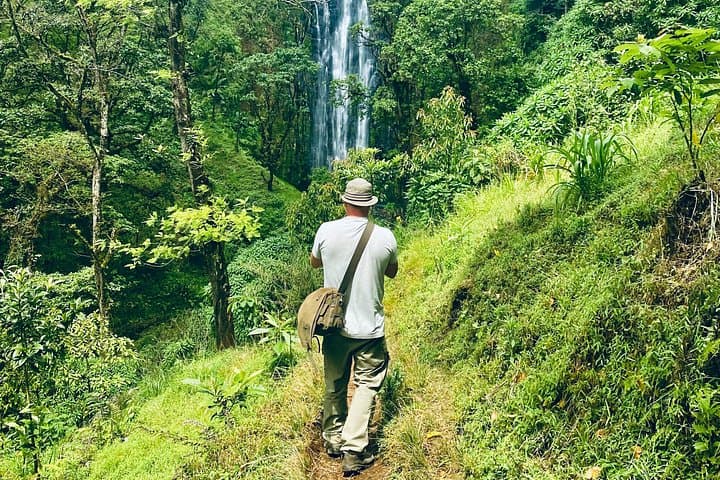
The experience pairs a short forested hike with cultural exchange. The route is mostly well-graded dirt and stone steps with a few slick sections after rain; elevation change is modest but the round-trip can last a half day once you include the coffee demonstration. After the waterfall you’ll tour a small plantation, learn to roast and mill, and make a cup from bean to brew—an earthy, immediate lesson in Tanzania’s most famous export.
Practical guidance: wear sturdy trail shoes with good grip, bring a light rain layer and quick-dry clothes, and carry cash for small purchases. Start early to avoid mid-day heat and to catch clearer views of Kilimanjaro when clouds break. Respect private yards, ask before photographing people, and bring a refillable bottle—the local guides work to keep the trail clean and sustainable.
The walking portion varies by starting point but typically takes 45–90 minutes each way over a mix of village trails and stone steps.
Yes—many visitors take a brief dip if they’re comfortable with cool water; the pool can be chilly and currents can be stronger after rain.
Yes—operators describe it as suitable for all fitness levels, but expect uneven ground and steps; take your time and notify the operator of mobility concerns.
The coffee segment usually covers picking, drying, roasting, milling, and brewing a cup, with hands-on participation and tastings included.
Msafiri Tanzania operates guided outdoor trips and adventures with an emphasis on safety, stewardship, and memorable experiences.
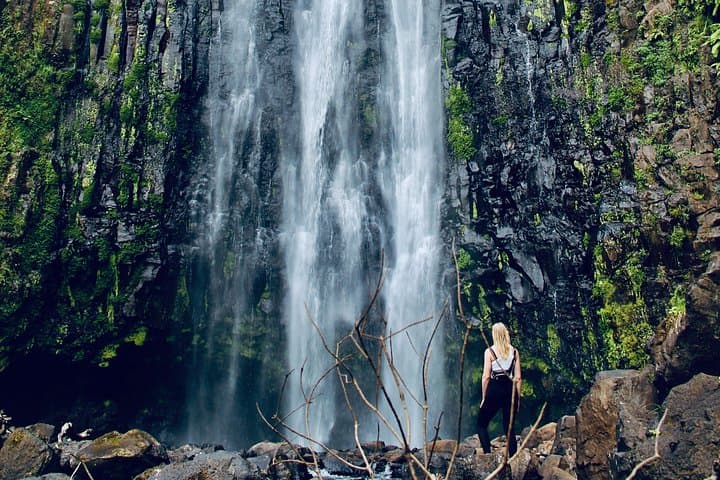
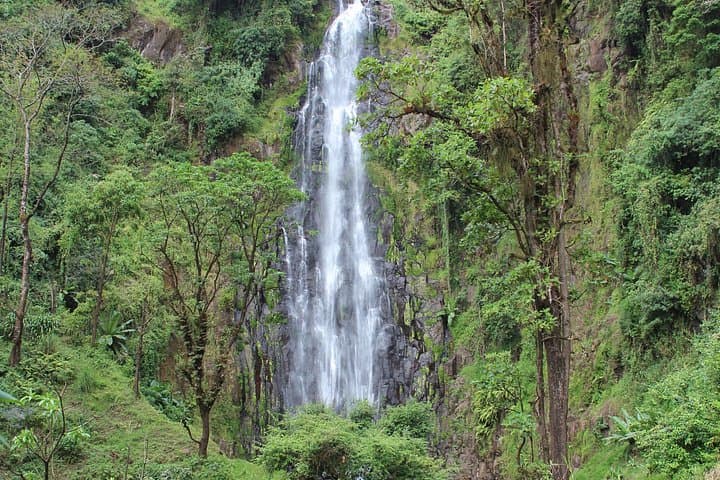
You step off the van into a cooler air that smells of wet earth and crushed green coffee leaves. A path threads through a small Chagga village, banana plantations rising like walls, and the hills of Kilimanjaro loom unseen behind clouds. The walk opens into a clearing where the waterfall announces itself—water peeling down volcanic rock, daring you to step closer and feel the surge.
You step off the van into a cooler air that smells of wet earth and crushed green coffee leaves. A path threads through a small Chagga village, banana plantations rising like walls, and the hills of Kilimanjaro loom unseen behind clouds. The walk opens into a clearing where the waterfall announces itself—water peeling down volcanic rock, daring you to step closer and feel the surge.
Materuni’s falls sit on the lower slopes of Kilimanjaro, carved from basalt and andesitic flows left by ancient eruptions. The Chagga people have farmed these terraces for centuries; coffee here is both crop and culture, tended under shade trees and processed by hand. Expect to hear stories of local life as much as geology: community-run trails, home-roasted beans, and a working village that welcomes visitors.
The experience pairs a short forested hike with cultural exchange. The route is mostly well-graded dirt and stone steps with a few slick sections after rain; elevation change is modest but the round-trip can last a half day once you include the coffee demonstration. After the waterfall you’ll tour a small plantation, learn to roast and mill, and make a cup from bean to brew—an earthy, immediate lesson in Tanzania’s most famous export.
Practical guidance: wear sturdy trail shoes with good grip, bring a light rain layer and quick-dry clothes, and carry cash for small purchases. Start early to avoid mid-day heat and to catch clearer views of Kilimanjaro when clouds break. Respect private yards, ask before photographing people, and bring a refillable bottle—the local guides work to keep the trail clean and sustainable.