THE ADVENTURE COLLECTIVE® · Independent discovery and booking for outdoor travel

Short, steep trails, a cold plunge pool and a hands-on Chagga coffee lesson make Materuni a compact day adventure from Moshi. Hike to the falls, sample banana wine and learn traditional coffee processing on a 4–6 hour cultural-nature loop.
Short, steep trails, a cold plunge pool and a hands-on Chagga coffee lesson make Materuni a compact day adventure from Moshi. Hike to the falls, sample banana wine and learn traditional coffee processing on a 4–6 hour cultural-nature loop.
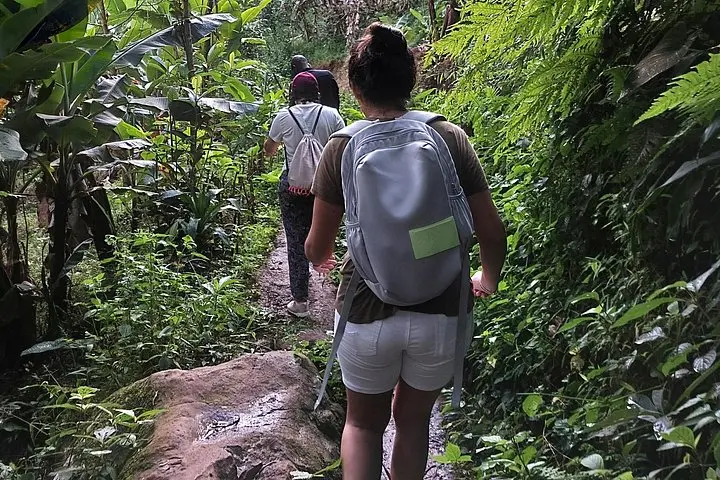
The morning drive from Moshi slips into green foothills, terraces and banana groves rising toward Kilimanjaro’s lower slopes. You step out in Materuni village where steam from cooking fires meets the mountain air; the guide points the way and the trail pulls you through coffee blocks, ferns and along water channels carved by centuries of local farming.
Verified experiences and guided adventures in the surrounding area.
Operated by Moshi Tours and Transfer · Materuni, Kilimanjaro Region
The morning drive from Moshi slips into green foothills, terraces and banana groves rising toward Kilimanjaro’s lower slopes. You step out in Materuni village where steam from cooking fires meets the mountain air; the guide points the way and the trail pulls you through coffee blocks, ferns and along water channels carved by centuries of local farming.
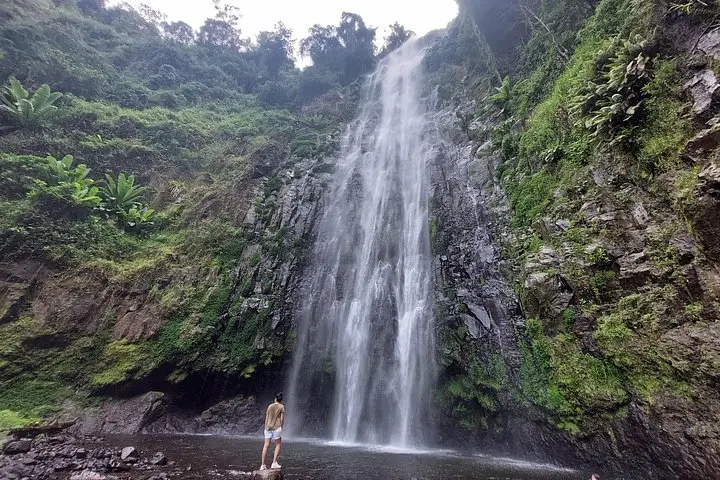
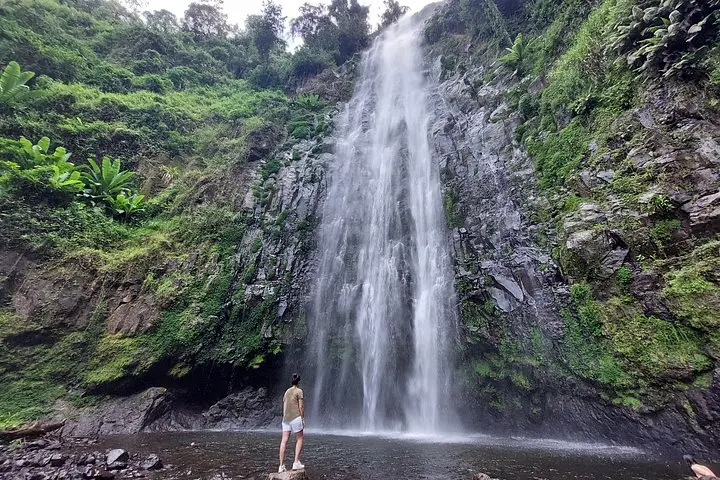
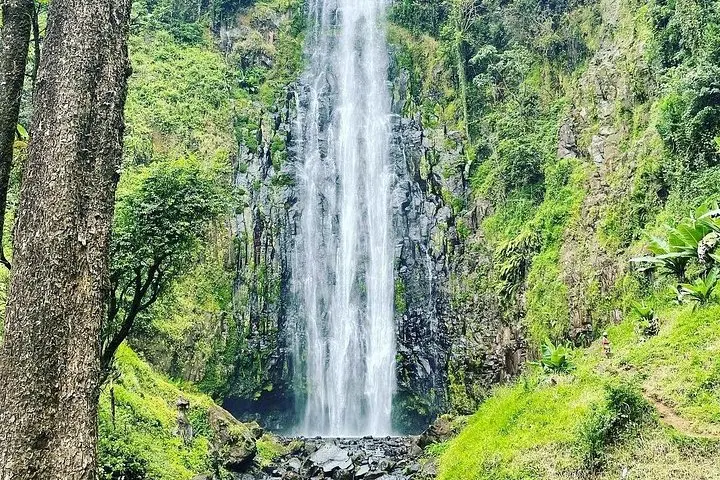
The walk to Materuni Falls is short but honest — about a 30–40 minute descent on uneven earth and stone steps — and the waterfall itself drops into a broad plunge pool cold with meltwater from Kilimanjaro. The Chagga people have farmed these slopes for generations; their knowledge of coffee cultivation shaped Tanzania’s smallholder coffee economy and is evident in the coffee terraces you pass. Geologically, the area is volcanic soil laid down by Kibo’s ancient eruptions, feeding lush, fast-draining ground ideal for Arabica coffee.
Cultural ingredients are part of the trip: a tasting of banana wine, a traditional lunch at a family home and a hands-on coffee-roast where beans move from cherry to cup before your eyes. Expect clear mountain views when clouds lift, and the occasional troop of monkeys answering the forest’s calls.
Practical guidance: allow 4–6 hours total; bring sturdy shoes, swimwear, and insect repellent. Trails are steep in spots and slippery after rain, so travel light and plan for changing weather—sun can be fierce at midday and showers arrive fast. Respect local customs by asking before photographing people, support the village economy by buying coffee from producers, and keep plastic out of streams. This is a compact, sensory day: hike, swim, learn and leave with coffee in your hands and a clearer picture of life on Kilimanjaro’s slopes.
The walk from the village office to the waterfall is typically about 30–40 minutes each way on a short but sometimes steep trail.
Yes — the plunge pool is commonly used for swimming; water is cold and fresh, so proceed with care and avoid deep sections if unsure.
Yes — the tour includes a hands-on coffee-roasting and brewing demonstration and offers locally produced beans for purchase.
Most operators include private pickup from Moshi; confirm your pickup point at booking and expect a short drive to Materuni village.
Moshi Tours and Transfer operates guided outdoor trips and adventures with an emphasis on safety, stewardship, and memorable experiences.
The morning drive from Moshi slips into green foothills, terraces and banana groves rising toward Kilimanjaro’s lower slopes. You step out in Materuni village where steam from cooking fires meets the mountain air; the guide points the way and the trail pulls you through coffee blocks, ferns and along water channels carved by centuries of local farming.
The morning drive from Moshi slips into green foothills, terraces and banana groves rising toward Kilimanjaro’s lower slopes. You step out in Materuni village where steam from cooking fires meets the mountain air; the guide points the way and the trail pulls you through coffee blocks, ferns and along water channels carved by centuries of local farming.
The walk to Materuni Falls is short but honest — about a 30–40 minute descent on uneven earth and stone steps — and the waterfall itself drops into a broad plunge pool cold with meltwater from Kilimanjaro. The Chagga people have farmed these slopes for generations; their knowledge of coffee cultivation shaped Tanzania’s smallholder coffee economy and is evident in the coffee terraces you pass. Geologically, the area is volcanic soil laid down by Kibo’s ancient eruptions, feeding lush, fast-draining ground ideal for Arabica coffee.
Cultural ingredients are part of the trip: a tasting of banana wine, a traditional lunch at a family home and a hands-on coffee-roast where beans move from cherry to cup before your eyes. Expect clear mountain views when clouds lift, and the occasional troop of monkeys answering the forest’s calls.
Practical guidance: allow 4–6 hours total; bring sturdy shoes, swimwear, and insect repellent. Trails are steep in spots and slippery after rain, so travel light and plan for changing weather—sun can be fierce at midday and showers arrive fast. Respect local customs by asking before photographing people, support the village economy by buying coffee from producers, and keep plastic out of streams. This is a compact, sensory day: hike, swim, learn and leave with coffee in your hands and a clearer picture of life on Kilimanjaro’s slopes.