THE ADVENTURE COLLECTIVE® · Independent discovery and booking for outdoor travel

A single day around Moshi delivers a classic Kilimanjaro-foothills trifecta: a sweaty hike to Materuni Waterfalls, a hands-on Chagga coffee ritual, and a soothing dip in Chemka (Kikuletwa) Hot Springs. This guided, private day trip balances nature, culture and time to relax.
A single day around Moshi delivers a classic Kilimanjaro-foothills trifecta: a sweaty hike to Materuni Waterfalls, a hands-on Chagga coffee ritual, and a soothing dip in Chemka (Kikuletwa) Hot Springs. This guided, private day trip balances nature, culture and time to relax.
You leave Moshi before dawn and the road unspools into green: banana stands, terraced fields, and the odd cow tied under a jacaranda. The guide points into a shelf of forest where a narrow footpath drops away—this is the walk to Materuni Waterfalls. Within minutes the village hum dissolves into the layered noise of the mountain: insect chatter, the rush of water, and the distant silhouette of Kilimanjaro when the sky is clear.
Verified experiences and guided adventures in the surrounding area.
Operated by Safarivista Adventures · Moshi, Kilimanjaro Region
You leave Moshi before dawn and the road unspools into green: banana stands, terraced fields, and the odd cow tied under a jacaranda. The guide points into a shelf of forest where a narrow footpath drops away—this is the walk to Materuni Waterfalls. Within minutes the village hum dissolves into the layered noise of the mountain: insect chatter, the rush of water, and the distant silhouette of Kilimanjaro when the sky is clear.
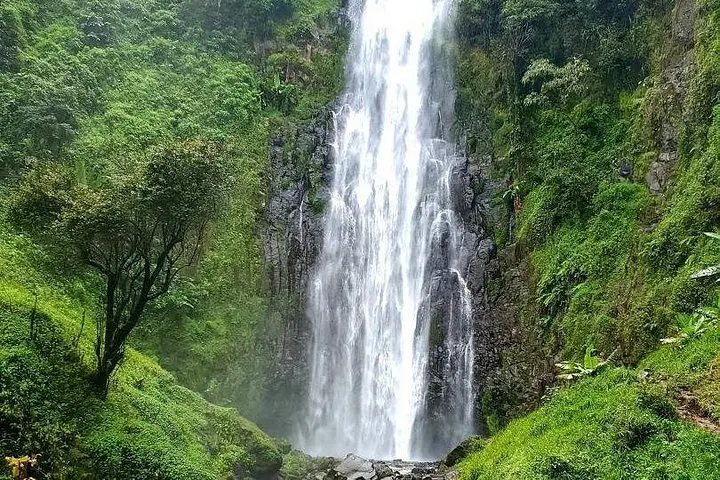
The hike to Materuni is straightforward but honest: roughly 2–3 km round-trip with 150–250 m of elevation change depending on your route, much of it on packed dirt and rocky steps that can be slick after rain. The trail threads coffee gardens and Chagga homesteads, putting you close to daily life as women sort beans on low tables and children run errands. At the fall’s lip the water drops 70–80 meters into a cool pool. Many visitors swim; others stand under the plunge, letting the current push the day’s stiffness out of their limbs.
The coffee component is not a staged demo but a hands-on cultural exchange. The Chagga have farmed the slopes of Kilimanjaro for centuries; here you’ll see shade-grown arabica, roast beans over firewood, grind with a mortar, and taste a cup that’s still warm with smoke. Guides often accompany the ritual with local songs and explanations of traditional land-use practices—how terraces conserve soil and map the rhythms of planting and harvest.
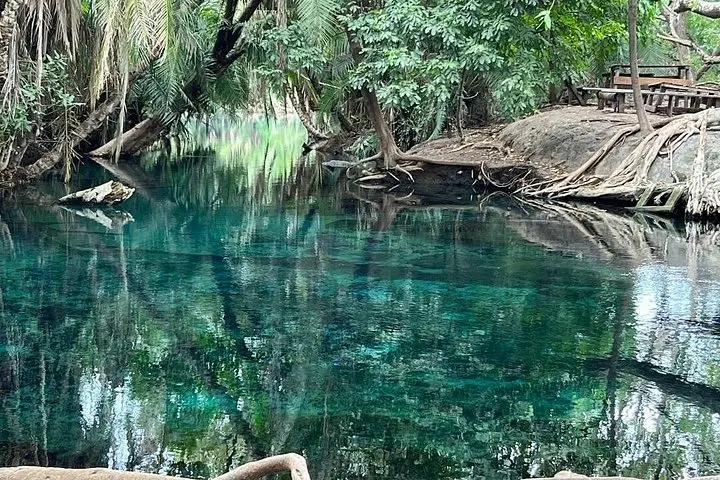
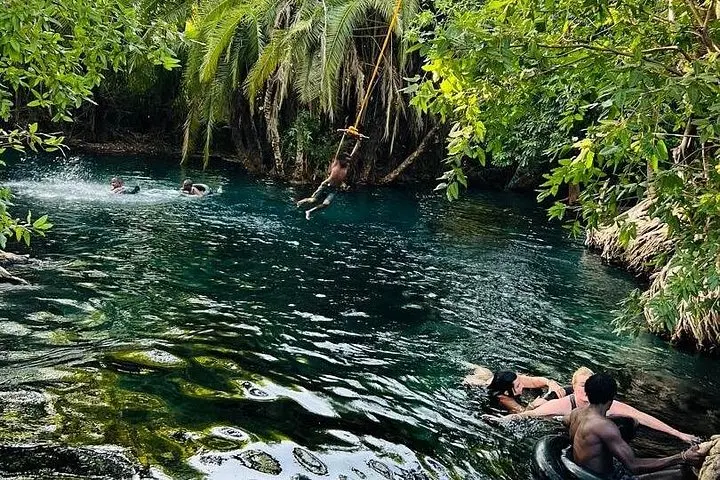
After lunch you drive to Kikuletwa (Chemka) Hot Springs where the action slows. The springs are fed by an underground aquifer, creating warm, clear lagoons edged with papyrus and towering fig trees. It’s a gentle swim; the water is buoyant and almost tropical in temperature—perfect after a steep walk.
Practical edge: expect a full day—most operators run 10–12 hours including hotel transfers. Wear grippy shoes for the trail, bring a dry bag for electronics, and carry local cash for small purchases and tips. If it’s rainy season the trail can be muddy; a lightweight rain jacket and gaiters are wise. Respect private farmland—stick to the guide’s path and avoid washing in the springs. The reward is simple: a sequence of landscape and culture—waterfall, coffee, and warm water—that captures the Kilimanjaro foothills in one day.
The walk is roughly 2–3 km round-trip with about 150–250 m of elevation change; expect 45–90 minutes on the trail depending on pace and stops.
Yes—most visitors swim at both sites; bring swimwear and a towel but avoid using soap in the springs to protect the aquifer.
From Moshi it’s typically 30–60 minutes to Materuni and another 30–45 minutes to Chemka, depending on traffic and weather; pickup is usually included.
Most day tours include lunch, bottled water and entrance fees for both Materuni and Kikuletwa (Chemka) Hot Springs—confirm on booking.
On clear days the route provides viewpoints where Kilimanjaro is visible in the distance; visibility depends on weather.
Families with children often join, but the trail has steep sections—people with serious mobility issues may find parts challenging; consult the operator for accommodations.
Safarivista Adventures operates guided outdoor trips and adventures with an emphasis on safety, stewardship, and memorable experiences.

You leave Moshi before dawn and the road unspools into green: banana stands, terraced fields, and the odd cow tied under a jacaranda. The guide points into a shelf of forest where a narrow footpath drops away—this is the walk to Materuni Waterfalls. Within minutes the village hum dissolves into the layered noise of the mountain: insect chatter, the rush of water, and the distant silhouette of Kilimanjaro when the sky is clear.
You leave Moshi before dawn and the road unspools into green: banana stands, terraced fields, and the odd cow tied under a jacaranda. The guide points into a shelf of forest where a narrow footpath drops away—this is the walk to Materuni Waterfalls. Within minutes the village hum dissolves into the layered noise of the mountain: insect chatter, the rush of water, and the distant silhouette of Kilimanjaro when the sky is clear.
The hike to Materuni is straightforward but honest: roughly 2–3 km round-trip with 150–250 m of elevation change depending on your route, much of it on packed dirt and rocky steps that can be slick after rain. The trail threads coffee gardens and Chagga homesteads, putting you close to daily life as women sort beans on low tables and children run errands. At the fall’s lip the water drops 70–80 meters into a cool pool. Many visitors swim; others stand under the plunge, letting the current push the day’s stiffness out of their limbs.
The coffee component is not a staged demo but a hands-on cultural exchange. The Chagga have farmed the slopes of Kilimanjaro for centuries; here you’ll see shade-grown arabica, roast beans over firewood, grind with a mortar, and taste a cup that’s still warm with smoke. Guides often accompany the ritual with local songs and explanations of traditional land-use practices—how terraces conserve soil and map the rhythms of planting and harvest.
After lunch you drive to Kikuletwa (Chemka) Hot Springs where the action slows. The springs are fed by an underground aquifer, creating warm, clear lagoons edged with papyrus and towering fig trees. It’s a gentle swim; the water is buoyant and almost tropical in temperature—perfect after a steep walk.
Practical edge: expect a full day—most operators run 10–12 hours including hotel transfers. Wear grippy shoes for the trail, bring a dry bag for electronics, and carry local cash for small purchases and tips. If it’s rainy season the trail can be muddy; a lightweight rain jacket and gaiters are wise. Respect private farmland—stick to the guide’s path and avoid washing in the springs. The reward is simple: a sequence of landscape and culture—waterfall, coffee, and warm water—that captures the Kilimanjaro foothills in one day.