THE ADVENTURE COLLECTIVE® · Independent discovery and booking for outdoor travel

This full-day trip combines up-close Maasai cultural visits with a hands-on Chagga coffee tour and a shaded hike to Materuni Waterfalls on Kilimanjaro’s slopes. Expect village trails, steep steps, and a fresh cup brewed where the beans were grown.
This full-day trip combines up-close Maasai cultural visits with a hands-on Chagga coffee tour and a shaded hike to Materuni Waterfalls on Kilimanjaro’s slopes. Expect village trails, steep steps, and a fresh cup brewed where the beans were grown.
A low-slung minibus leaves Arusha at dawn and the road climbs toward Kilimanjaro’s lower slopes; mist lifts off banana leaves and the air smells of fresh ground coffee. By mid-morning you’re at a Maasai homestead where red-cloth shawls and steady voices introduce cattle-centric life, then the group slips into the green terraces of Materuni village where Chagga farming patterns shape the hills.
Verified experiences and guided adventures in the surrounding area.
Operated by PALE TOURS AND ADVENTURE · Moshi, Kilimanjaro Region
A low-slung minibus leaves Arusha at dawn and the road climbs toward Kilimanjaro’s lower slopes; mist lifts off banana leaves and the air smells of fresh ground coffee. By mid-morning you’re at a Maasai homestead where red-cloth shawls and steady voices introduce cattle-centric life, then the group slips into the green terraces of Materuni village where Chagga farming patterns shape the hills.
Geology here is honest: volcanic soils from ancient Kilimanjaro feeds lush coffee terraces and banana plots. The Chagga people have farmed these slopes for generations; their coffee traditions survive alongside Maasai pastoral culture, offering a rare juxtaposition of highland agriculture and savanna identity in one day.
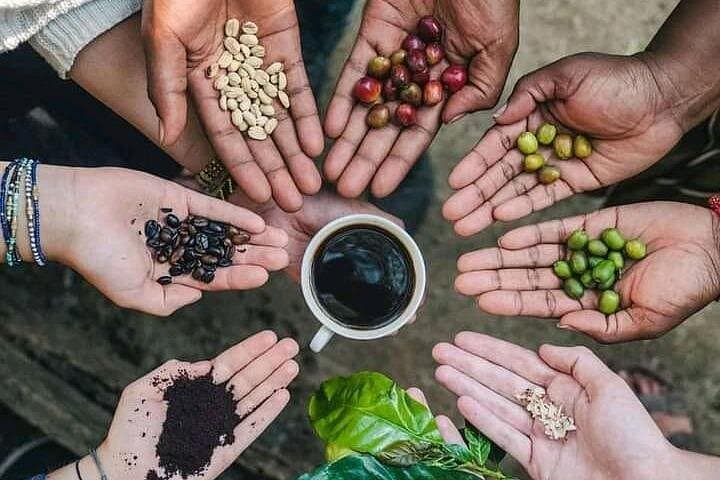
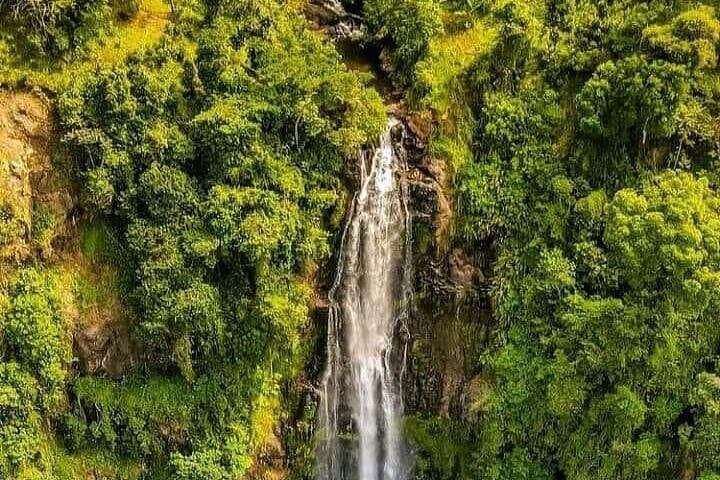
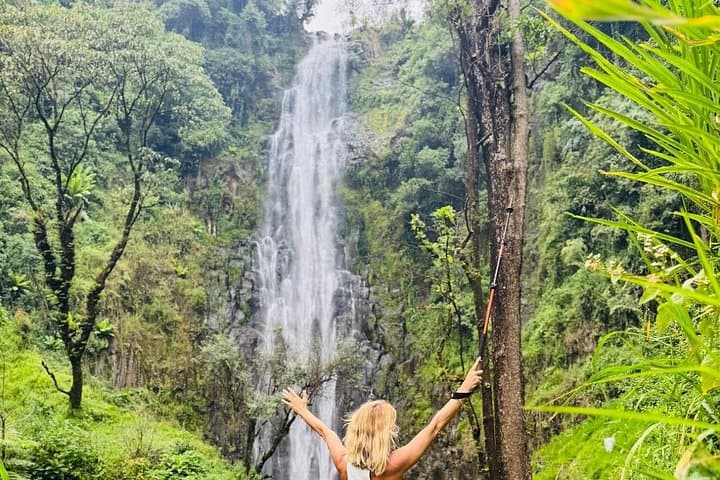
The coffee tour is hands-on—picking, pulping, sun-drying and roasting—so you leave with a clear sense of the work behind a cup. The hike to Materuni Waterfalls follows farm tracks and shaded paths through forest fragments, banana stands and coffee bushes; expect uneven stone and muddy sections. The falls themselves drop in a cool curtain, the pool daring you to cool off after the climb.
Practical: wear sturdy shoes with good grip, carry 1–2 liters of water, and bring small bills for local purchases and tips. The itinerary is long but not technical: moderate fitness and steady legs make the most of the cultural stops and the waterfall hike. Aim for a weekday start to avoid crowds, and remember that the route gets slippery after rains—fast-moving seasons change footing and light, so plan accordingly.
The waterfall hike is roughly 30–60 minutes each way depending on pace, with uneven steps and farm tracks—plan for moderate footing.
Children and older travelers can participate, but the hike and steps may be challenging; inform the operator about mobility needs for alternate arrangements.
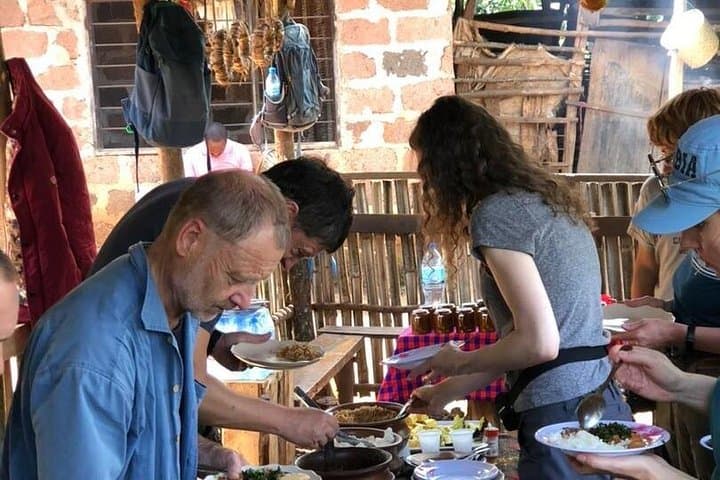
A traditional Chagga lunch is included, and you’ll taste freshly roasted coffee during the tour; bring snacks if you have specific dietary needs.
Always ask permission before photographing villagers; your guide can introduce you and suggest appropriate moments to take pictures.
PALE TOURS AND ADVENTURE operates guided outdoor trips and adventures with an emphasis on safety, stewardship, and memorable experiences.
A low-slung minibus leaves Arusha at dawn and the road climbs toward Kilimanjaro’s lower slopes; mist lifts off banana leaves and the air smells of fresh ground coffee. By mid-morning you’re at a Maasai homestead where red-cloth shawls and steady voices introduce cattle-centric life, then the group slips into the green terraces of Materuni village where Chagga farming patterns shape the hills.
A low-slung minibus leaves Arusha at dawn and the road climbs toward Kilimanjaro’s lower slopes; mist lifts off banana leaves and the air smells of fresh ground coffee. By mid-morning you’re at a Maasai homestead where red-cloth shawls and steady voices introduce cattle-centric life, then the group slips into the green terraces of Materuni village where Chagga farming patterns shape the hills.
Geology here is honest: volcanic soils from ancient Kilimanjaro feeds lush coffee terraces and banana plots. The Chagga people have farmed these slopes for generations; their coffee traditions survive alongside Maasai pastoral culture, offering a rare juxtaposition of highland agriculture and savanna identity in one day.
The coffee tour is hands-on—picking, pulping, sun-drying and roasting—so you leave with a clear sense of the work behind a cup. The hike to Materuni Waterfalls follows farm tracks and shaded paths through forest fragments, banana stands and coffee bushes; expect uneven stone and muddy sections. The falls themselves drop in a cool curtain, the pool daring you to cool off after the climb.
Practical: wear sturdy shoes with good grip, carry 1–2 liters of water, and bring small bills for local purchases and tips. The itinerary is long but not technical: moderate fitness and steady legs make the most of the cultural stops and the waterfall hike. Aim for a weekday start to avoid crowds, and remember that the route gets slippery after rains—fast-moving seasons change footing and light, so plan accordingly.