THE ADVENTURE COLLECTIVE® · Independent discovery and booking for outdoor travel

Walk through hillside coffee shambas, taste roast-to-cup coffee with Chagga hosts, then hike to the plunging pools of Materuni and Uru waterfalls. This half‑day private tour pairs easy trail sections with cultural immersion on Kilimanjaro’s lower slopes.
Walk through hillside coffee shambas, taste roast-to-cup coffee with Chagga hosts, then hike to the plunging pools of Materuni and Uru waterfalls. This half‑day private tour pairs easy trail sections with cultural immersion on Kilimanjaro’s lower slopes.
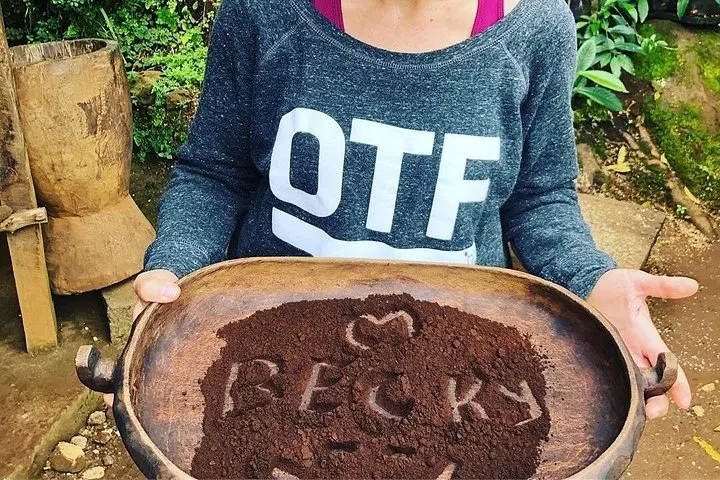
Fog thins off the lower slopes of Kilimanjaro as you step from the van into a green patchwork of coffee bushes and banana terraces. The trail from Materuni village drops through shaded footpaths, the air rich with damp earth and the sharp citrus of fresh coffee being pulped nearby. After a short guided walk through a family-run coffee shamba you’ll learn how the Chagga people process beans by hand, roast over coals and brew a cup that tastes of altitude and limestone-fed water.
Verified experiences and guided adventures in the surrounding area.
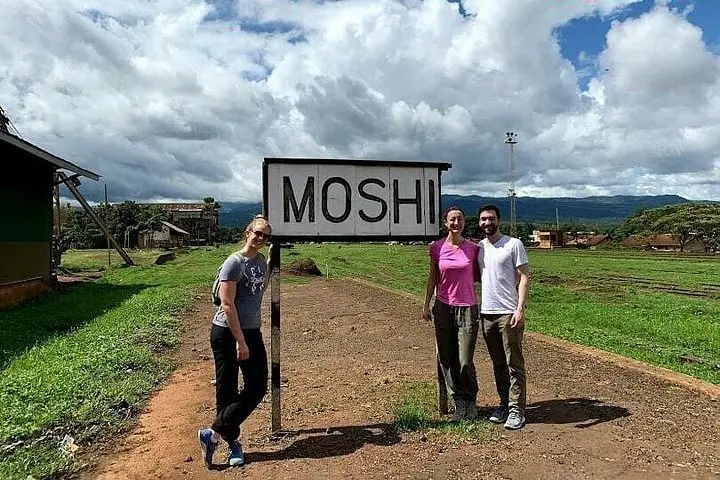
Operated by Kili Footprints · Moshi, Kilimanjaro Region
Fog thins off the lower slopes of Kilimanjaro as you step from the van into a green patchwork of coffee bushes and banana terraces. The trail from Materuni village drops through shaded footpaths, the air rich with damp earth and the sharp citrus of fresh coffee being pulped nearby. After a short guided walk through a family-run coffee shamba you’ll learn how the Chagga people process beans by hand, roast over coals and brew a cup that tastes of altitude and limestone-fed water.
This part of northeastern Tanzania sits on volcanic soils built by the same forces that raised Kilimanjaro. The Chagga have farmed these slopes for centuries, carving irrigation channels and terrace gardens that sustain villages and stabilize the steep terrain. Cultural notes come alive—stories of local livelihoods, the role of coffee in regional trade, and a chance to try traditional banana-based snacks.
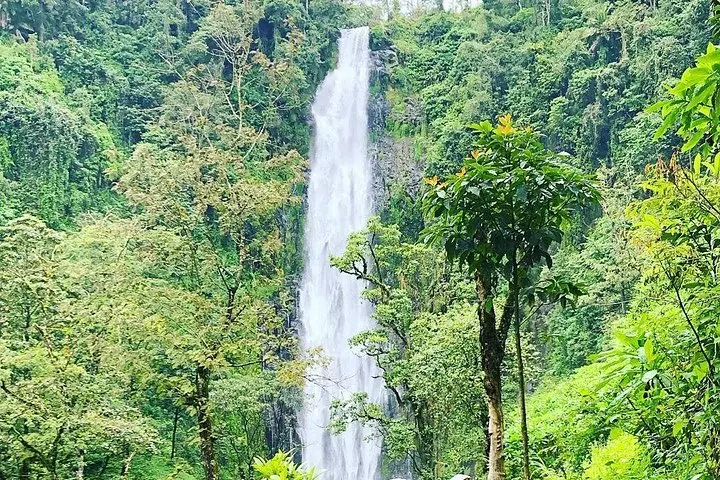
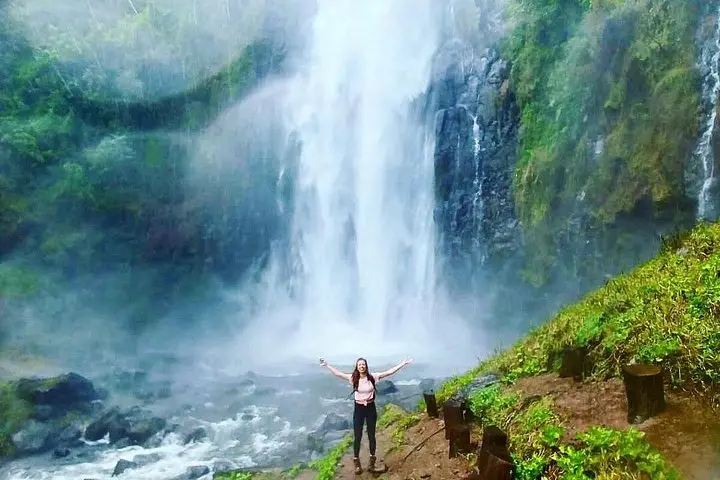
Post-lunch the path steepens toward Materuni and Uru waterfall pools: a short hike (rocky, sometimes slippery) ends with a clear cascade where a cool dip is possible. Expect dense montane forest, bird calls, and occasional monkey sightings. Guides handle logistics and explain safe swimming spots.
Practical notes: it’s a half-day private tour—about 5 hours—so wear grippy shoes, bring swimwear, water and insect repellent. Morning departures give the best light and cooler hiking temperatures. Respect private farms, pack out trash, and tip your local guide to support village incomes. The experience pairs low-effort hiking with high cultural return—ideal for travelers who want tangible contact with Kilimanjaro’s human and natural landscapes.
The walking portion is short—about 30–60 minutes each way depending on pace and how many stops you make; the full tour lasts roughly 5 hours including coffee demonstration and lunch.
Yes for many families—paths include uneven sections and some steps; private transport reduces walking distance and guides can adapt the route if needed.
Yes—bring small Tanzanian shillings for tips, souvenirs, or additional refreshments; major cards are not usually accepted in village shops.
You often get clear views of Kilimanjaro from the coffee farms on a good-weather day, but visibility depends on clouds and time of day.
Kili Footprints operates guided outdoor trips and adventures with an emphasis on safety, stewardship, and memorable experiences.
Fog thins off the lower slopes of Kilimanjaro as you step from the van into a green patchwork of coffee bushes and banana terraces. The trail from Materuni village drops through shaded footpaths, the air rich with damp earth and the sharp citrus of fresh coffee being pulped nearby. After a short guided walk through a family-run coffee shamba you’ll learn how the Chagga people process beans by hand, roast over coals and brew a cup that tastes of altitude and limestone-fed water.
Fog thins off the lower slopes of Kilimanjaro as you step from the van into a green patchwork of coffee bushes and banana terraces. The trail from Materuni village drops through shaded footpaths, the air rich with damp earth and the sharp citrus of fresh coffee being pulped nearby. After a short guided walk through a family-run coffee shamba you’ll learn how the Chagga people process beans by hand, roast over coals and brew a cup that tastes of altitude and limestone-fed water.
This part of northeastern Tanzania sits on volcanic soils built by the same forces that raised Kilimanjaro. The Chagga have farmed these slopes for centuries, carving irrigation channels and terrace gardens that sustain villages and stabilize the steep terrain. Cultural notes come alive—stories of local livelihoods, the role of coffee in regional trade, and a chance to try traditional banana-based snacks.
Post-lunch the path steepens toward Materuni and Uru waterfall pools: a short hike (rocky, sometimes slippery) ends with a clear cascade where a cool dip is possible. Expect dense montane forest, bird calls, and occasional monkey sightings. Guides handle logistics and explain safe swimming spots.
Practical notes: it’s a half-day private tour—about 5 hours—so wear grippy shoes, bring swimwear, water and insect repellent. Morning departures give the best light and cooler hiking temperatures. Respect private farms, pack out trash, and tip your local guide to support village incomes. The experience pairs low-effort hiking with high cultural return—ideal for travelers who want tangible contact with Kilimanjaro’s human and natural landscapes.