
Mather Point Stargazing Tour — Dark Skies at Grand Canyon South Rim
Spend an hour under some of the darkest skies in the continental U.S. at Mather Point on the Grand Canyon South Rim. A guided, laser-led constellation tour plus telescope viewing makes this a perfect short evening for families and curious travelers.
An Adventure In Grand Canyon Village.
Spend an hour under some of the darkest skies in the continental U.S. at Mather Point on the Grand Canyon South Rim. A guided, laser-led constellation tour plus telescope viewing makes this a perfect short evening for families and curious travelers.
Book with Grand Canyon Stargazing
Choose a date and book.
Read the full experience
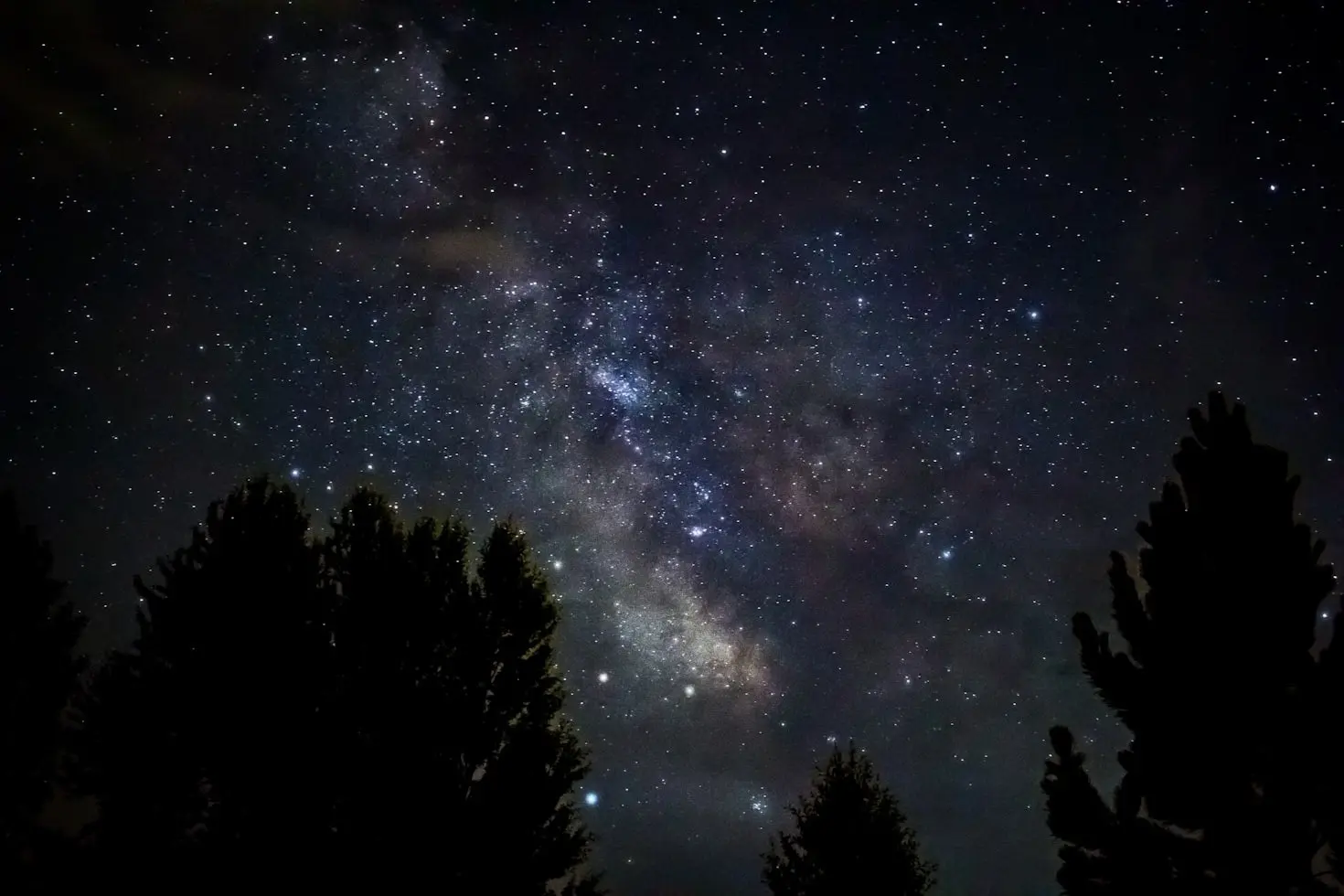
Under the South Rim's open night, Mather Point Stargazing Tour offers an hour-long introduction to the cosmic clock above the Grand Canyon. Located at Mather Point on the South Rim in Grand Canyon Village, Arizona, this guided experience combines laser-led constellation orientation with telescope viewing and cultural navigation stories. Gather at Mather Point, Parking Lot 1 for a 7:00 PM check-in; the host asks visitors to text 928-853-4019 on arrival and will walk the group to an ADA-accessible viewing spot. As darkness deepens over the canyon’s rim, guides trace familiar patterns—Polaris, seasonal constellations, and the Milky Way—with a high-powered laser that cuts clear lines across the sky. The canyon itself, a deep incision through layered sedimentary rock and sheer cliffs carved by the Colorado River, becomes a quiet foreground to pinprick stars. Telescope turns reveal planets, star clusters, and distant galaxies, turning casual stargazers into temporary astronomers. What distinguishes this tour is scale and setting: some of the darkest skies in the continental United States meet one of the world’s most dramatic geological panoramas. Guides teach the “Cosmic Clock,” a practical method to use the sky as compass, calendar, and clock—skills useful for backcountry navigation and a vivid way to connect sky lore with place. The experience is family-friendly, limited to 16 people, and accessible at certain viewpoints, so it feels intimate even when the canyon feels immense. Practical details matter: the one-hour program typically begins at 7:00 PM with a short, easy walk to the viewing point and runs through telescope viewing until about 8:15 PM. Expect variable conditions—full moons, clouds, wind or storms can reduce visibility; hosts contact guests if rescheduling is needed. Nights near new moon give the richest views. Dress in layers; rim temperatures can drop quickly after sunset. The tour pairs natural science, hands-on observation, and regional storytelling—guides often include navigation traditions passed down through generations. The Grand Canyon National Park, established in 1919, protects both the canyon’s rock record and the dark skies that draw astronomers and photographers. Whether you’re camping on the rim, staying in Grand Canyon Village, or stopping in for a night, this short excursion is an efficient, unforgettable way to read the sky above one of America’s great landscapes. At roughly 7,000 feet on the South Rim, thinner air and cooler night temperatures are normal; many guests note that the quiet beyond the canyon lip, interrupted only by guide commentary and an occasional night bird, sharpens the sky. Visits like this also reinforce local dark-sky efforts—park staff and volunteers work to limit light pollution and promote low-impact behavior during programs. Beginners leave knowing how to find Polaris and read seasonal movement; experienced viewers walk away with perspectives on familiar constellations.
Frequently asked questions
Meet at Mather Point, Parking Lot 1 for check-in at 7:00 PM; text 928-853-4019 on arrival.
The tour runs about one hour, typically from 7:15 PM to 8:15 PM after a brief walk to the viewing location.
Yes—viewing is ADA accessible at certain viewpoints; mention accessibility needs when booking so the host can assist.
Clouds, wind, or storms can limit visibility; the host will contact guests to reschedule or offer alternatives if weather affects the tour.
Depending on conditions and season, telescope viewing often includes planets, star clusters, and brighter deep-sky objects; faint galaxies are best near new moon.
Yes—this program welcomes all ages and is limited to 16 participants for an intimate experience.
About This Experience
Grand Canyon Stargazing operates stargazing tours near the South Rim in Valle, Arizona, offering guided night-sky experiences designed for visitors of all ages. The company leads three distinct outings: the Moran Point Grand Canyon Stargazing Tour, the Grand Canyon Camper Village Stargazing Tour, and the Bright Angle Pop Up Stargazing Tour. Each tour includes sunset viewing from above the rim followed by laser-guided constellation interpretation and telescope observations of planets, nebulae, and galaxies. Moran Point and Camper Village programs emphasize rim sunset panoramas and multi-telescope viewing; the Bright Angle Pop Up tour provides a focused 90-minute session that uses the Cosmic Clock to reveal constellations, cultural stories, and natural-history context. All tours take place from designated Grand Canyon viewpoints in Valle, Arizona, and use telescopes and laser-guided scopes to help guests locate celestial objects. Grand Canyon Stargazing provides guided narration and telescope access rather than self-guided observation, and the itineraries concentrate on both bright planets and deep-sky objects as darkness falls. The operation is suited to beginners and experienced skywatchers because tours combine telescope viewing, expert-led constellation tours, and accessible storytelling about astronomy and the canyon’s night landscape. Practical information, such as sunset timing, telescope use, and expected viewing highlights, is included on each trip listing to set clear guest expectations. Bookings and practical details are available through the operator's public tour listings and official reservation channels for accurate schedules and pricing.
Adventure tips
Recommended gear
- Warm Jacket: Night temperatures on the rim can be cold; a warm layer keeps you comfortable during viewing.
- Red Headlamp or Red Filter: Preserves night vision when moving to and from the viewing spot.
- Binoculars: Quick-stow option for wider-field views before or after telescope turns.
- Camera with Tripod: For long exposures of the Milky Way and star trails from the rim.
Photos of the experience

Book with Grand Canyon Stargazing
Choose a date and book.
More experiences with Grand Canyon Stargazing
Verified experiences and guided adventures in the surrounding area.