THE ADVENTURE COLLECTIVE® · Independent discovery and booking for outdoor travel

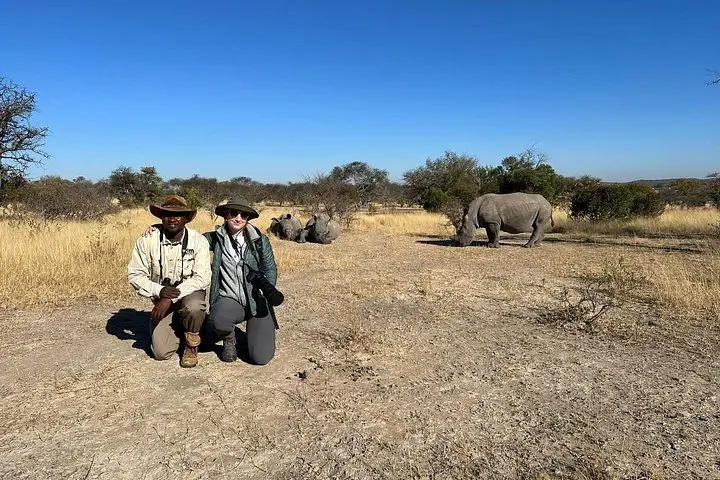
Walk with park rangers across granite kopjes to track white rhinos on foot, study spoor and visit San rock paintings. This 5‑hour guided experience combines up‑close wildlife viewing with local history and practical tracking skills.
Walk with park rangers across granite kopjes to track white rhinos on foot, study spoor and visit San rock paintings. This 5‑hour guided experience combines up‑close wildlife viewing with local history and practical tracking skills.
At first light the granite kopjes of Matobo catch a thin, pale gold—rock faces warm as you set off with a ranger and guide.
Verified experiences and guided adventures in the surrounding area.
Operated by Bushmen Travel Company · Bulawayo, Matabeleland South
At first light the granite kopjes of Matobo catch a thin, pale gold—rock faces warm as you set off with a ranger and guide.
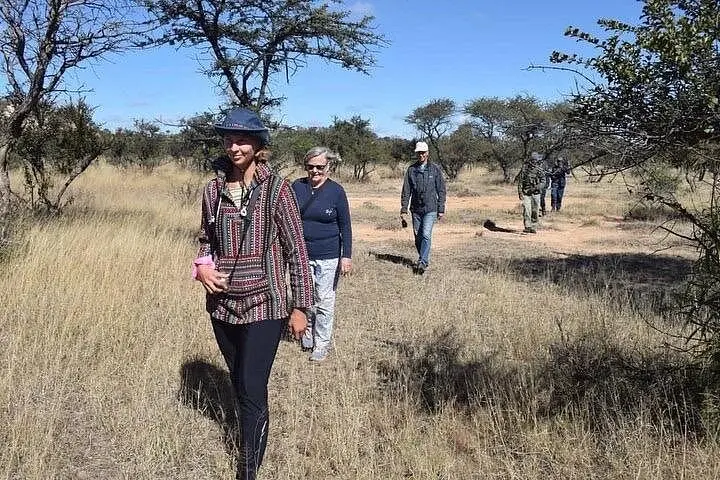
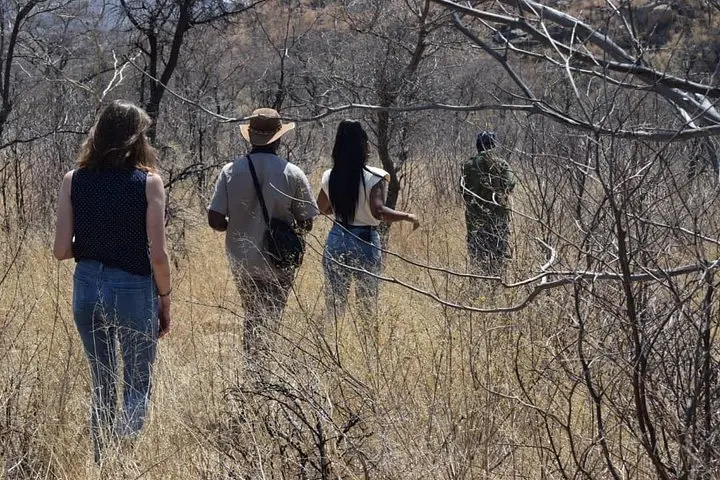
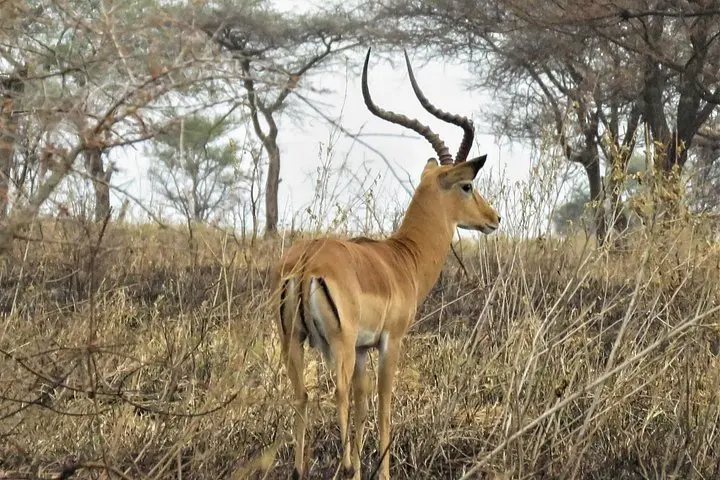
The walk threads between low, rounded domes and acacia scrub; granite slabs make sudden rises and shallow gullies where spoor collects. Guides teach you to read tracks and wind, and the bush itself seems to test your attention—birds call, termites hum, and the scent of crushed grass follows each step.
Matobo’s landscape is both geological and human history: rounded granite inselbergs carved by ancient weathering, and rock shelters bearing San (Bushmen) paintings that record hunting and ritual. The park’s granite hills channel water into seasonal pans that sustain wildlife, and the rangers you meet are guardians of both rhino and culture.
Practically, expect a guided, 5-hour experience with several kilometers of walking over uneven, often rocky terrain. White rhino tracking is close and deliberate—rangers position the group relative to wind and the animals’ behavior to minimize disturbance. Wear closed-toe hiking shoes, neutral clothing, a wide-brim hat and bring at least 1–2 liters of water, sun protection and insect repellent. Cameras are welcome but follow guide instructions; keep voices low and movements slow.
Timing matters: cooler morning walks let you move steadily before afternoon heat; late-day sundowners are a calm way to close the loop and watch shadows lengthen across the kopjes. The trip pairs wildlife observation, basic tracking skills and cultural context—an active, sensory way to learn why Matobo’s rhinos and rock art are protected treasures.
Guides and rangers manage approach distances based on animal behavior; encounters are close but controlled to ensure safety for both guests and rhinos.
Children are allowed but must be supervised; infants are required to sit on an adult’s lap and the ranger will assess ability to remain quiet and follow instructions.
Pick up and drop off are listed as included—confirm your pickup point during booking and provide flight details if requesting airport transfers.
Neutral-colored, close-fitting clothing, closed-toe shoes, a hat and layers for changing temperatures; avoid bright colors and strong fragrances.
Bushmen Travel Company operates guided outdoor trips and adventures with an emphasis on safety, stewardship, and memorable experiences.
At first light the granite kopjes of Matobo catch a thin, pale gold—rock faces warm as you set off with a ranger and guide.
At first light the granite kopjes of Matobo catch a thin, pale gold—rock faces warm as you set off with a ranger and guide.
The walk threads between low, rounded domes and acacia scrub; granite slabs make sudden rises and shallow gullies where spoor collects. Guides teach you to read tracks and wind, and the bush itself seems to test your attention—birds call, termites hum, and the scent of crushed grass follows each step.
Matobo’s landscape is both geological and human history: rounded granite inselbergs carved by ancient weathering, and rock shelters bearing San (Bushmen) paintings that record hunting and ritual. The park’s granite hills channel water into seasonal pans that sustain wildlife, and the rangers you meet are guardians of both rhino and culture.
Practically, expect a guided, 5-hour experience with several kilometers of walking over uneven, often rocky terrain. White rhino tracking is close and deliberate—rangers position the group relative to wind and the animals’ behavior to minimize disturbance. Wear closed-toe hiking shoes, neutral clothing, a wide-brim hat and bring at least 1–2 liters of water, sun protection and insect repellent. Cameras are welcome but follow guide instructions; keep voices low and movements slow.
Timing matters: cooler morning walks let you move steadily before afternoon heat; late-day sundowners are a calm way to close the loop and watch shadows lengthen across the kopjes. The trip pairs wildlife observation, basic tracking skills and cultural context—an active, sensory way to learn why Matobo’s rhinos and rock art are protected treasures.