THE ADVENTURE COLLECTIVE® · Independent discovery and booking for outdoor travel

Cycle through Matsubara's historic lanes to Abo Shrine, then savor a tour-exclusive Kawachi duck lunch. This easy half-day tour blends local history, shrine visits, and regional cuisine within a relaxed urban-rural ride.
Cycle through Matsubara's historic lanes to Abo Shrine, then savor a tour-exclusive Kawachi duck lunch. This easy half-day tour blends local history, shrine visits, and regional cuisine within a relaxed urban-rural ride.
You roll out from a quiet meeting spot and the city gives way to narrow lanes, low rice paddies and small shrines tucked between two-story houses. The bicycle hums beneath you; sunlight slips through plane trees and the air carries the faint, savory promise of roasting duck that will define the day.
Verified experiences and guided adventures in the surrounding area.
Operated by LINKTIVITY Inc. · Matsubara, Osaka Prefecture
You roll out from a quiet meeting spot and the city gives way to narrow lanes, low rice paddies and small shrines tucked between two-story houses. The bicycle hums beneath you; sunlight slips through plane trees and the air carries the faint, savory promise of roasting duck that will define the day.
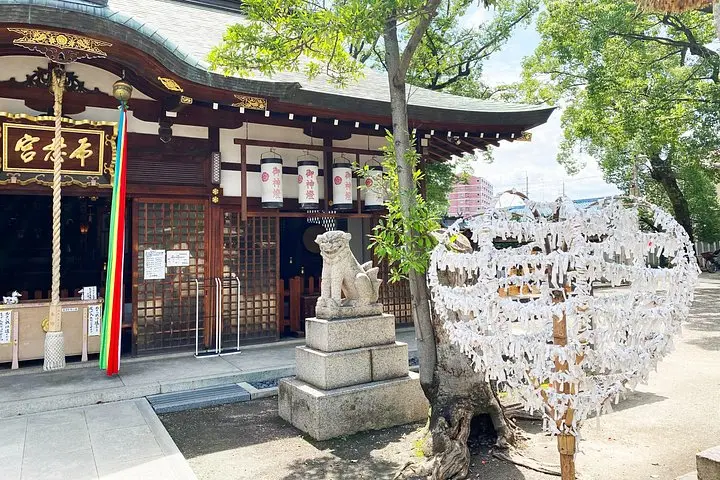
Matsubara sits on the southern edge of the Osaka Plain, a place shaped by rivers and reclaimed fields where communities prospered since ancient times. Abo Shrine, one highlight on the route, has served local religious life for centuries and draws people seeking relationship blessings. Geologically the area is mostly flat alluvium, so the ride is steady rather than steep, with short urban climbs over older roadways.
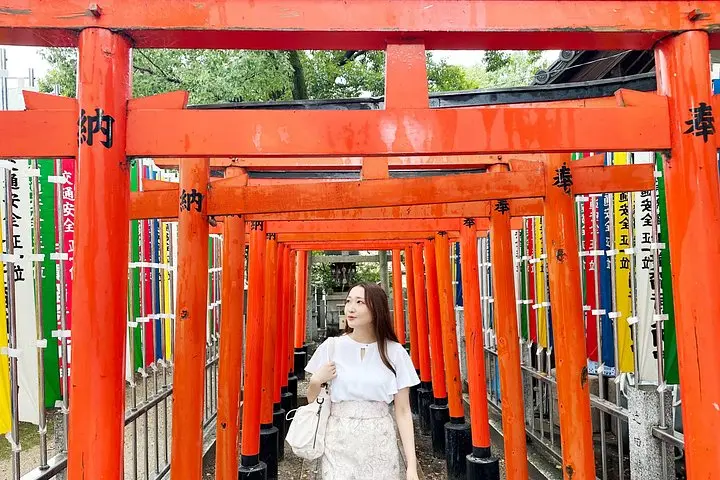
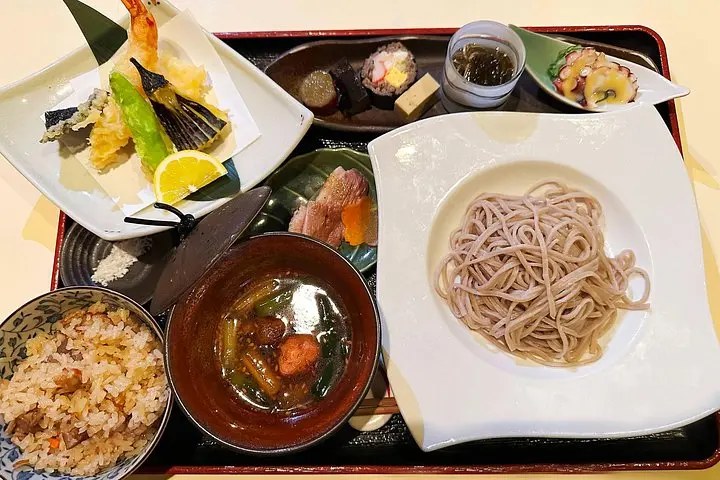
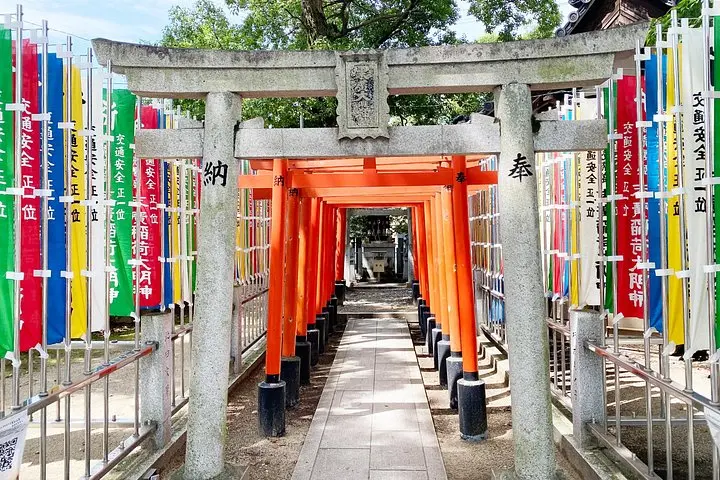
Culturally the tour mixes ritual and regional foodways: stop at shrines where small wooden plaques and paper fortunes record private wishes, then settle into Nagomi for Kawachi duck, a local Aigamo prized for firm, flavorful meat that even reached the G20 summit menus. That farm-to-table link is part of Matsubara’s modern identity.
Practical guidance: expect about 2–3 hours with several short stops and roughly 8–12 km of mostly paved, low-traffic streets. Wear closed shoes and a helmet, bring water and a light layer for coastal winds. Respect shrine etiquette — bow at the torii, speak softly, and avoid photography where signs forbid it. The tour is suitable for riders comfortable on a city bike; heavy rain commonly triggers cancellation, so check weather and transport options back to central Osaka. When you pedal here, the landscape feels conversational — streets inviting you on, fields nudging you toward the next shrine and the lunch table.
The tour runs about 2–3 hours total with roughly 8–12 km of riding; the terrain is mostly flat with minor urban rises.
The included lunch features Kawachi duck; notify the operator in advance about allergies or dietary needs so alternatives can be arranged where possible.
Guides are typically English-speaking or bilingual depending on booking; confirm language preference at reservation.
Matsubara is a short train ride from downtown Osaka; public transit options are available and the operator will provide meeting directions upon booking.
LINKTIVITY Inc. operates guided outdoor trips and adventures with an emphasis on safety, stewardship, and memorable experiences.
You roll out from a quiet meeting spot and the city gives way to narrow lanes, low rice paddies and small shrines tucked between two-story houses. The bicycle hums beneath you; sunlight slips through plane trees and the air carries the faint, savory promise of roasting duck that will define the day.
You roll out from a quiet meeting spot and the city gives way to narrow lanes, low rice paddies and small shrines tucked between two-story houses. The bicycle hums beneath you; sunlight slips through plane trees and the air carries the faint, savory promise of roasting duck that will define the day.
Matsubara sits on the southern edge of the Osaka Plain, a place shaped by rivers and reclaimed fields where communities prospered since ancient times. Abo Shrine, one highlight on the route, has served local religious life for centuries and draws people seeking relationship blessings. Geologically the area is mostly flat alluvium, so the ride is steady rather than steep, with short urban climbs over older roadways.
Culturally the tour mixes ritual and regional foodways: stop at shrines where small wooden plaques and paper fortunes record private wishes, then settle into Nagomi for Kawachi duck, a local Aigamo prized for firm, flavorful meat that even reached the G20 summit menus. That farm-to-table link is part of Matsubara’s modern identity.
Practical guidance: expect about 2–3 hours with several short stops and roughly 8–12 km of mostly paved, low-traffic streets. Wear closed shoes and a helmet, bring water and a light layer for coastal winds. Respect shrine etiquette — bow at the torii, speak softly, and avoid photography where signs forbid it. The tour is suitable for riders comfortable on a city bike; heavy rain commonly triggers cancellation, so check weather and transport options back to central Osaka. When you pedal here, the landscape feels conversational — streets inviting you on, fields nudging you toward the next shrine and the lunch table.